THE ADVENTURE COLLECTIVE® · Independent discovery and booking for outdoor travel

Walk from bamboo groves to the 13.35 m Great Buddha on a private Kamakura tour that mixes short mountain passes, seaside views, and centuries of temple ritual. Good for travelers who can handle 5 km of walking and want cultural depth with nature views.
Walk from bamboo groves to the 13.35 m Great Buddha on a private Kamakura tour that mixes short mountain passes, seaside views, and centuries of temple ritual. Good for travelers who can handle 5 km of walking and want cultural depth with nature views.
You step off the train into a city where the sea and mountains keep watch: cicadas call from the pines, gulls wheel over a blue-silver bay, and a bronze giant waits beneath the open sky. This private Kamakura walking tour threads narrow lanes, bamboo groves, and seaside promenades, moving from quiet Zen courtyards to the 13.35 m Daibutsu that has eyed the surf since 1252.
Verified experiences and guided adventures in the surrounding area.
Operated by Trip Designer Inc. · Kamakura, Kanagawa
You step off the train into a city where the sea and mountains keep watch: cicadas call from the pines, gulls wheel over a blue-silver bay, and a bronze giant waits beneath the open sky. This private Kamakura walking tour threads narrow lanes, bamboo groves, and seaside promenades, moving from quiet Zen courtyards to the 13.35 m Daibutsu that has eyed the surf since 1252.
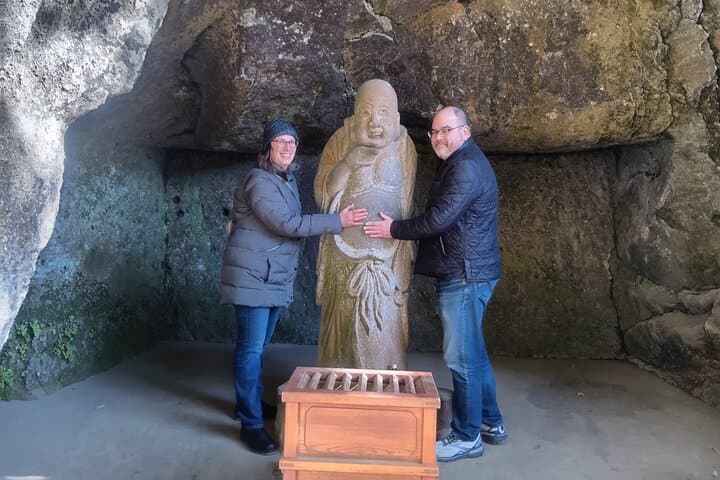
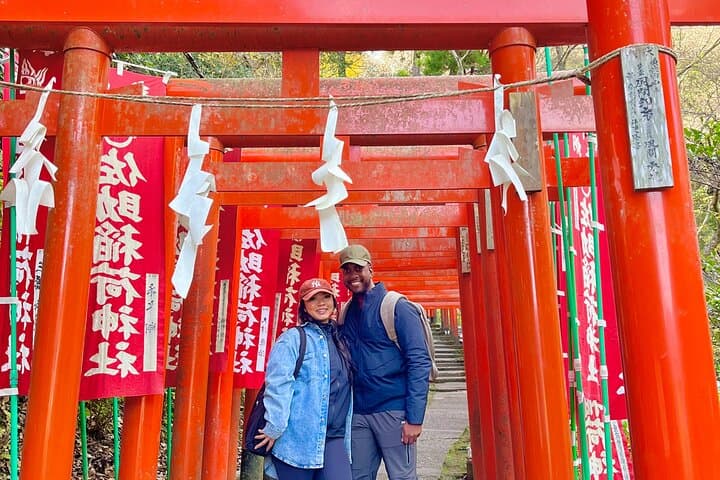
Kamakura was Japan’s first military capital under the Kamakura Shogunate (late 12th–14th centuries), and the town’s temples reflect that fusion of samurai power and religious life. Geologically, the city sits on uplifted coastal terraces with wooded ridges that form short, sharp hiking courses; the Daibutsu Hiking Course crosses one such pass and drops you into a torii-framed cave shrine where locals still wash coins for luck.
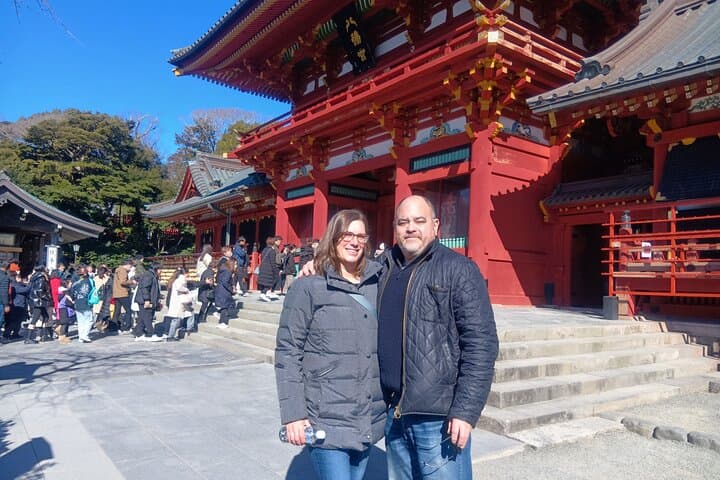
Expect cultural textures: stone lanterns worn by hands over centuries, chanting from temple halls, and seasonal hydrangea banks at Hasedera. The guide’s role is practical—explaining rituals, opening the right gates, and pointing out viewpoints—so you spend time experiencing rather than navigating.
Practical guidance: the itinerary covers roughly 5 km including a mountain pass and many steps; plan five hours. Wear supportive walking shoes, bring cash for small shrine offerings, and a refillable water bottle. Start early to avoid crowds at the Great Buddha and Hasedera viewpoints, and allow extra time if you want to linger on Yuigahama Beach. Public transit connects easily from Kamakura Station, and hotel pickup is available at an extra fee. Respect shrine etiquette, stay on marked paths, and carry a light rain layer—coastal weather can change fast.
moderate.
5 hours.
Moderate level of fitness; able to walk 5 km including uneven paths and stairs.
The tour covers about 5 km and includes a mountain pass with short steep sections and many temple steps; expect uneven terrain and stair climbing.
Entrance fees for Kotoku-in (Great Buddha), Hasedera, and Jochiji are included in the tour price per the listing.
Yes, pickup can be arranged for an additional fee (about 8000 yen per person) payable in cash—confirm at booking.
A minimum of two people is required; full refunds are available if you cancel at least 24 hours before departure.
Kamakura served as Japan’s first samurai capital under Minamoto leadership in the late 12th century; many temples date to the Hojo regents who shaped the city’s religious landscape.
Temples and trails are protected cultural and natural sites—stay on paths, avoid loud noise, and leave no offerings other than small cash donations where appropriate.
Trip Designer Inc. operates guided outdoor trips and adventures with an emphasis on safety, stewardship, and memorable experiences.
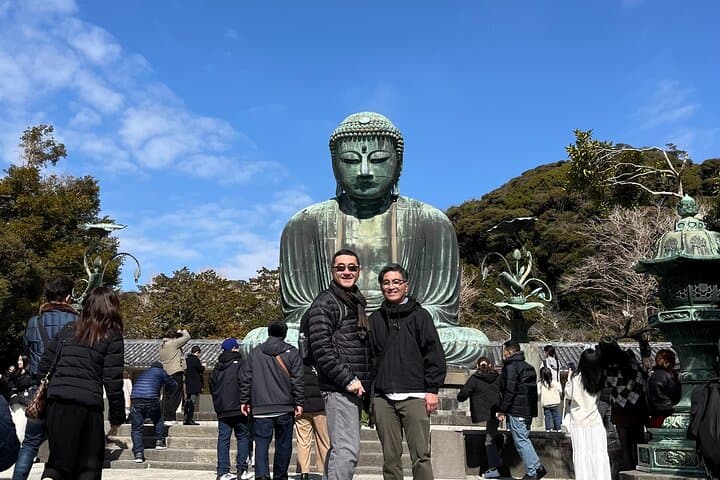
You step off the train into a city where the sea and mountains keep watch: cicadas call from the pines, gulls wheel over a blue-silver bay, and a bronze giant waits beneath the open sky. This private Kamakura walking tour threads narrow lanes, bamboo groves, and seaside promenades, moving from quiet Zen courtyards to the 13.35 m Daibutsu that has eyed the surf since 1252.
You step off the train into a city where the sea and mountains keep watch: cicadas call from the pines, gulls wheel over a blue-silver bay, and a bronze giant waits beneath the open sky. This private Kamakura walking tour threads narrow lanes, bamboo groves, and seaside promenades, moving from quiet Zen courtyards to the 13.35 m Daibutsu that has eyed the surf since 1252.
Kamakura was Japan’s first military capital under the Kamakura Shogunate (late 12th–14th centuries), and the town’s temples reflect that fusion of samurai power and religious life. Geologically, the city sits on uplifted coastal terraces with wooded ridges that form short, sharp hiking courses; the Daibutsu Hiking Course crosses one such pass and drops you into a torii-framed cave shrine where locals still wash coins for luck.
Expect cultural textures: stone lanterns worn by hands over centuries, chanting from temple halls, and seasonal hydrangea banks at Hasedera. The guide’s role is practical—explaining rituals, opening the right gates, and pointing out viewpoints—so you spend time experiencing rather than navigating.
Practical guidance: the itinerary covers roughly 5 km including a mountain pass and many steps; plan five hours. Wear supportive walking shoes, bring cash for small shrine offerings, and a refillable water bottle. Start early to avoid crowds at the Great Buddha and Hasedera viewpoints, and allow extra time if you want to linger on Yuigahama Beach. Public transit connects easily from Kamakura Station, and hotel pickup is available at an extra fee. Respect shrine etiquette, stay on marked paths, and carry a light rain layer—coastal weather can change fast.