THE ADVENTURE COLLECTIVE® · Independent discovery and booking for outdoor travel

A private walking tour that pairs local history with a professional portrait session: follow a photographer-guide from Tsurugaoka Hachimangu to the Great Buddha and Hase-dera, and receive 30+ edited images. Expect 4–6 hours of easy walking, cultural insights, and seaside views.
A private walking tour that pairs local history with a professional portrait session: follow a photographer-guide from Tsurugaoka Hachimangu to the Great Buddha and Hase-dera, and receive 30+ edited images. Expect 4–6 hours of easy walking, cultural insights, and seaside views.
Stand at the east exit of Kamakura Station and the town opens like a well-composed photograph: a promenade of cherry trees leads toward Tsurugaoka Hachimangu, where vermilion gates and quiet ponds frame each shot.
Verified experiences and guided adventures in the surrounding area.
Operated by Photo Star · Kamakura, Kanagawa
Stand at the east exit of Kamakura Station and the town opens like a well-composed photograph: a promenade of cherry trees leads toward Tsurugaoka Hachimangu, where vermilion gates and quiet ponds frame each shot.
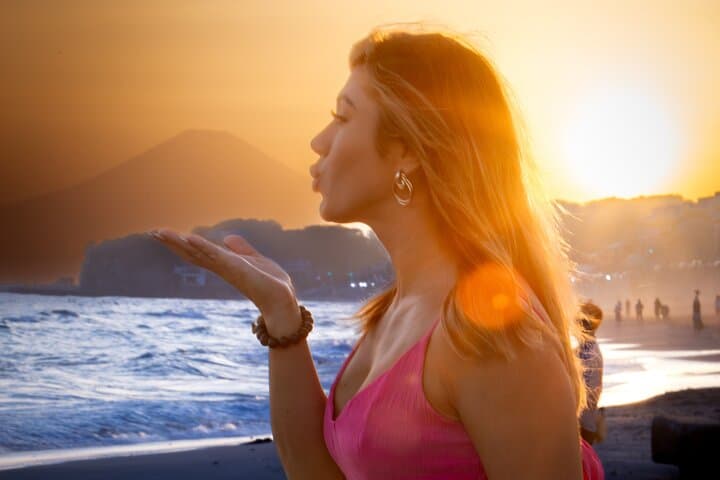
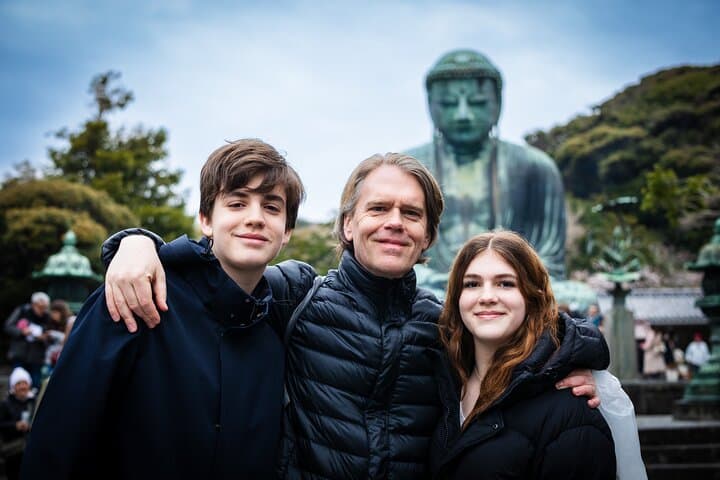
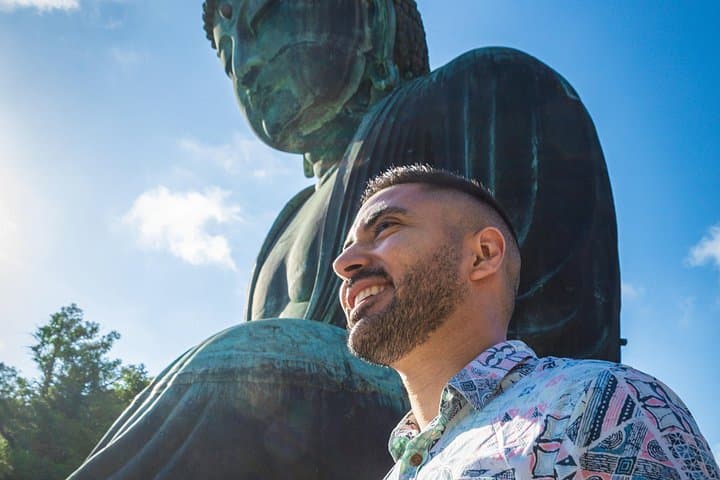
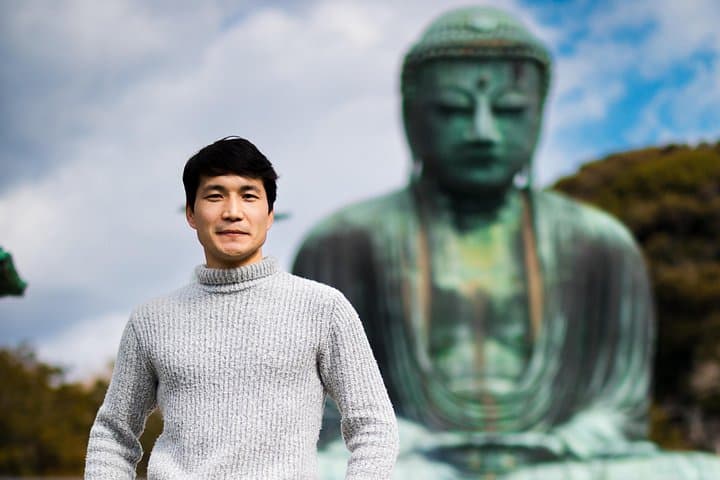
The walk from station to shrine is gentle—15 minutes along paved avenues—then the route moves toward the bronze Daibutsu at Kotoku-in, a 13th‑century statue that has watched the coast through earthquakes and tidal surges since 1252. The Great Buddha’s patina and hollow posture make it an arresting subject; nearby Hase-dera offers terraced gardens and a lookout that lets the Sagami Sea stretch and breathe into the frame. The region’s geology—low coastal terraces of reclaimed seabed and Holocene sediments—gives the area its shallow bays and short, steep creek valleys.
Kamakura’s history as the seat of the first shogunate (late 12th century) is visible in temple layouts and samurai-era stories your guide will recount. Local culture blends Shinto and Buddhist practices; modest dress and quiet behavior are expected at shrines.
Practical guidance: plan for a 4–6 hour private walking tour, bring comfortable shoes for mixed pavement and temple steps, and keep a small amount of cash for shrine donations and street snacks. Aim for golden hour for richer light and fewer crowds; the photographer-guide will deliver 30+ edited images digitally within 72 hours. Hydrate, protect gear from sudden coastal breezes, and respect worship spaces—good photos come with patience and a steady pair of feet.
easy.
4–6 hours.
Suitable for most fitness levels; participants should be able to walk several miles over mostly flat streets with temple steps.
Meet at Kamakura Station East Exit; the guide will be waiting and the first walk to Tsurugaoka Hachimangu is about 15 minutes.
This tour visits the sites and includes photography services; standard admission fees for sites that require them are typically paid by participants.
Yes. The photographer-guide welcomes requests and will advise on poses, framing, and local backdrops to match your preferred style.
You’ll receive 30+ professionally edited digital images delivered within 72 hours after the tour.
Kamakura served as the political center for Japan’s first shogunate from the late 12th century; the Great Buddha dates to the mid-13th century and survived multiple coastal storms after its hall was swept away.
Temples and local groups encourage low-impact visitation—stay on marked paths, avoid flash photography during rituals, and take litter with you to protect shrine gardens and coastal habitats.
Photo Star operates guided outdoor trips and adventures with an emphasis on safety, stewardship, and memorable experiences.
Stand at the east exit of Kamakura Station and the town opens like a well-composed photograph: a promenade of cherry trees leads toward Tsurugaoka Hachimangu, where vermilion gates and quiet ponds frame each shot.
Stand at the east exit of Kamakura Station and the town opens like a well-composed photograph: a promenade of cherry trees leads toward Tsurugaoka Hachimangu, where vermilion gates and quiet ponds frame each shot.
The walk from station to shrine is gentle—15 minutes along paved avenues—then the route moves toward the bronze Daibutsu at Kotoku-in, a 13th‑century statue that has watched the coast through earthquakes and tidal surges since 1252. The Great Buddha’s patina and hollow posture make it an arresting subject; nearby Hase-dera offers terraced gardens and a lookout that lets the Sagami Sea stretch and breathe into the frame. The region’s geology—low coastal terraces of reclaimed seabed and Holocene sediments—gives the area its shallow bays and short, steep creek valleys.
Kamakura’s history as the seat of the first shogunate (late 12th century) is visible in temple layouts and samurai-era stories your guide will recount. Local culture blends Shinto and Buddhist practices; modest dress and quiet behavior are expected at shrines.
Practical guidance: plan for a 4–6 hour private walking tour, bring comfortable shoes for mixed pavement and temple steps, and keep a small amount of cash for shrine donations and street snacks. Aim for golden hour for richer light and fewer crowds; the photographer-guide will deliver 30+ edited images digitally within 72 hours. Hydrate, protect gear from sudden coastal breezes, and respect worship spaces—good photos come with patience and a steady pair of feet.