THE ADVENTURE COLLECTIVE® · Independent discovery and booking for outdoor travel

Walk Kamakura’s historic lanes in a private, bilingual tour that blends samurai-era history, temple gardens, and coastal views. Customize your day—history, food, or pop culture—while a local guide handles logistics.
Walk Kamakura’s historic lanes in a private, bilingual tour that blends samurai-era history, temple gardens, and coastal views. Customize your day—history, food, or pop culture—while a local guide handles logistics.
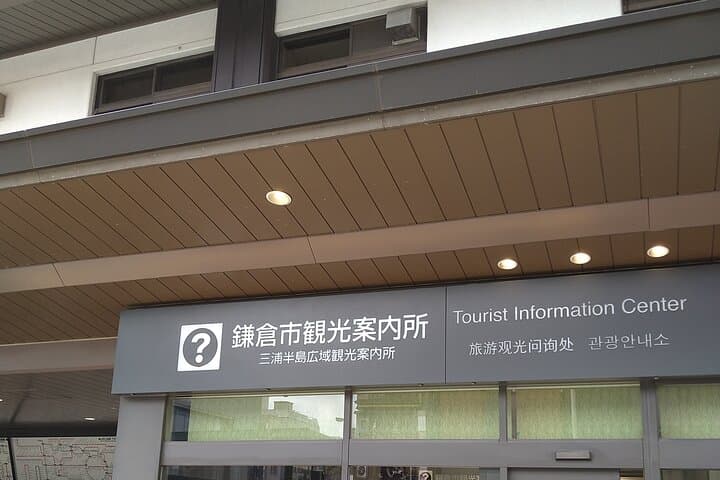
A morning in Kamakura begins with the soft collision of sea air and tiled roofs as you step off the station and onto stone-paved streets that remember samurai footsteps. The guide leads the group down Komachi-dori’s lively alleyways where vendors call out seasonal flavors, then into the silence of Tsurugaoka Hachimangu’s broad approach, where cedar trunks seem to lean in and listen.
Verified experiences and guided adventures in the surrounding area.
Operated by TJT Tour · Kamakura, Kanagawa
A morning in Kamakura begins with the soft collision of sea air and tiled roofs as you step off the station and onto stone-paved streets that remember samurai footsteps. The guide leads the group down Komachi-dori’s lively alleyways where vendors call out seasonal flavors, then into the silence of Tsurugaoka Hachimangu’s broad approach, where cedar trunks seem to lean in and listen.
This one-day private walking tour threads through Kamakura’s layered history: the rise of the Kamakura shogunate in the 12th century, coastal trade that shaped its economy, and temples whose gardens reflect periods of Zen and Pure Land influence. Geology here is simple but present — low, weathered hills that slope toward Sagami Bay, carved paths that funnel rainfall into mossy temple gullies and pebble beaches.
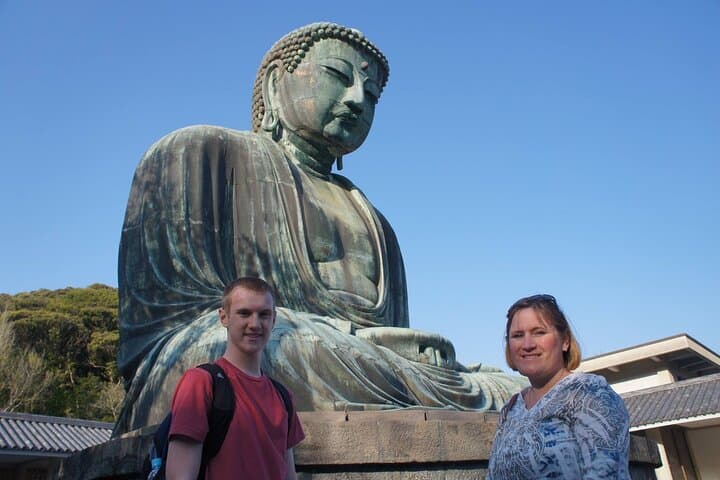
Expect cultural touchpoints at Hase-dera with its seasonal blooms and panoramic views, Meigetsu-in’s bamboo that cools the air like a held breath, and the Daibutsu — a 13th-century bronze Amida Buddha that still watches the sky. Local life is intimate: fishermen mending nets, tea shops serving matcha and sweetened bean cakes, and cyclists threading narrow lanes.
Practical guidance: the route covers several kilometers over mixed pavement and temple steps — moderate fitness and sturdy walking shoes recommended. Bring water, sun protection, and a light rain layer; many temples require modest dress. A bilingual private guide customizes pacing and admissions (note: transport and some admission fees are extra). For travelers who want history, food, or anime stops, the itinerary bends to those interests while keeping the walk readable and human-paced.
moderate.
6 hours.
Moderate: comfortable walking for several hours, able to climb multiple flights of steps.
Transport and most admission fees are not included; the operator notes an estimated additional ¥2,500 for typical group admissions and local transit.
Private groups up to six people are accommodated with a bilingual English/Japanese guide.
Families and active seniors can join if able to walk several kilometers and handle stairways; not recommended for those with serious spinal or cardiovascular issues.
Yes — guides tailor the day to interests like history, food, or anime-related sites when requested during booking.
Kamakura was the seat of Japan’s first shogunate in the late 12th century; many surviving temples and the Daibutsu date from the Kamakura period.
Temples manage foot traffic and encourage respectful photography; visitors should stay on paths, avoid single-use plastics, and follow shrine rules to reduce wear on historic sites.
TJT Tour operates guided outdoor trips and adventures with an emphasis on safety, stewardship, and memorable experiences.
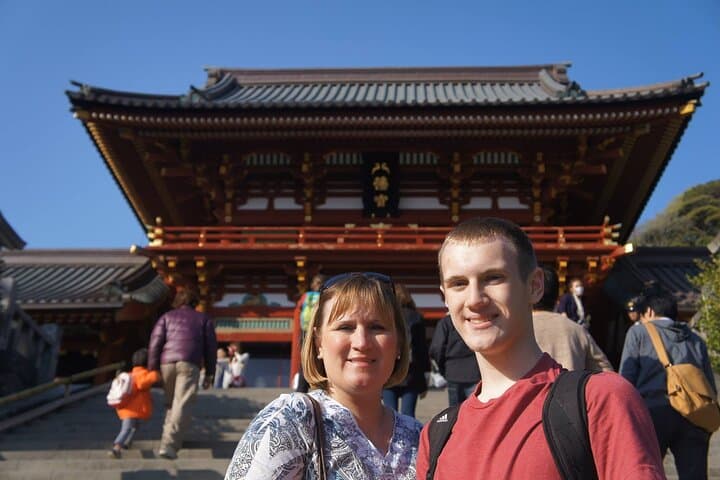
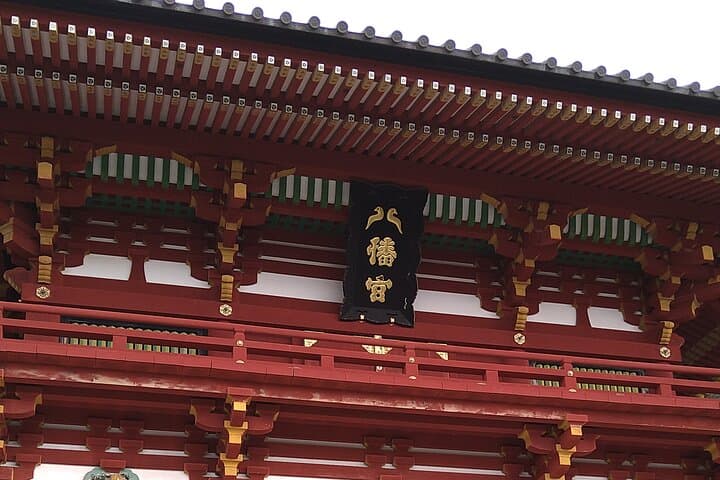
A morning in Kamakura begins with the soft collision of sea air and tiled roofs as you step off the station and onto stone-paved streets that remember samurai footsteps. The guide leads the group down Komachi-dori’s lively alleyways where vendors call out seasonal flavors, then into the silence of Tsurugaoka Hachimangu’s broad approach, where cedar trunks seem to lean in and listen.
A morning in Kamakura begins with the soft collision of sea air and tiled roofs as you step off the station and onto stone-paved streets that remember samurai footsteps. The guide leads the group down Komachi-dori’s lively alleyways where vendors call out seasonal flavors, then into the silence of Tsurugaoka Hachimangu’s broad approach, where cedar trunks seem to lean in and listen.
This one-day private walking tour threads through Kamakura’s layered history: the rise of the Kamakura shogunate in the 12th century, coastal trade that shaped its economy, and temples whose gardens reflect periods of Zen and Pure Land influence. Geology here is simple but present — low, weathered hills that slope toward Sagami Bay, carved paths that funnel rainfall into mossy temple gullies and pebble beaches.
Expect cultural touchpoints at Hase-dera with its seasonal blooms and panoramic views, Meigetsu-in’s bamboo that cools the air like a held breath, and the Daibutsu — a 13th-century bronze Amida Buddha that still watches the sky. Local life is intimate: fishermen mending nets, tea shops serving matcha and sweetened bean cakes, and cyclists threading narrow lanes.
Practical guidance: the route covers several kilometers over mixed pavement and temple steps — moderate fitness and sturdy walking shoes recommended. Bring water, sun protection, and a light rain layer; many temples require modest dress. A bilingual private guide customizes pacing and admissions (note: transport and some admission fees are extra). For travelers who want history, food, or anime stops, the itinerary bends to those interests while keeping the walk readable and human-paced.