THE ADVENTURE COLLECTIVE® · Independent discovery and booking for outdoor travel

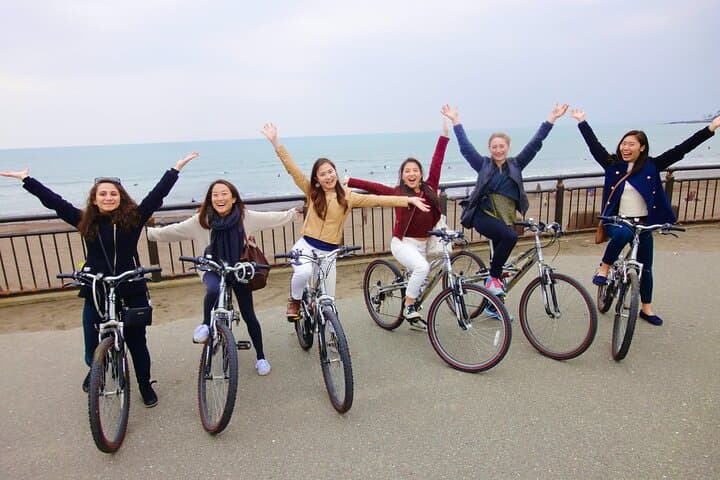
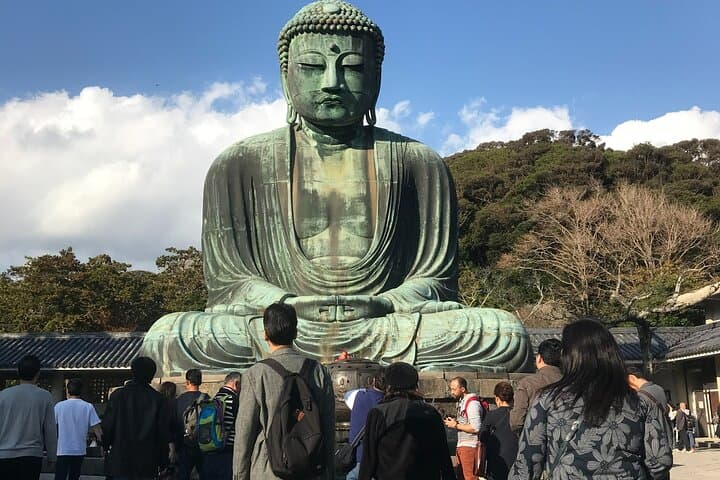
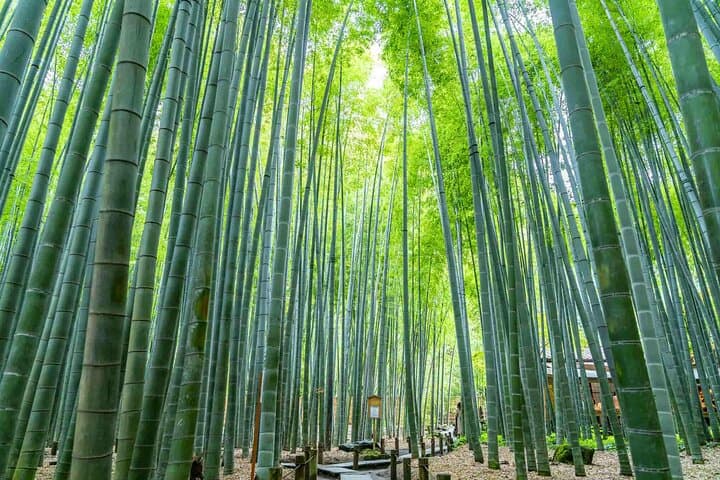
Explore Kamakura with a former rickshaw guide on a private 3–4 hour bike or walk tour. Visit the Great Buddha, Hase Temple, Hokokuji bamboo grove and coastal viewpoints while learning samurai-era history and local stories.
Explore Kamakura with a former rickshaw guide on a private 3–4 hour bike or walk tour. Visit the Great Buddha, Hase Temple, Hokokuji bamboo grove and coastal viewpoints while learning samurai-era history and local stories.
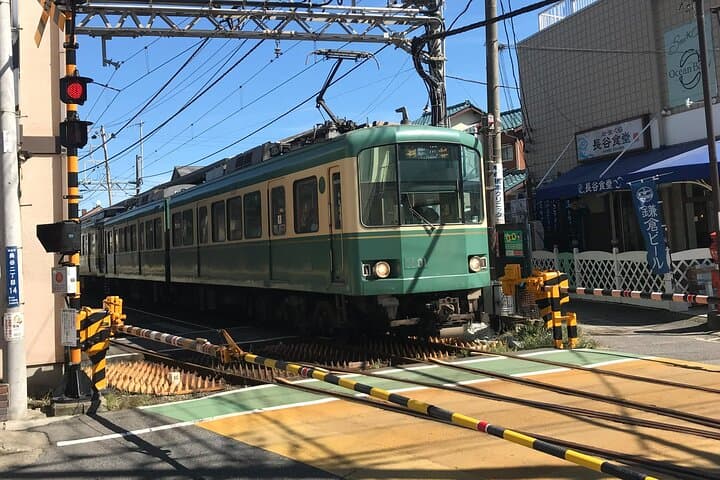
You step off the train and the ocean-scented air draws you down a tree-lined street toward a bronze silhouette against the sky — the Great Buddha. On this private Kamakura heritage tour you follow a former rickshaw driver who knows the alleys and shrine paths like the spine of a map, guiding at a conversational pace whether you choose pedals or soles.
Verified experiences and guided adventures in the surrounding area.
Operated by Ichi · Kamakura, Kanagawa
You step off the train and the ocean-scented air draws you down a tree-lined street toward a bronze silhouette against the sky — the Great Buddha. On this private Kamakura heritage tour you follow a former rickshaw driver who knows the alleys and shrine paths like the spine of a map, guiding at a conversational pace whether you choose pedals or soles.
Kamakura was Japan’s political center in the 12th–14th centuries; its temples and shrines reflect samurai-era patronage and coastal geology carved from Miocene sandstone and marine terraces. Your guide pauses at Tsurugaoka Hachimangu to explain samurai rites, at Hase for coastal views and Kannon’s wooden statue, and in Hokokuji’s bamboo grove where matcha is still sipped quietly in a small teahouse. Streets hum with local shops selling sweetened rice crackers and incense.
Expect 3–4 hours of mixed walking and easy cycling on paved roads, temple grounds and short stair sections. The pace is flexible: swap bike for walk anytime within the tour window. Bring a compact camera—your guide will take photos—and be prepared for temple entry fees at certain sites. Water, sun protection, and comfortable shoes make the day more enjoyable; a light rain jacket is prudent in shoulder seasons.
Practicalities: meeting points are near Kamakura Station, public transport is abundant from Tokyo and Yokohama, and children under 13 aren’t recommended for the bike option due to standard adult-sized equipment. This is a low-impact way to encounter Japan’s medieval capital with local storytelling woven into each stop.
easy.
3–4 hours.
Suitable for most walkers; basic cycling ability required if choosing the bike option, comfortable on mixed urban terrain.
You can choose when booking but the guide allows switching modes during the tour if logistics permit; note that children under 13 are not recommended for the bike option.
Most tours meet near Kamakura Station; it’s a 50–60 minute train ride from central Tokyo (via JR lines) and well connected to Yokohama.
Some temple fees (Great Buddha, Hokokuji) are not included and should be paid on-site; bring small bills or coins.
Many temple grounds have stairs and uneven surfaces; the walking option may be limited for wheelchairs and strollers—confirm accessibility needs when booking.
Kamakura served as Japan’s de facto capital under the Minamoto shogunate (12th–14th centuries), and many temples date to that era or were rebuilt soon after, reflecting samurai patronage and Buddhist influence.
Temples and coastal areas balance preservation with tourism—stay on designated paths, avoid climbing on ruins, and follow local rules for shrine etiquette to minimize impact.
Ichi operates guided outdoor trips and adventures with an emphasis on safety, stewardship, and memorable experiences.
You step off the train and the ocean-scented air draws you down a tree-lined street toward a bronze silhouette against the sky — the Great Buddha. On this private Kamakura heritage tour you follow a former rickshaw driver who knows the alleys and shrine paths like the spine of a map, guiding at a conversational pace whether you choose pedals or soles.
You step off the train and the ocean-scented air draws you down a tree-lined street toward a bronze silhouette against the sky — the Great Buddha. On this private Kamakura heritage tour you follow a former rickshaw driver who knows the alleys and shrine paths like the spine of a map, guiding at a conversational pace whether you choose pedals or soles.
Kamakura was Japan’s political center in the 12th–14th centuries; its temples and shrines reflect samurai-era patronage and coastal geology carved from Miocene sandstone and marine terraces. Your guide pauses at Tsurugaoka Hachimangu to explain samurai rites, at Hase for coastal views and Kannon’s wooden statue, and in Hokokuji’s bamboo grove where matcha is still sipped quietly in a small teahouse. Streets hum with local shops selling sweetened rice crackers and incense.
Expect 3–4 hours of mixed walking and easy cycling on paved roads, temple grounds and short stair sections. The pace is flexible: swap bike for walk anytime within the tour window. Bring a compact camera—your guide will take photos—and be prepared for temple entry fees at certain sites. Water, sun protection, and comfortable shoes make the day more enjoyable; a light rain jacket is prudent in shoulder seasons.
Practicalities: meeting points are near Kamakura Station, public transport is abundant from Tokyo and Yokohama, and children under 13 aren’t recommended for the bike option due to standard adult-sized equipment. This is a low-impact way to encounter Japan’s medieval capital with local storytelling woven into each stop.