THE ADVENTURE COLLECTIVE® · Independent discovery and booking for outdoor travel

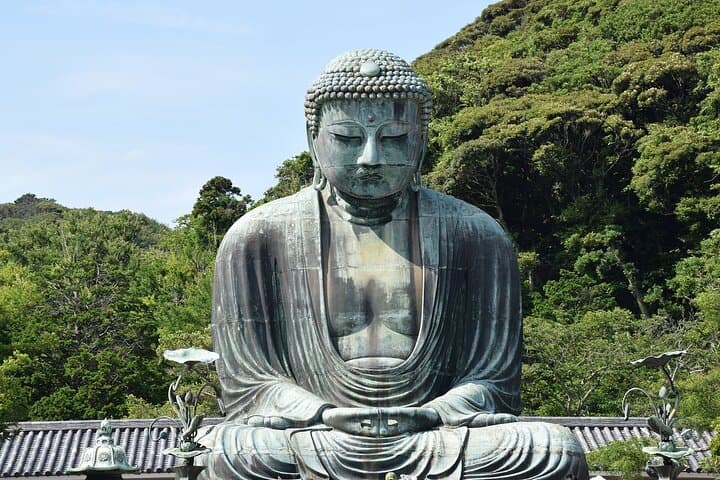
Explore Kamakura’s iconic temples and hidden alleys with a local guide on this four-hour walking tour. Expect short climbs, cultural insights, and stops at the Great Buddha, Tsurugaoka Hachimangu, Zeniarai Benten and Meigetsuin.
Explore Kamakura’s iconic temples and hidden alleys with a local guide on this four-hour walking tour. Expect short climbs, cultural insights, and stops at the Great Buddha, Tsurugaoka Hachimangu, Zeniarai Benten and Meigetsuin.
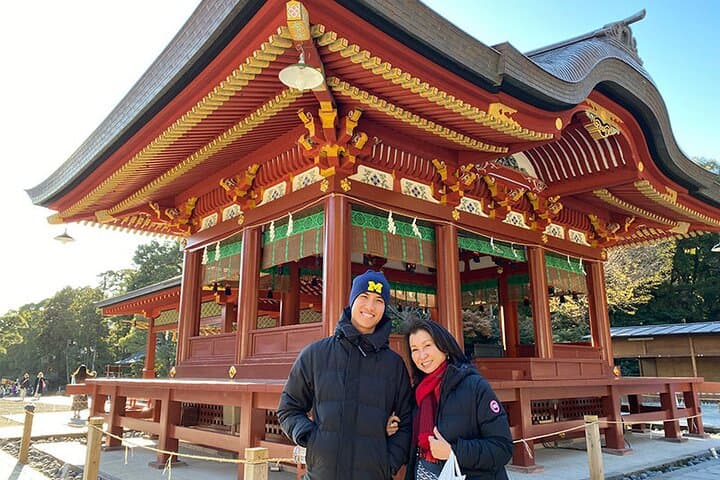
The morning light in Kamakura catches the bronze of the Great Buddha and the red torii of Tsurugaoka Hachimangu with equal clarity; a street vendor flips taiyaki while cicadas and city sounds form a steady hum. On this four-hour circuit a local expert leads you from the station into narrow alleys, through temple gates, and up a short, wooded ridge where the city opens toward Sagami Bay.
Verified experiences and guided adventures in the surrounding area.
Operated by JewelTours.Japan · Kamakura, Kanagawa
The morning light in Kamakura catches the bronze of the Great Buddha and the red torii of Tsurugaoka Hachimangu with equal clarity; a street vendor flips taiyaki while cicadas and city sounds form a steady hum. On this four-hour circuit a local expert leads you from the station into narrow alleys, through temple gates, and up a short, wooded ridge where the city opens toward Sagami Bay.
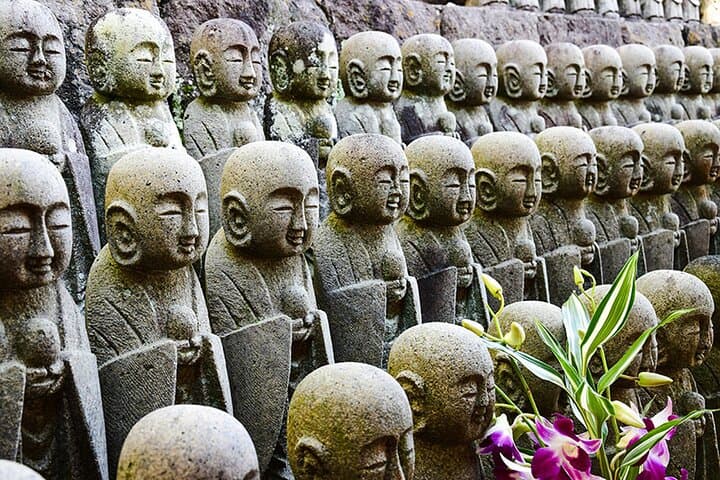
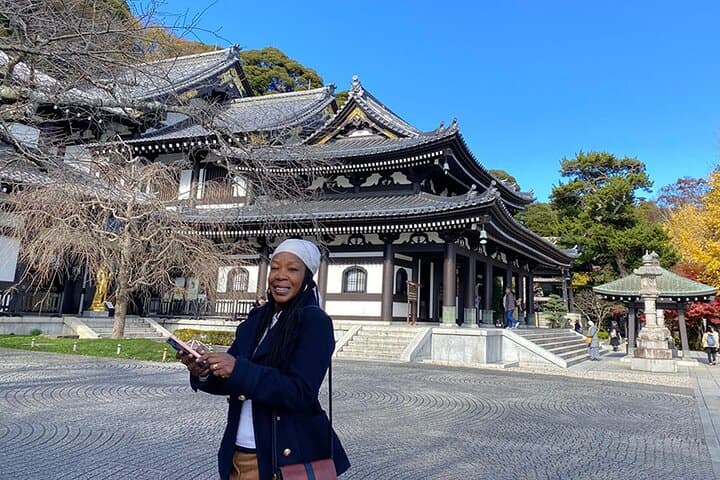
Kamakura was the political heart of medieval Japan—home to the Kamakura shogunate (late 12th–14th centuries)—and its streets still carry that compact, lived-in history. Geologically the town sits on Pliocene terraces and low coastal hills, so expect short stair climbs and shaded temple approaches rather than high alpine effort. Cultural rhythms matter here: shrines follow Shinto ritual, temples reflect Zen austerity, and small neighborhood shops keep centuries-old crafts alive.
Practically, the tour covers roughly 3–5 km on mostly paved and stone paths with cumulative elevation gains under 150 m. Guides orient you to etiquette (bowing, cleansing hands), point out small shrine rituals like the money-washing at Zeniarai Benten, and suggest local bites on Komachi-dori. Wear broken-in walking shoes and bring cash for small entry fees and snacks. Start earlier in the day to avoid peak crowds at the Great Buddha and enjoy cooler light for photos.
This half-day walk balances easy urban trekking with cultural depth—ideal for travelers who want concentrated local knowledge without a strenuous hike.
easy.
4 hours.
Suitable for travelers who can walk 3–5 km on paved paths and tolerate short stair sections; no special fitness required.
Guides can meet you at Kamakura Station or at another prearranged spot; meeting at the station maximizes walking time through the key sites.
Most stops are free, but some temples request small admission fees (typically ¥200–¥500) which are not included in the tour price.
Parts of the route, especially major shrines and Komachi-dori, are accessible, but several temples have stone steps—contact the operator to confirm a fully accessible itinerary.
Yes—guides tailor the route to interests (history, food, photography) within the four-hour window; mention preferences when booking.
Kamakura served as the seat of the Kamakura shogunate from the late 12th to early 14th century, shaping early samurai governance and temple patronage still visible today.
Temples manage fragile gardens and old-growth trees—stay on paths, avoid littering, and follow shrine rules to reduce impact.
JewelTours.Japan operates guided outdoor trips and adventures with an emphasis on safety, stewardship, and memorable experiences.
The morning light in Kamakura catches the bronze of the Great Buddha and the red torii of Tsurugaoka Hachimangu with equal clarity; a street vendor flips taiyaki while cicadas and city sounds form a steady hum. On this four-hour circuit a local expert leads you from the station into narrow alleys, through temple gates, and up a short, wooded ridge where the city opens toward Sagami Bay.
The morning light in Kamakura catches the bronze of the Great Buddha and the red torii of Tsurugaoka Hachimangu with equal clarity; a street vendor flips taiyaki while cicadas and city sounds form a steady hum. On this four-hour circuit a local expert leads you from the station into narrow alleys, through temple gates, and up a short, wooded ridge where the city opens toward Sagami Bay.
Kamakura was the political heart of medieval Japan—home to the Kamakura shogunate (late 12th–14th centuries)—and its streets still carry that compact, lived-in history. Geologically the town sits on Pliocene terraces and low coastal hills, so expect short stair climbs and shaded temple approaches rather than high alpine effort. Cultural rhythms matter here: shrines follow Shinto ritual, temples reflect Zen austerity, and small neighborhood shops keep centuries-old crafts alive.
Practically, the tour covers roughly 3–5 km on mostly paved and stone paths with cumulative elevation gains under 150 m. Guides orient you to etiquette (bowing, cleansing hands), point out small shrine rituals like the money-washing at Zeniarai Benten, and suggest local bites on Komachi-dori. Wear broken-in walking shoes and bring cash for small entry fees and snacks. Start earlier in the day to avoid peak crowds at the Great Buddha and enjoy cooler light for photos.
This half-day walk balances easy urban trekking with cultural depth—ideal for travelers who want concentrated local knowledge without a strenuous hike.