THE ADVENTURE COLLECTIVE® · Independent discovery and booking for outdoor travel

Explore Kamakura with a local expert on this full-day walking tour that covers the Great Buddha, key shrines, and Komachi-dori. Expect paced walking, cultural context, and practical tips for transit and small entrance fees.
Explore Kamakura with a local expert on this full-day walking tour that covers the Great Buddha, key shrines, and Komachi-dori. Expect paced walking, cultural context, and practical tips for transit and small entrance fees.
On a crisp morning the narrow alleyways of Kamakura open like pages of a well-traveled book; lacquered torii frame steps, and the sea breathes beyond the hills. A local guide leads the way, pointing out lacquered eaves and moss-furred stone lanterns as the group moves from Komachi-dori's lively stalls toward quiet temple paths.
Verified experiences and guided adventures in the surrounding area.
Operated by JewelTours.Japan · Kamakura, Kanagawa
On a crisp morning the narrow alleyways of Kamakura open like pages of a well-traveled book; lacquered torii frame steps, and the sea breathes beyond the hills. A local guide leads the way, pointing out lacquered eaves and moss-furred stone lanterns as the group moves from Komachi-dori's lively stalls toward quiet temple paths.
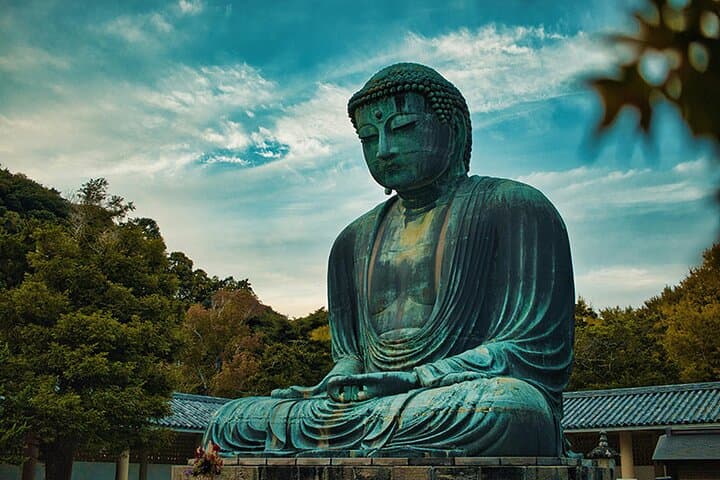
Kamakura's story is visible in its streets: a 12th-century samurai capital, coastal defenses shaped by tectonic uplift and centuries of trade. Geology meets culture here — low hills of Miocene sediment, ancient cedar groves, and temples built on terraces that resist winter storms. Visitors encounter Shinto shrines, Zen temples, and the open bronze of the Great Buddha, each site layered with ritual and local craft.
The tour balances paced walking with local insights: taste pickled snacks on Komachi-dori, observe the money-washing ritual at Zeniarai Benten, and pause beneath Meigetsuin's hydrangea-laced corridors in season. Guides explain shrine etiquette, seasonal festivals, and practical transit options for a day beginning in Tokyo or Yokohama.
Practical guidance: wear supportive walking shoes — some temple grounds use stone steps and gravel paths — and bring cash for small entrance fees (¥200–¥500), snacks, and shrine offerings. Public transport connects Kamakura directly to Tokyo; allow 60–90 minutes each way from central Tokyo. Expect roughly 8–12 km of walking across varied surfaces, gentle elevation changes, and frequent stops. Midday sun or sudden showers are possible; layers and a compact umbrella make the day comfortable. Carry 1–2 liters of water, pace for temple etiquette, leave ample time for photography, lunch.
moderate.
8 hours.
Comfortable for anyone who can walk 8–12 km with intermittent stops; light endurance recommended.
The tour runs about 8 hours with roughly 8–12 km of walking across mixed surfaces and regular stops.
Yes — pickup options include Tokyo and Yokohama; specify your preferred pickup point when booking.
No — small entrance fees (typically ¥200–¥500) are payable on site, so bring cash.
The tour is rated easy to moderate; stroller- and wheelchair-accessible segments exist, but some sites have steps — notify the operator about mobility needs.
Kamakura served as Japan’s political center during the Kamakura shogunate (12th–14th centuries), and many temples preserve that samurai-era heritage.
Respect sacred sites by staying on paths, using designated rest areas, and paying small fees that help maintain temple grounds and local trails.
JewelTours.Japan operates guided outdoor trips and adventures with an emphasis on safety, stewardship, and memorable experiences.
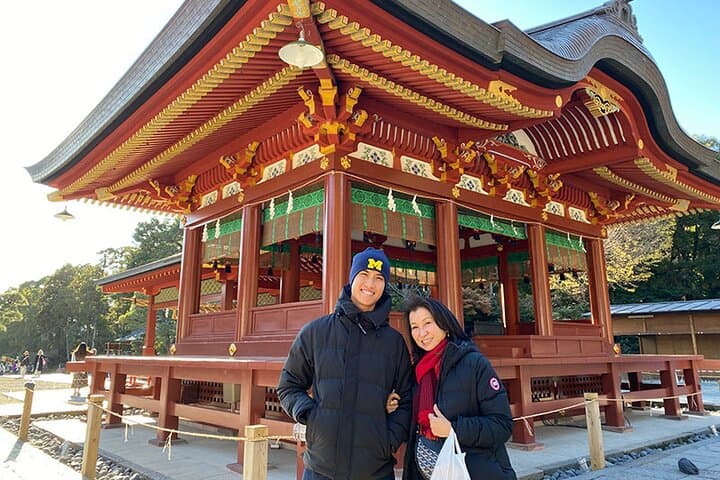
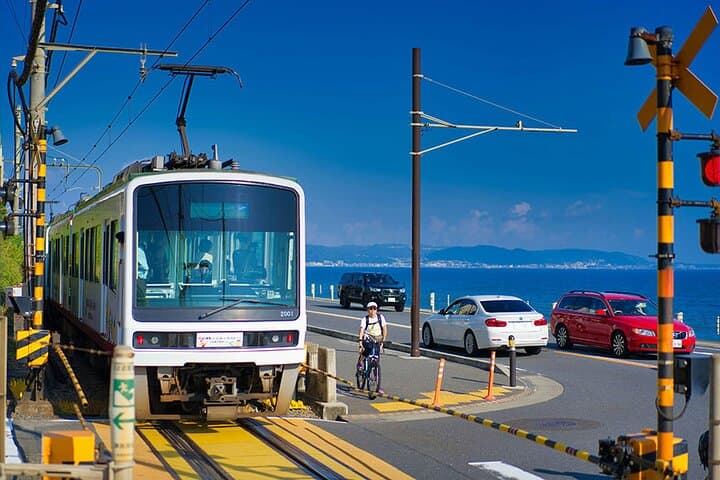
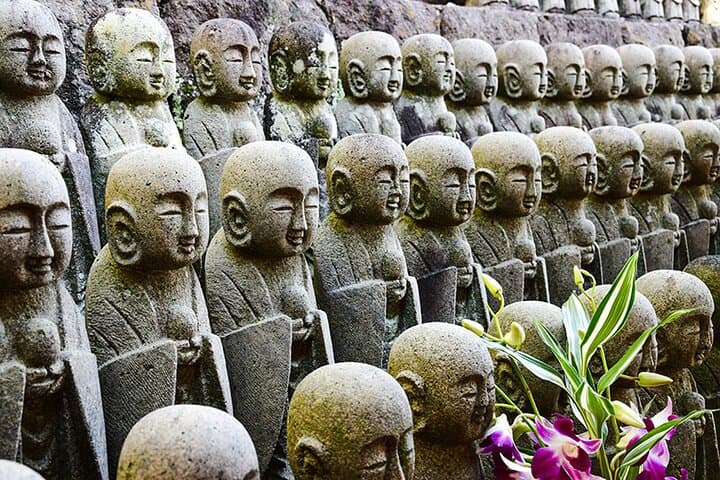
On a crisp morning the narrow alleyways of Kamakura open like pages of a well-traveled book; lacquered torii frame steps, and the sea breathes beyond the hills. A local guide leads the way, pointing out lacquered eaves and moss-furred stone lanterns as the group moves from Komachi-dori's lively stalls toward quiet temple paths.
On a crisp morning the narrow alleyways of Kamakura open like pages of a well-traveled book; lacquered torii frame steps, and the sea breathes beyond the hills. A local guide leads the way, pointing out lacquered eaves and moss-furred stone lanterns as the group moves from Komachi-dori's lively stalls toward quiet temple paths.
Kamakura's story is visible in its streets: a 12th-century samurai capital, coastal defenses shaped by tectonic uplift and centuries of trade. Geology meets culture here — low hills of Miocene sediment, ancient cedar groves, and temples built on terraces that resist winter storms. Visitors encounter Shinto shrines, Zen temples, and the open bronze of the Great Buddha, each site layered with ritual and local craft.
The tour balances paced walking with local insights: taste pickled snacks on Komachi-dori, observe the money-washing ritual at Zeniarai Benten, and pause beneath Meigetsuin's hydrangea-laced corridors in season. Guides explain shrine etiquette, seasonal festivals, and practical transit options for a day beginning in Tokyo or Yokohama.
Practical guidance: wear supportive walking shoes — some temple grounds use stone steps and gravel paths — and bring cash for small entrance fees (¥200–¥500), snacks, and shrine offerings. Public transport connects Kamakura directly to Tokyo; allow 60–90 minutes each way from central Tokyo. Expect roughly 8–12 km of walking across varied surfaces, gentle elevation changes, and frequent stops. Midday sun or sudden showers are possible; layers and a compact umbrella make the day comfortable. Carry 1–2 liters of water, pace for temple etiquette, leave ample time for photography, lunch.