THE ADVENTURE COLLECTIVE® · Independent discovery and booking for outdoor travel

Spend a private full day exploring Kamakura’s Great Buddha, hillside temples, and a calming bamboo grove. This customizable tour blends coastal views with samurai-era history and relaxed walking between sites.
Spend a private full day exploring Kamakura’s Great Buddha, hillside temples, and a calming bamboo grove. This customizable tour blends coastal views with samurai-era history and relaxed walking between sites.
Morning light softens the coastline as a private vehicle eases out of Tokyo and the air takes on salt and cedar—Kamakura arrives first as a scent and then a town. Visitors step from the car to the 13-meter bronze Amida statue, where gulls wheel and the statue’s weathered surface holds centuries of rain and sun.
Verified experiences and guided adventures in the surrounding area.
Operated by Xplor Japan · Kamakura, Kanagawa
Morning light softens the coastline as a private vehicle eases out of Tokyo and the air takes on salt and cedar—Kamakura arrives first as a scent and then a town. Visitors step from the car to the 13-meter bronze Amida statue, where gulls wheel and the statue’s weathered surface holds centuries of rain and sun.
Kamakura was Japan’s political center in the late 12th through 14th centuries when the shogunate established itself here; the town’s low hills are carved with temples and shrines that reflect both Zen austerity and samurai patronage. Geologically, Kamakura sits on a coastal terrace cut by small streams and cliffs that frame the Sagami Bay—hills are short but steep in places, offering ocean vantage points from temple observation decks.
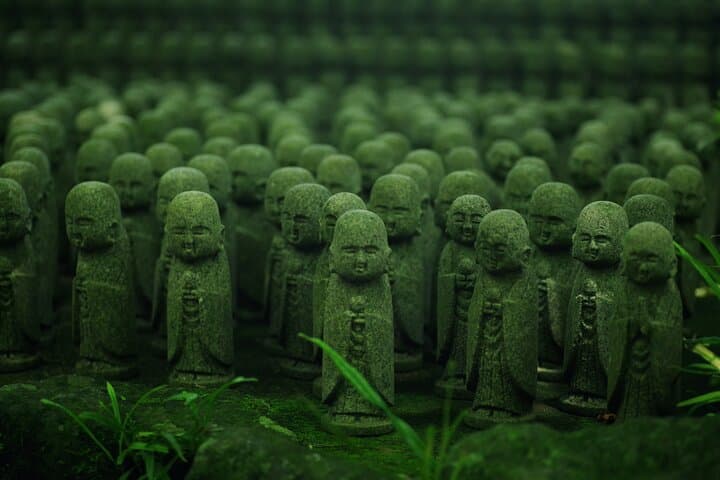
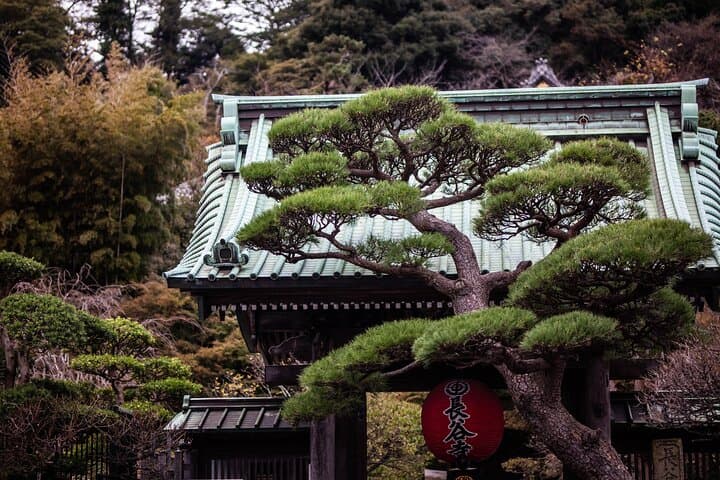
The day moves between sites: the Great Buddha at Kotoku-in, the hydrangea-season gardens near Meigetsu-in and Hasedera, the hush of Hokokuji’s bamboo grove, and the red gates and pond at Tsurugaoka Hachimangu. Guides orient travelers to cultural norms—bowing at shrines, quiet in temple halls—and point out local craft shops and small eateries along Komachi-dori.
Practically, expect 6–8 km of walking spread over a full day (roughly 10 hours including transport and lunch), short stair sections and hillside paths with up to ~120 m cumulative ascent. Comfortable walking shoes, layered clothing for coastal breezes, and a flexible schedule make the day smooth. A private guide allows customization—slowing for photography, skipping steps, or focusing on tea houses—so visitors leave with both context and quiet moments by the sea.
easy.
10 hours.
Suitable for most fitness levels; able to walk several hours with short stair climbs.
Plan for roughly 6–8 km over the day with multiple short stair sections and up to ~120 m cumulative ascent—pacing is flexible on a private tour.
This tour generally does not include temple admission fees; confirm with the operator which stops will have tickets covered.
Yes—this is a private customizable tour; you can request more time at specific temples, a coastal stop, or a focus on local crafts and food.
Yes—private air-conditioned transport for pickup and drop-off is included; check pickup point options when booking.
Kamakura served as the seat of the Kamakura shogunate (late 12th–14th centuries), which shaped much of Japan’s medieval political and religious landscape.
High visitor numbers concentrate at key sites—stick to marked paths, avoid single-use plastics, and respect temple rules to reduce wear on historic structures.
Xplor Japan operates guided outdoor trips and adventures with an emphasis on safety, stewardship, and memorable experiences.
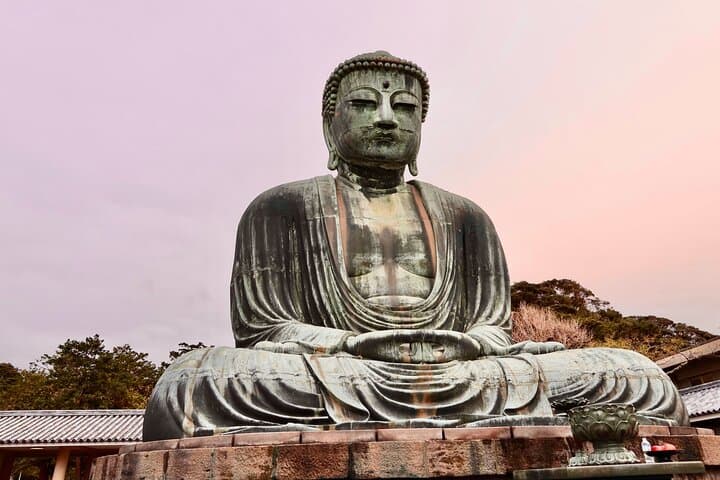
Morning light softens the coastline as a private vehicle eases out of Tokyo and the air takes on salt and cedar—Kamakura arrives first as a scent and then a town. Visitors step from the car to the 13-meter bronze Amida statue, where gulls wheel and the statue’s weathered surface holds centuries of rain and sun.
Morning light softens the coastline as a private vehicle eases out of Tokyo and the air takes on salt and cedar—Kamakura arrives first as a scent and then a town. Visitors step from the car to the 13-meter bronze Amida statue, where gulls wheel and the statue’s weathered surface holds centuries of rain and sun.
Kamakura was Japan’s political center in the late 12th through 14th centuries when the shogunate established itself here; the town’s low hills are carved with temples and shrines that reflect both Zen austerity and samurai patronage. Geologically, Kamakura sits on a coastal terrace cut by small streams and cliffs that frame the Sagami Bay—hills are short but steep in places, offering ocean vantage points from temple observation decks.
The day moves between sites: the Great Buddha at Kotoku-in, the hydrangea-season gardens near Meigetsu-in and Hasedera, the hush of Hokokuji’s bamboo grove, and the red gates and pond at Tsurugaoka Hachimangu. Guides orient travelers to cultural norms—bowing at shrines, quiet in temple halls—and point out local craft shops and small eateries along Komachi-dori.
Practically, expect 6–8 km of walking spread over a full day (roughly 10 hours including transport and lunch), short stair sections and hillside paths with up to ~120 m cumulative ascent. Comfortable walking shoes, layered clothing for coastal breezes, and a flexible schedule make the day smooth. A private guide allows customization—slowing for photography, skipping steps, or focusing on tea houses—so visitors leave with both context and quiet moments by the sea.