THE ADVENTURE COLLECTIVE® · Independent discovery and booking for outdoor travel

Spend a day moving between Kamakura’s seminal sites: the Great Buddha, bamboo groves, shrine terraces and Komachi-dori. This guided loop packs history, coastal scenery and practical stops into one accessible itinerary.
Spend a day moving between Kamakura’s seminal sites: the Great Buddha, bamboo groves, shrine terraces and Komachi-dori. This guided loop packs history, coastal scenery and practical stops into one accessible itinerary.
Morning light slides down the stone steps of Tsurugaoka Hachimangu as a guide gathers a small group and maps a route through green valleys and coastal air. The city feels lived-in — not staged — where ancient shrines sit shoulder-to-shoulder with tea shops and a steady procession of pilgrims and day-trippers.
Verified experiences and guided adventures in the surrounding area.
Operated by OTOMO Travel Guide · Kamakura, Kanagawa
Morning light slides down the stone steps of Tsurugaoka Hachimangu as a guide gathers a small group and maps a route through green valleys and coastal air. The city feels lived-in — not staged — where ancient shrines sit shoulder-to-shoulder with tea shops and a steady procession of pilgrims and day-trippers.
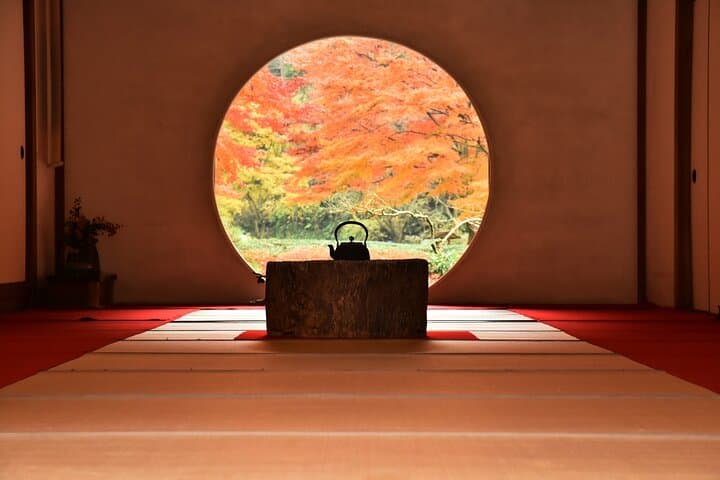
Kamakura’s story is visible in its architecture: the seat of the 12th–14th century Kamakura shogunate shaped a compact city of fortified temples and samurai shrines. Walk from Komachi-dori’s busy stalls to the hush of Meigetsu-in’s round-window room, and the shift from commerce to contemplation is immediate.
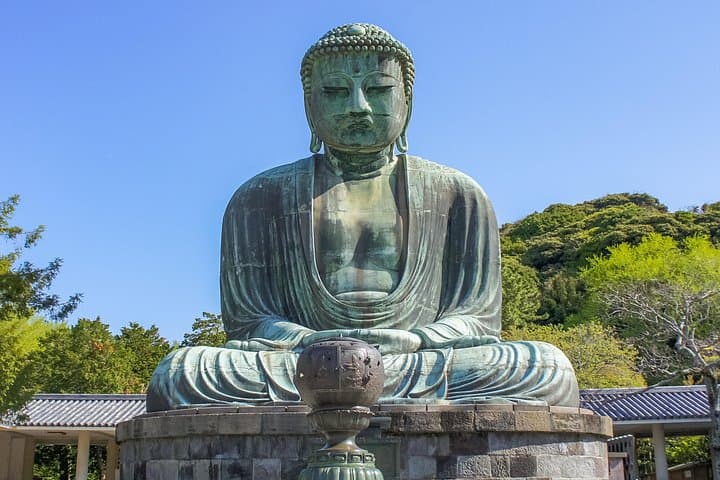
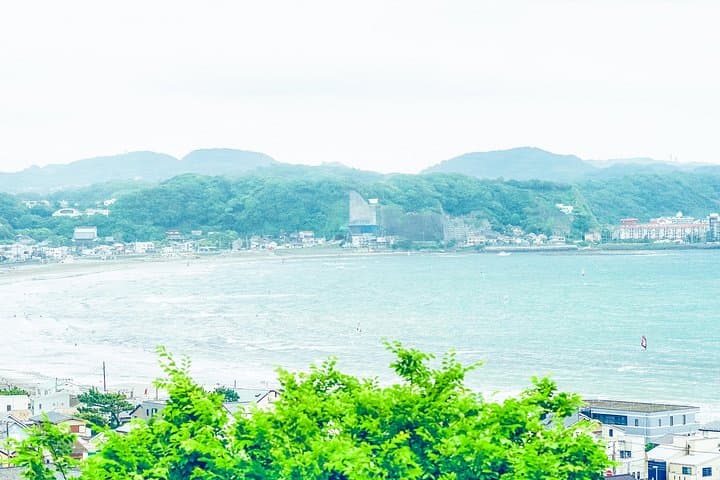
Geology and coastal winds sculpt the town — low hills of Miocene sediment support shaded temple terraces, while sandy beaches and pine trees hold the horizon. Highlights on a full-day route include the towering bronze Daibutsu at Kotoku-in, the bamboo avenues at Hokokuji that frame the view like a living corridor, Hasedera’s flowered slopes and cave path, and quiet matcha breaks at Jyomyoji.
Expect a lot of stairs and narrow lanes; the tour is low-impact but uses public transport between far-flung sites. Carry cash for small shops and shrine offerings, and pace yourself: the experience is a balance of active walking and slow cultural moments.
For first-timers, this circuit is an efficient primer — a practical, sensory introduction to Kamakura’s samurai-era legacy, coastal geology, and temple rhythms.
easy.
7–8 hours.
Suitable for anyone who can walk several miles and handle repeated stairs; frequent short breaks recommended.
Expect several kilometers of walking broken up by temple visits and short public-transit transfers; the route covers dispersed sites across Kamakura’s hills and coast.
This private tour typically does not include shrine or temple admission and meal costs — bring cash for entry where required.
Many sites have steep stairs and uneven paths; wheelchair access is limited and some locations are not suitable for mobility-impaired visitors.
Availability depends on the operator; confirm language needs at booking since private guides are arranged per tour.
Kamakura was the political center of Japan during the 12th–14th century shogunate, leaving a dense concentration of samurai-era shrines and temples.
High visitor numbers put pressure on fragile temple gardens and bamboo groves — stick to paths, avoid picking plants, and use marked viewing areas to reduce erosion.
OTOMO Travel Guide operates guided outdoor trips and adventures with an emphasis on safety, stewardship, and memorable experiences.
Morning light slides down the stone steps of Tsurugaoka Hachimangu as a guide gathers a small group and maps a route through green valleys and coastal air. The city feels lived-in — not staged — where ancient shrines sit shoulder-to-shoulder with tea shops and a steady procession of pilgrims and day-trippers.
Morning light slides down the stone steps of Tsurugaoka Hachimangu as a guide gathers a small group and maps a route through green valleys and coastal air. The city feels lived-in — not staged — where ancient shrines sit shoulder-to-shoulder with tea shops and a steady procession of pilgrims and day-trippers.
Kamakura’s story is visible in its architecture: the seat of the 12th–14th century Kamakura shogunate shaped a compact city of fortified temples and samurai shrines. Walk from Komachi-dori’s busy stalls to the hush of Meigetsu-in’s round-window room, and the shift from commerce to contemplation is immediate.
Geology and coastal winds sculpt the town — low hills of Miocene sediment support shaded temple terraces, while sandy beaches and pine trees hold the horizon. Highlights on a full-day route include the towering bronze Daibutsu at Kotoku-in, the bamboo avenues at Hokokuji that frame the view like a living corridor, Hasedera’s flowered slopes and cave path, and quiet matcha breaks at Jyomyoji.
Expect a lot of stairs and narrow lanes; the tour is low-impact but uses public transport between far-flung sites. Carry cash for small shops and shrine offerings, and pace yourself: the experience is a balance of active walking and slow cultural moments.
For first-timers, this circuit is an efficient primer — a practical, sensory introduction to Kamakura’s samurai-era legacy, coastal geology, and temple rhythms.