THE ADVENTURE COLLECTIVE® · Independent discovery and booking for outdoor travel

Spend six curated hours exploring Kamakura’s Great Buddha, a serene bamboo teahouse, and Enoshima’s coastal views with a private car and local guide. This compact route pairs samurai-era history with easy walking and authentic local flavors.
Spend six curated hours exploring Kamakura’s Great Buddha, a serene bamboo teahouse, and Enoshima’s coastal views with a private car and local guide. This compact route pairs samurai-era history with easy walking and authentic local flavors.
You step out of the car onto a narrow street where forge-scarred roofs and stone lanterns frame the air; the sea breeze from Enoshima tugs at your sleeves, urging you toward the shore. In six hours you move between centuries: the Great Buddha standing quiet in open sky, a bamboo grove that leans and whispers, and a harbor where Yokohama’s skyline blinks against the water.
Verified experiences and guided adventures in the surrounding area.
Operated by The Washoku Club Culture and Food Tours · Kamakura, Kanagawa
You step out of the car onto a narrow street where forge-scarred roofs and stone lanterns frame the air; the sea breeze from Enoshima tugs at your sleeves, urging you toward the shore. In six hours you move between centuries: the Great Buddha standing quiet in open sky, a bamboo grove that leans and whispers, and a harbor where Yokohama’s skyline blinks against the water.
Kamakura was Japan’s political center in the late 12th and early 13th centuries, and its compact network of temples and shrines reflects that samurai-era imprint. Geologically, the coast along Sagami Bay shifts between rocky headlands and sandy spits, with Enoshima rising as a small island where marine currents sculpt tidal pools and viewpoints. Cultural highlights include Tsurugaoka Hachimangu’s processional steps, Hokokuji’s green bamboo courtyard and its matcha teahouse, and Komachi Street’s local crafts — pigeon-shaped cookies and carved lacquerware among them.
Practically: the tour runs about six hours by private car with door-to-door pickup from Tokyo-area hotels. Expect light walking on uneven temple paths and short stairs; many sites charge modest admission (bring cash). Start early to avoid peak visitor hours, especially during cherry blossom or hydrangea seasons. Wear comfortable shoes, carry a light rain layer in spring and summer, and observe shrine etiquette (bow, remove hats, avoid loud voices). Guides commonly fold in local dining suggestions and short photo stops; if you want a slower pace at any site, request it when booking. This route blends coastal air and quiet woodland with accessible history — good for travelers who want curated access to Kamakura’s highlights without navigating trains and transfers.
easy.
6 hours.
Suitable for most fitness levels; involves short periods of walking and standing with occasional stairs.
The experience is offered as a private car tour with a dedicated driver and local guide for your booking.
Admission fees to temples and meals are generally not included; the tour typically provides bottled water and vehicle costs.
Yes — guides commonly tailor stops and pacing when requested prior to or during the tour, subject to traffic and operating hours.
Yes; infants may join but must sit on an adult’s lap during the car transfer per operator policy.
Kamakura served as Japan’s political center under the Kamakura shogunate (late 12th–14th centuries), which shaped its cluster of samurai-era temples and shrines.
Temples manage foot traffic to protect historic gardens; visitors should stay on paths, avoid littering, and use marked viewpoints to minimize erosion.
The Washoku Club Culture and Food Tours operates guided outdoor trips and adventures with an emphasis on safety, stewardship, and memorable experiences.
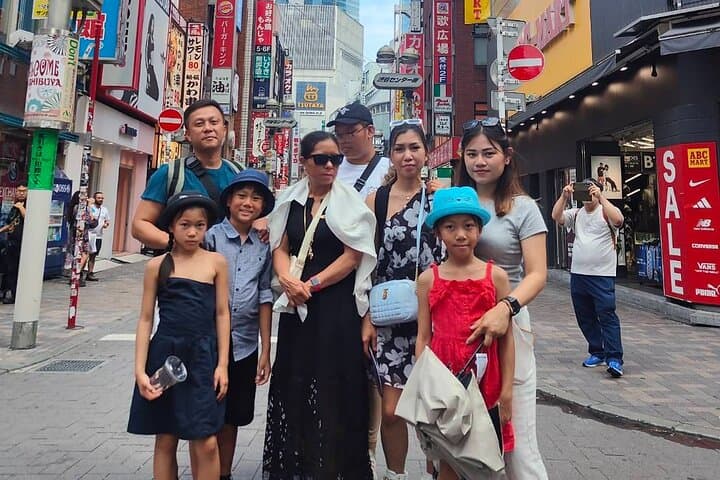
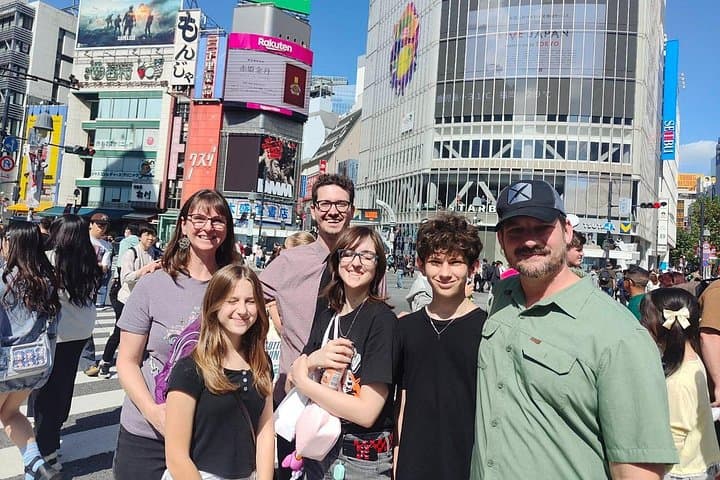

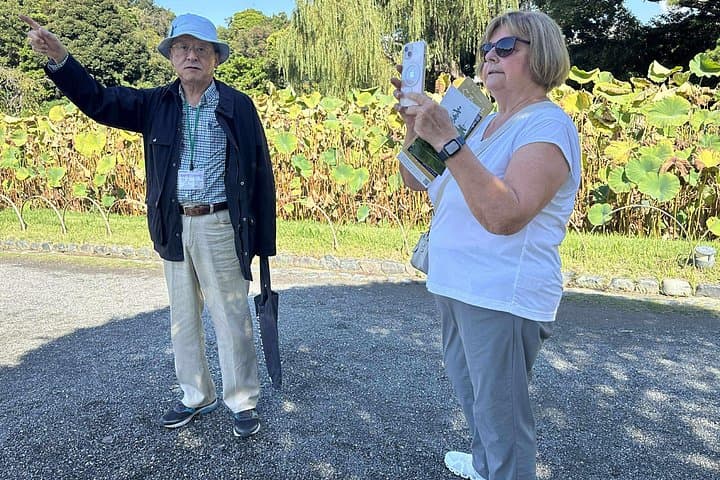
You step out of the car onto a narrow street where forge-scarred roofs and stone lanterns frame the air; the sea breeze from Enoshima tugs at your sleeves, urging you toward the shore. In six hours you move between centuries: the Great Buddha standing quiet in open sky, a bamboo grove that leans and whispers, and a harbor where Yokohama’s skyline blinks against the water.
You step out of the car onto a narrow street where forge-scarred roofs and stone lanterns frame the air; the sea breeze from Enoshima tugs at your sleeves, urging you toward the shore. In six hours you move between centuries: the Great Buddha standing quiet in open sky, a bamboo grove that leans and whispers, and a harbor where Yokohama’s skyline blinks against the water.
Kamakura was Japan’s political center in the late 12th and early 13th centuries, and its compact network of temples and shrines reflects that samurai-era imprint. Geologically, the coast along Sagami Bay shifts between rocky headlands and sandy spits, with Enoshima rising as a small island where marine currents sculpt tidal pools and viewpoints. Cultural highlights include Tsurugaoka Hachimangu’s processional steps, Hokokuji’s green bamboo courtyard and its matcha teahouse, and Komachi Street’s local crafts — pigeon-shaped cookies and carved lacquerware among them.
Practically: the tour runs about six hours by private car with door-to-door pickup from Tokyo-area hotels. Expect light walking on uneven temple paths and short stairs; many sites charge modest admission (bring cash). Start early to avoid peak visitor hours, especially during cherry blossom or hydrangea seasons. Wear comfortable shoes, carry a light rain layer in spring and summer, and observe shrine etiquette (bow, remove hats, avoid loud voices). Guides commonly fold in local dining suggestions and short photo stops; if you want a slower pace at any site, request it when booking. This route blends coastal air and quiet woodland with accessible history — good for travelers who want curated access to Kamakura’s highlights without navigating trains and transfers.