THE ADVENTURE COLLECTIVE® · Independent discovery and booking for outdoor travel

Walk from Kamakura’s temple lanes to Enoshima’s windswept headlands on a six-hour cultural and coastal discovery. See the Great Buddha, sacred springs, a nunnery bamboo grove, and a seaside island tied to legend—all on a single, well-paced day trip.
Walk from Kamakura’s temple lanes to Enoshima’s windswept headlands on a six-hour cultural and coastal discovery. See the Great Buddha, sacred springs, a nunnery bamboo grove, and a seaside island tied to legend—all on a single, well-paced day trip.
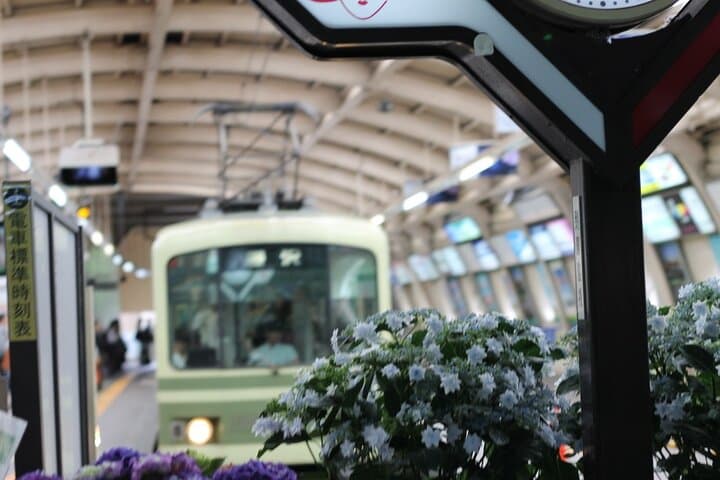
You step off the train into Kamakura’s low-slung streets, the sea already breathing salt into the air; a steady rhythm of footsteps leads the group toward shaded temple approaches and a bronze silhouette that has watched the coastline for centuries.
Verified experiences and guided adventures in the surrounding area.
Operated by KAMAKURA GUIDED TOURS · Kamakura, Kanagawa
You step off the train into Kamakura’s low-slung streets, the sea already breathing salt into the air; a steady rhythm of footsteps leads the group toward shaded temple approaches and a bronze silhouette that has watched the coastline for centuries.
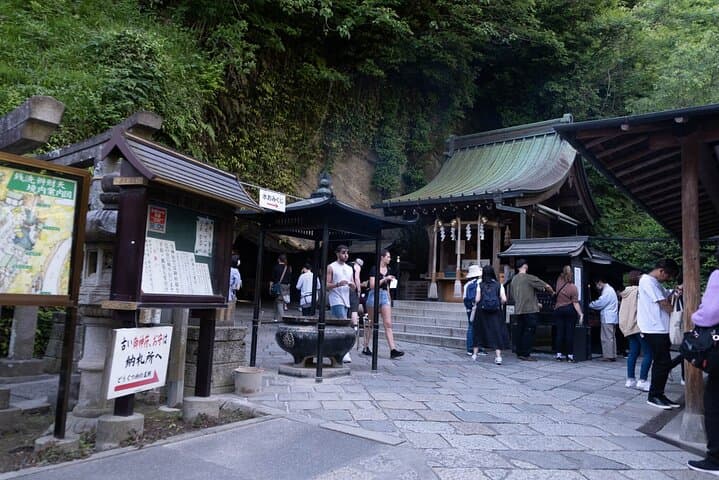
This six-hour walking discovery threads history and coastline. Kamakura was the seat of Japan’s first shogunate in the 12th–14th centuries, and Kotoku-in’s Great Buddha—cast in bronze in the mid-1200s—still anchors the town’s spiritual gravity. The tour moves through smaller, local sanctuaries: Sasuke Inari’s vermilion gates and Zeniarai Benten’s coin-washing spring, where custom and folklore meet. Eisho-ji offers a quieter pause, a nunnery with a bamboo grove to slow the pace.
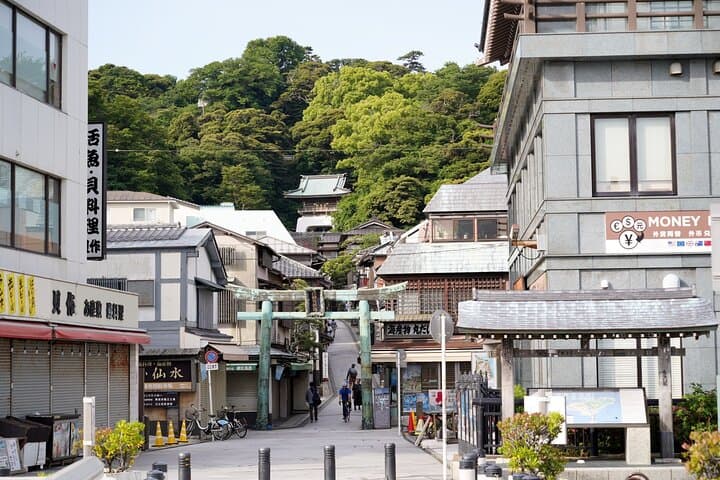
Crossing toward Enoshima, the landscape shifts: beach sands, rocky headlands and a small volcanic island dedicated to Benzaiten. Enoshima’s coastal cliffs and Iwaya caves speak to marine erosion as much as to myth; gulls and cormorants wheel where currents push at rock.
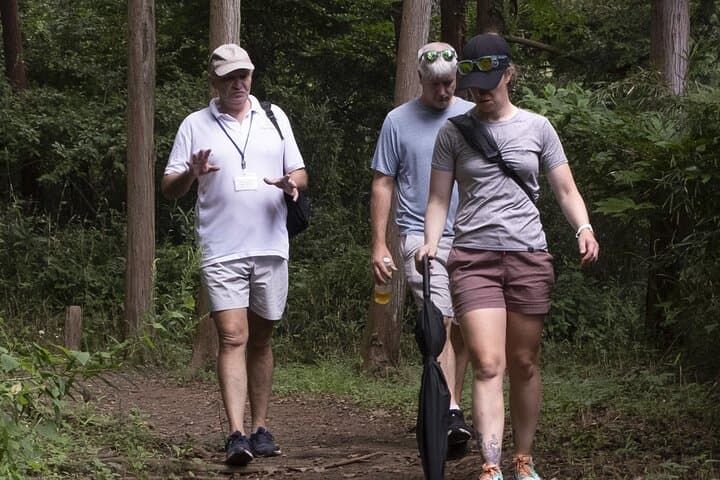
Practicalities are straightforward: the group covers paved paths, temple steps and short coastal climbs—expect steady walking rather than technical hiking. Lunch is a provided bento with tea; public transit links to central Tokyo make this a doable day trip. Bring comfortable shoes, sun protection, and small change for shrine offerings or snacks. Travel light, move deliberately, and respect shrine etiquette: bow, remove hats, and keep voices low. With that, the day balances cultural depth and easy coastal motion—history in motion, the sea daring you to look beyond the next headland.
easy.
5–6 hours.
Suitable for most travelers who can walk steadily for several hours and manage short stair sections.
The tour is rated easy: it involves several hours of walking on mostly paved paths and temple steps rather than strenuous hiking.
Visits to some sites like Kotoku-in are included per the itinerary; always confirm specific attractions on booking details.
Yes—most ages can join if they can walk steadily for a few hours and manage stairs; travelers with spinal, heart, or pregnancy restrictions should avoid it per operator guidance.
Trains from Tokyo (via JR or Odakyu lines) reach Kamakura in about 1–1.5 hours; the tour usually starts near Kamakura Station with easy public-transit access to Enoshima.]
Kamakura served as Japan’s military government center from the late 1100s; many of the temples and the Great Buddha date to the Kamakura period (12th–14th centuries).
Heavy visitation stresses temple grounds and coastal habitats—stay on paths, avoid feeding wildlife, and carry out any trash to protect fragile shoreline ecology.
KAMAKURA GUIDED TOURS operates guided outdoor trips and adventures with an emphasis on safety, stewardship, and memorable experiences.
You step off the train into Kamakura’s low-slung streets, the sea already breathing salt into the air; a steady rhythm of footsteps leads the group toward shaded temple approaches and a bronze silhouette that has watched the coastline for centuries.
You step off the train into Kamakura’s low-slung streets, the sea already breathing salt into the air; a steady rhythm of footsteps leads the group toward shaded temple approaches and a bronze silhouette that has watched the coastline for centuries.
This six-hour walking discovery threads history and coastline. Kamakura was the seat of Japan’s first shogunate in the 12th–14th centuries, and Kotoku-in’s Great Buddha—cast in bronze in the mid-1200s—still anchors the town’s spiritual gravity. The tour moves through smaller, local sanctuaries: Sasuke Inari’s vermilion gates and Zeniarai Benten’s coin-washing spring, where custom and folklore meet. Eisho-ji offers a quieter pause, a nunnery with a bamboo grove to slow the pace.
Crossing toward Enoshima, the landscape shifts: beach sands, rocky headlands and a small volcanic island dedicated to Benzaiten. Enoshima’s coastal cliffs and Iwaya caves speak to marine erosion as much as to myth; gulls and cormorants wheel where currents push at rock.
Practicalities are straightforward: the group covers paved paths, temple steps and short coastal climbs—expect steady walking rather than technical hiking. Lunch is a provided bento with tea; public transit links to central Tokyo make this a doable day trip. Bring comfortable shoes, sun protection, and small change for shrine offerings or snacks. Travel light, move deliberately, and respect shrine etiquette: bow, remove hats, and keep voices low. With that, the day balances cultural depth and easy coastal motion—history in motion, the sea daring you to look beyond the next headland.