THE ADVENTURE COLLECTIVE® · Independent discovery and booking for outdoor travel

Spend a customizable day exploring Kamakura’s temples, coastal trails and the Great Buddha with a like-minded local host. This private tour balances history, short hikes and relaxed beachside stops—perfect for travelers who want a tailored pace.
Spend a customizable day exploring Kamakura’s temples, coastal trails and the Great Buddha with a like-minded local host. This private tour balances history, short hikes and relaxed beachside stops—perfect for travelers who want a tailored pace.
The morning train eases out of Tokyo and the air lightens—salt tang and pine on the breeze—as you arrive in Kamakura. Your local host meets you and the city unfolds: narrow streets that open onto temple courtyards, a bronze Great Buddha watching the sky, and paths that climb into forested ridgelines with views of Sagami Bay.
Verified experiences and guided adventures in the surrounding area.
Operated by City Unscripted · Kamakura, Kanagawa
The morning train eases out of Tokyo and the air lightens—salt tang and pine on the breeze—as you arrive in Kamakura. Your local host meets you and the city unfolds: narrow streets that open onto temple courtyards, a bronze Great Buddha watching the sky, and paths that climb into forested ridgelines with views of Sagami Bay.
Kamakura was Japan’s political center in the 12th–14th centuries; samurai-era shrines and Zen temples like Engakuji and Hase-dera still shape the town’s rhythm. Geologically, the coastline here is a mix of low cliffs and sandy bays carved by wave action off the Kanto plain, while the wooded hills are part of the Miura Peninsula’s softer sedimentary folds. Culture is tangible—tea houses, shrine rituals, and Komachi-dori’s street food offering a modern counterpoint.
On a private, full-day outing with a Local, expect a tailored mix: temple visits, a bamboo grove pause at Hokokuji, coastal views, and short local hikes on well-maintained trails. Timing matters—hydrangeas peak in early summer and mornings are best for quieter temple visits. Wear supportive shoes and plan for up to 6–8 miles of walking total at a gentle-to-steady pace.
Practical tips: take the JR train from Tokyo for roughly an hour, bring a refillable water bottle, and carry cash for small shrine fees or tea-house matches. Your host will shape the day to your pace—whether you want history, coastal downtime, or a surf-shack beer before the return ride to Tokyo.
moderate.
8 hours.
Suitable for anyone who can walk several miles at a steady pace; basic stamina for short uphill trail sections is helpful.
Take the JR Yokosuka Line from Tokyo Station or the Shonan-Shinjuku Line—travel time is about 50–60 minutes to Kamakura Station.
Many streets and some temple grounds are accessible, but stairs and uneven paths exist; confirm accessibility needs with your host before booking.
Kotoku-in charges a modest admission for entry to the Daibutsu area; fees are typically paid on-site in cash or card depending on the site.
Yes—this private experience is personalized after you complete a short questionnaire and your host will tailor the itinerary to your interests.
Kamakura served as Japan’s de facto capital under the Kamakura shogunate (1185–1333), leaving a rich concentration of samurai-era shrines and Zen temples still active today.
Local sites balance visitor access with preservation—stick to marked paths, avoid touching historical woodwork, and use designated trash and recycling points to reduce impact.
City Unscripted operates guided outdoor trips and adventures with an emphasis on safety, stewardship, and memorable experiences.
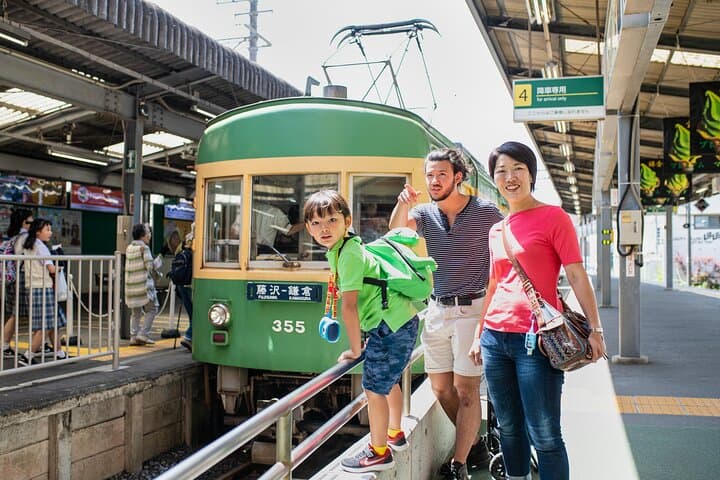
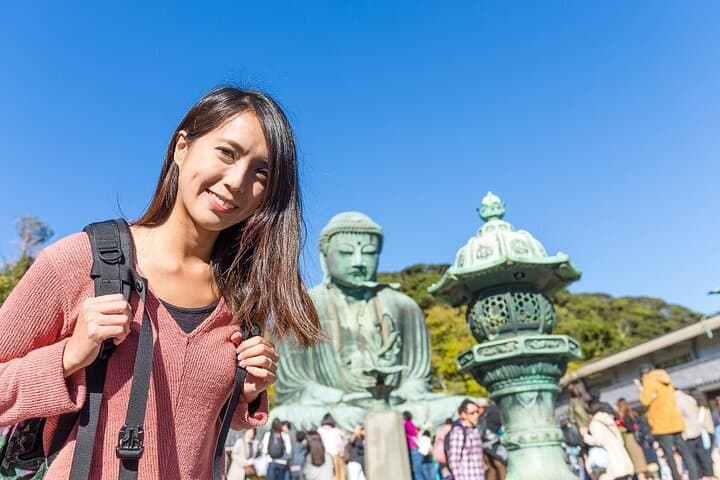
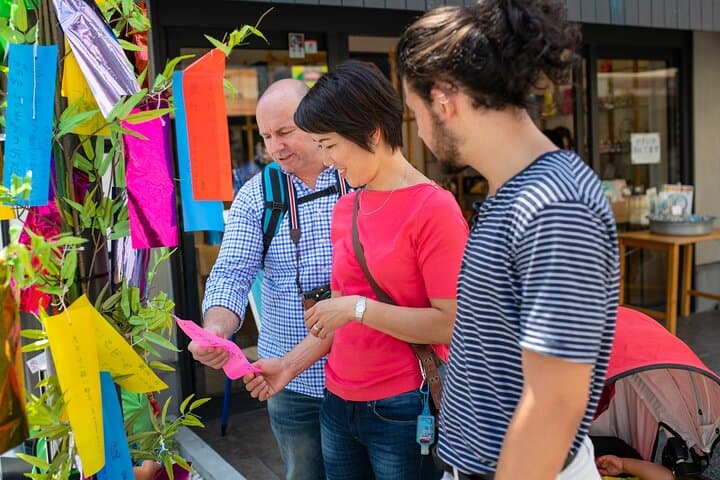
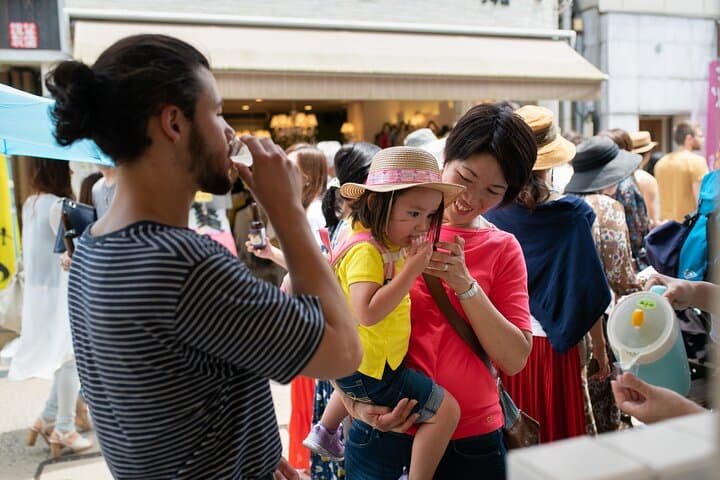
The morning train eases out of Tokyo and the air lightens—salt tang and pine on the breeze—as you arrive in Kamakura. Your local host meets you and the city unfolds: narrow streets that open onto temple courtyards, a bronze Great Buddha watching the sky, and paths that climb into forested ridgelines with views of Sagami Bay.
The morning train eases out of Tokyo and the air lightens—salt tang and pine on the breeze—as you arrive in Kamakura. Your local host meets you and the city unfolds: narrow streets that open onto temple courtyards, a bronze Great Buddha watching the sky, and paths that climb into forested ridgelines with views of Sagami Bay.
Kamakura was Japan’s political center in the 12th–14th centuries; samurai-era shrines and Zen temples like Engakuji and Hase-dera still shape the town’s rhythm. Geologically, the coastline here is a mix of low cliffs and sandy bays carved by wave action off the Kanto plain, while the wooded hills are part of the Miura Peninsula’s softer sedimentary folds. Culture is tangible—tea houses, shrine rituals, and Komachi-dori’s street food offering a modern counterpoint.
On a private, full-day outing with a Local, expect a tailored mix: temple visits, a bamboo grove pause at Hokokuji, coastal views, and short local hikes on well-maintained trails. Timing matters—hydrangeas peak in early summer and mornings are best for quieter temple visits. Wear supportive shoes and plan for up to 6–8 miles of walking total at a gentle-to-steady pace.
Practical tips: take the JR train from Tokyo for roughly an hour, bring a refillable water bottle, and carry cash for small shrine fees or tea-house matches. Your host will shape the day to your pace—whether you want history, coastal downtime, or a surf-shack beer before the return ride to Tokyo.