THE ADVENTURE COLLECTIVE® · Independent discovery and booking for outdoor travel

Walk Kamakura’s most atmospheric cherry blossom spots with a local guide — temples, a lively food street and a seaside finish in one compact half-day. Perfect for first-time visitors seeking culture, snacks and sakura photography.
Walk Kamakura’s most atmospheric cherry blossom spots with a local guide — temples, a lively food street and a seaside finish in one compact half-day. Perfect for first-time visitors seeking culture, snacks and sakura photography.
You step from the station into a corridor of pale pink: sakura branches bow together above the approach to Tsurugaoka Hachimangu, petals drifting like confetti in a cool spring wind.
Verified experiences and guided adventures in the surrounding area.
Operated by JewelTours.Japan · Kamakura, Kanagawa
You step from the station into a corridor of pale pink: sakura branches bow together above the approach to Tsurugaoka Hachimangu, petals drifting like confetti in a cool spring wind.
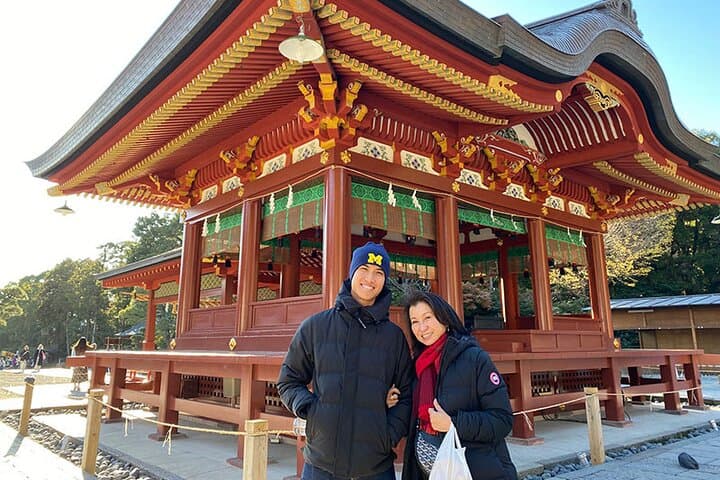
This half-day walking tour threads through Kamakura’s compact network of shrines, Zen temples and a lively market street, moving from the shrine’s avenue to Kencho‑ji, Hasedera’s gardens and the quieter courtyard at Tokeiji. The guide points out architectural details — curved eaves, mossed stone lanterns — and explains Kamakura’s role as Japan’s first military government in the 12th century and how that history sculpted the town’s compact layout.
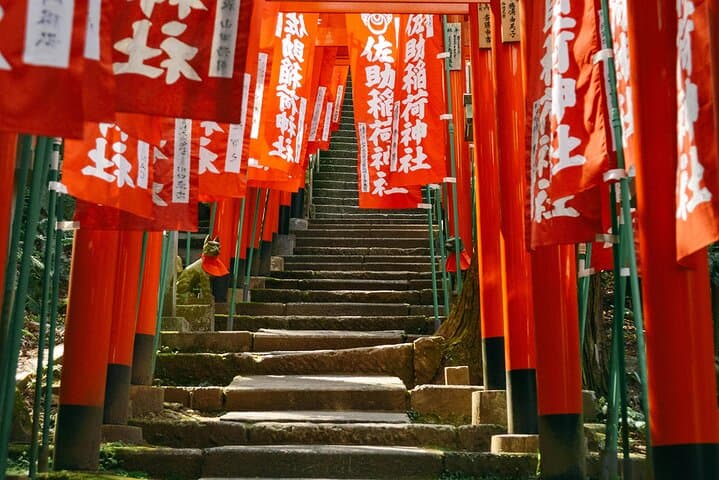
Geologically, Kamakura sits where low coastal hills fall to Sagami Bay; trails climb short stairs and terraces that were cut into ancient slopes, giving the temples both height and sweeping sea views. The tour balances culture and taste: expect sakura mochi and street snacks on Komachi Street and a bento break beneath weeping cherries while the ocean breezes cut through the blooms.
Practical notes: the route is mostly paved with some temple stairs — comfortable walking shoes are essential. Total distance is light but paced for photography and rest, about 3–4 hours door to door. The season is peak spring; mornings are best to avoid crowds. Guides provide local tips, train help and support beyond the tour, and the final stop can be a short walk along Yuigahama or Zaimokuza Beach for a contrast of blossoms and surf. Respect tree protections, carry small change for shrine offerings and enjoy a deliberately slow rhythm through Kamakura’s sakura-lined streets.
easy.
3–4 hours.
Suitable for most ability levels; involves standing and walking at a gentle pace with short stair climbs.
The meet point is typically near Tsurugaoka Hachimangu or Kamakura Station; the tour finishes at Yuigahama or Zaimokuza Beach for a short coastal stop.
Many central paths and Komachi Street are accessible, but some temple grounds have stairs—check with the operator for specific mobility needs.
The tour includes entry fees and a bento lunch as listed; check the booking for any optional purchases at stalls or souvenirs.
Tours run in variable weather; cancellations follow the provider policy. Guides adjust routes to optimize viewing if some trees are past peak.
Kamakura served as Japan’s political center during the Kamakura shogunate (1185–1333), leaving a dense concentration of samurai-era temples and shrines.
High footfall during sakura season stresses trees and grounds; stick to paths, pack out trash, and avoid placing tarps directly under root zones to protect soil and roots.
JewelTours.Japan operates guided outdoor trips and adventures with an emphasis on safety, stewardship, and memorable experiences.
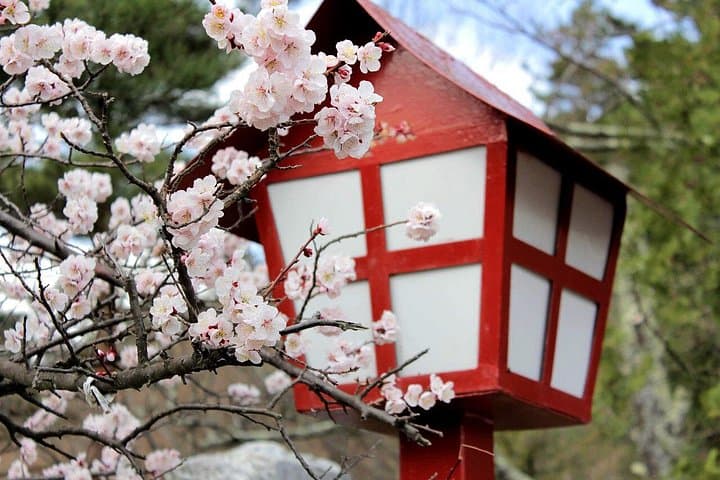
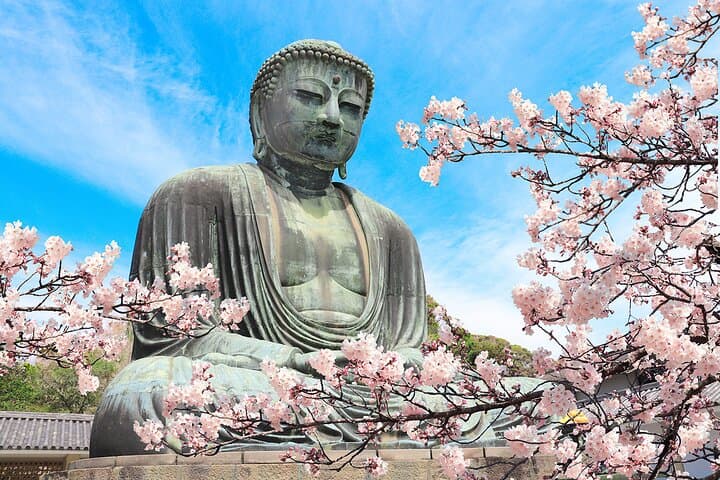
You step from the station into a corridor of pale pink: sakura branches bow together above the approach to Tsurugaoka Hachimangu, petals drifting like confetti in a cool spring wind.
You step from the station into a corridor of pale pink: sakura branches bow together above the approach to Tsurugaoka Hachimangu, petals drifting like confetti in a cool spring wind.
This half-day walking tour threads through Kamakura’s compact network of shrines, Zen temples and a lively market street, moving from the shrine’s avenue to Kencho‑ji, Hasedera’s gardens and the quieter courtyard at Tokeiji. The guide points out architectural details — curved eaves, mossed stone lanterns — and explains Kamakura’s role as Japan’s first military government in the 12th century and how that history sculpted the town’s compact layout.
Geologically, Kamakura sits where low coastal hills fall to Sagami Bay; trails climb short stairs and terraces that were cut into ancient slopes, giving the temples both height and sweeping sea views. The tour balances culture and taste: expect sakura mochi and street snacks on Komachi Street and a bento break beneath weeping cherries while the ocean breezes cut through the blooms.
Practical notes: the route is mostly paved with some temple stairs — comfortable walking shoes are essential. Total distance is light but paced for photography and rest, about 3–4 hours door to door. The season is peak spring; mornings are best to avoid crowds. Guides provide local tips, train help and support beyond the tour, and the final stop can be a short walk along Yuigahama or Zaimokuza Beach for a contrast of blossoms and surf. Respect tree protections, carry small change for shrine offerings and enjoy a deliberately slow rhythm through Kamakura’s sakura-lined streets.