THE ADVENTURE COLLECTIVE® · Independent discovery and booking for outdoor travel

Spend a full day following a local guide through Kamakura’s best cherry blossom spots, from shrine avenues to coastal views. This eight‑hour walking tour balances history, garden strolls and a relaxed bento lunch beneath blooming sakura.
Spend a full day following a local guide through Kamakura’s best cherry blossom spots, from shrine avenues to coastal views. This eight‑hour walking tour balances history, garden strolls and a relaxed bento lunch beneath blooming sakura.
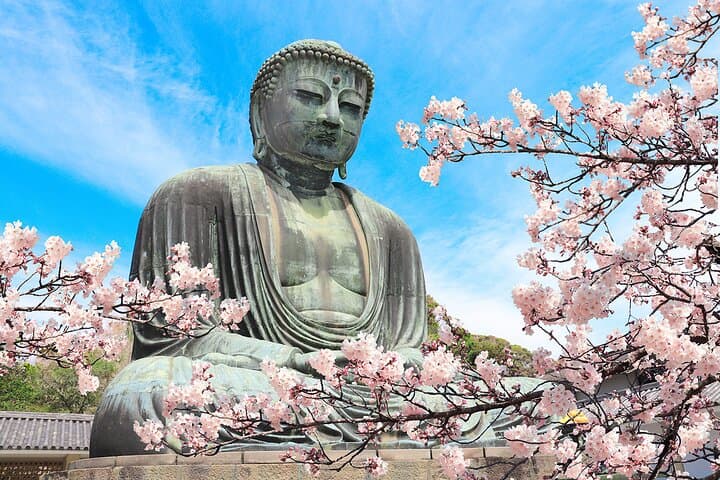
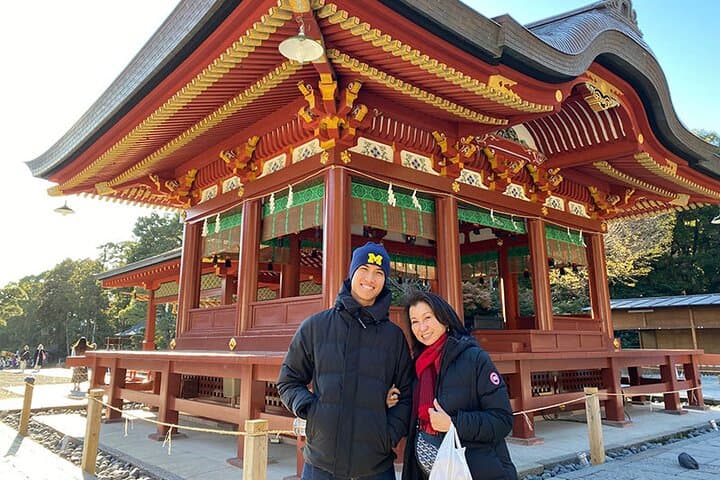
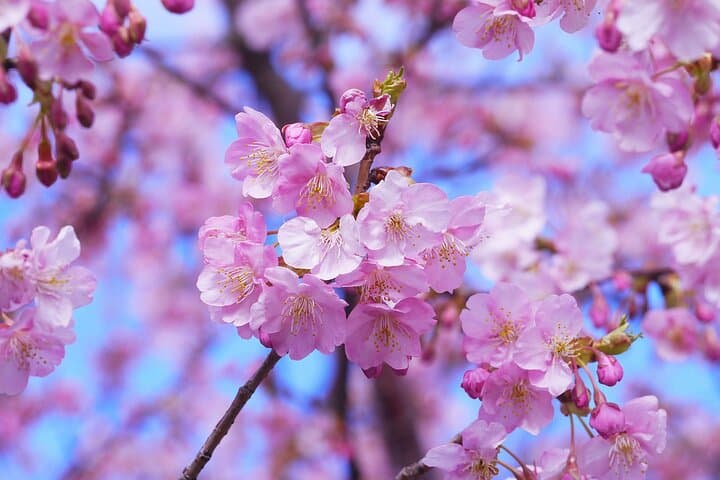
The day opens with a slow, deliberate walk beneath tunnels of pale pink: sakura branches lean over stone paths as the guide leads you from Tsurugaoka Hachimangu toward quieter temple gardens. Sea air drifts in from the nearby coastline and the rhythm of footfalls mixes with the soft rustle of petals falling like a gentle applause.
Verified experiences and guided adventures in the surrounding area.
Operated by JewelTours.Japan · Kamakura, Kanagawa
The day opens with a slow, deliberate walk beneath tunnels of pale pink: sakura branches lean over stone paths as the guide leads you from Tsurugaoka Hachimangu toward quieter temple gardens. Sea air drifts in from the nearby coastline and the rhythm of footfalls mixes with the soft rustle of petals falling like a gentle applause.
Kamakura was Japan’s political center during the 12th–14th century; its temples, shrines and coastal bluffs reflect a compact history of samurai power and Zen practice. The geology is coastal sandstone and marine terraces—short climbs, stone steps and garden ponds carved into hillside terraces—so views open quickly from forested temple approaches to ocean panoramas. Cultural touches are immediate: wooden torii gates, incense smoke at altars and the practicality of a bento lunch under a cherry tree.
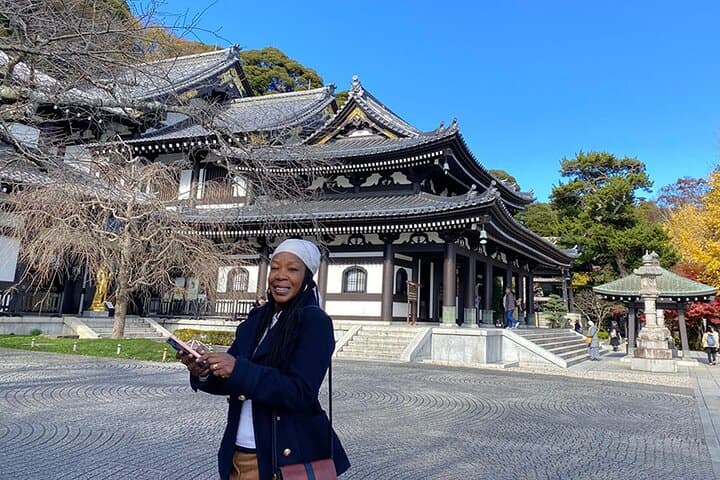
Expect a paced, 8‑hour walking loop that combines major shrines (Tsurugaoka Hachimangu), Zen monasteries (Kencho‑ji, Engaku‑ji), Hasedera’s gardens and optional seaside stops at Yuigahama. Local guides share seasonal lore—when weeping cherries bloom a little earlier—and tips for hanami etiquette.
Practical guidance: wear broken‑in walking shoes and bring a compact rain layer; many temple grounds have steps and uneven stone. Carry small change for shrine offerings and snacks on Komachi Street, and plan lightweight layers—spring in Kanagawa can shift from cool mornings to warm afternoons. Hydrate steadily and move with the crowd: cherry blossom season draws large numbers, so allow extra time for photo stops and restroom breaks.
easy.
8 hours.
Suitable for anyone who can walk 4–6 miles over varied terrain and climb short flights of steps; frequent stops reduce exertion.
No; the tour typically meets in Kamakura and public transport is used—bring an IC train card or buy a ticket for travel from Tokyo.
Yes; the itinerary includes a traditional bento lunch and cold drinks, with opportunities to enjoy beer if you choose.
Many temple areas are wheelchair and stroller accessible, but some sections have steps—check with the operator in advance for specific assistance.
Reserve for late March to early April and watch local forecasts—full bloom windows are short and tours fill quickly during peak dates.
Kamakura served as the seat of the Kamakura shogunate (1185–1333), leaving a dense concentration of Zen temples and samurai‑era relics within a compact coastal landscape.
Hanami pressure can damage trees—stay on paths, avoid leaning on branches, and carry out any trash; many sites follow strict rules to protect historic gardens.
JewelTours.Japan operates guided outdoor trips and adventures with an emphasis on safety, stewardship, and memorable experiences.
The day opens with a slow, deliberate walk beneath tunnels of pale pink: sakura branches lean over stone paths as the guide leads you from Tsurugaoka Hachimangu toward quieter temple gardens. Sea air drifts in from the nearby coastline and the rhythm of footfalls mixes with the soft rustle of petals falling like a gentle applause.
The day opens with a slow, deliberate walk beneath tunnels of pale pink: sakura branches lean over stone paths as the guide leads you from Tsurugaoka Hachimangu toward quieter temple gardens. Sea air drifts in from the nearby coastline and the rhythm of footfalls mixes with the soft rustle of petals falling like a gentle applause.
Kamakura was Japan’s political center during the 12th–14th century; its temples, shrines and coastal bluffs reflect a compact history of samurai power and Zen practice. The geology is coastal sandstone and marine terraces—short climbs, stone steps and garden ponds carved into hillside terraces—so views open quickly from forested temple approaches to ocean panoramas. Cultural touches are immediate: wooden torii gates, incense smoke at altars and the practicality of a bento lunch under a cherry tree.
Expect a paced, 8‑hour walking loop that combines major shrines (Tsurugaoka Hachimangu), Zen monasteries (Kencho‑ji, Engaku‑ji), Hasedera’s gardens and optional seaside stops at Yuigahama. Local guides share seasonal lore—when weeping cherries bloom a little earlier—and tips for hanami etiquette.
Practical guidance: wear broken‑in walking shoes and bring a compact rain layer; many temple grounds have steps and uneven stone. Carry small change for shrine offerings and snacks on Komachi Street, and plan lightweight layers—spring in Kanagawa can shift from cool mornings to warm afternoons. Hydrate steadily and move with the crowd: cherry blossom season draws large numbers, so allow extra time for photo stops and restroom breaks.