THE ADVENTURE COLLECTIVE® · Independent discovery and booking for outdoor travel

Spend a half-day in Kalutara turning market finds into a Sri Lankan meal. This market-to-table cooking class combines a fish-market walk, spice selection and hands-on instruction, ending with a shared lunch.
Spend a half-day in Kalutara turning market finds into a Sri Lankan meal. This market-to-table cooking class combines a fish-market walk, spice selection and hands-on instruction, ending with a shared lunch.
You step out of an air-conditioned vehicle into a warm Kalutara morning, garden herbs scenting the breeze while the ocean’s pulse sits just beyond the palms. At the White Isle Hotel the class begins with a quick round of choices — fish or vegetarian curry — then moves into the market: a bustle of chilies, pandan leaves and fish still glossy from the docks.
Verified experiences and guided adventures in the surrounding area.
Operated by Asya Tours · Kalutara, Western Province
You step out of an air-conditioned vehicle into a warm Kalutara morning, garden herbs scenting the breeze while the ocean’s pulse sits just beyond the palms. At the White Isle Hotel the class begins with a quick round of choices — fish or vegetarian curry — then moves into the market: a bustle of chilies, pandan leaves and fish still glossy from the docks.
Sri Lanka’s southwest coast has fed communities for centuries; colonial trade routes amplified spice gardens and coastal fisheries that define the island’s flavors today. Geologically the area is low-lying coastal plain where the Kalu Ganga and Indian Ocean meet, and the coastal soils favor coconut and rice — staples that anchor the dishes you’ll make.
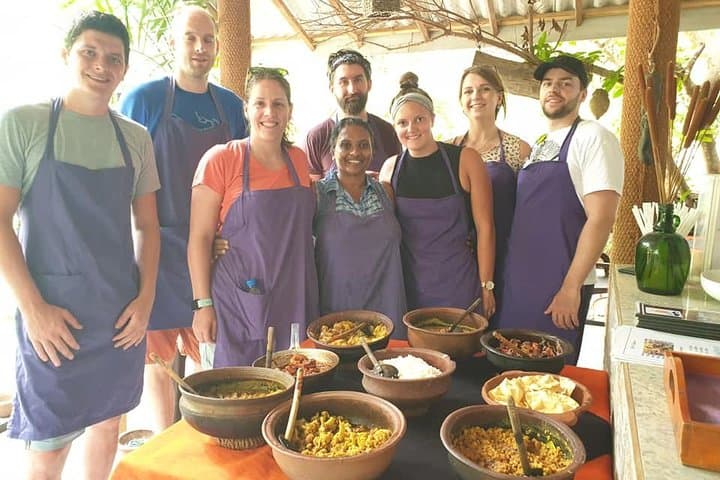
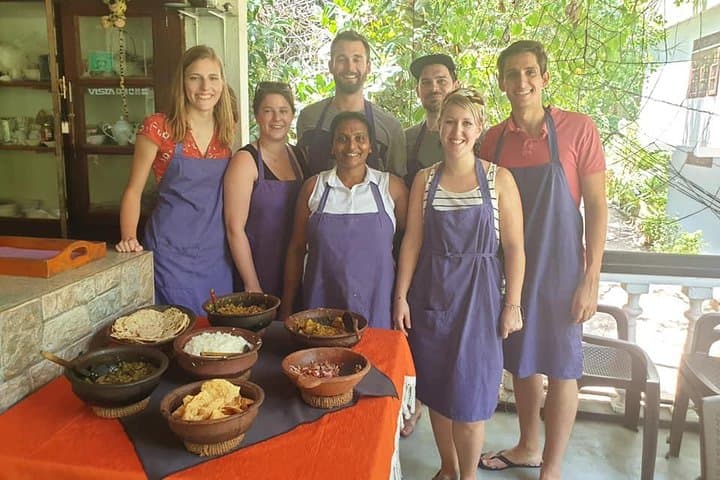
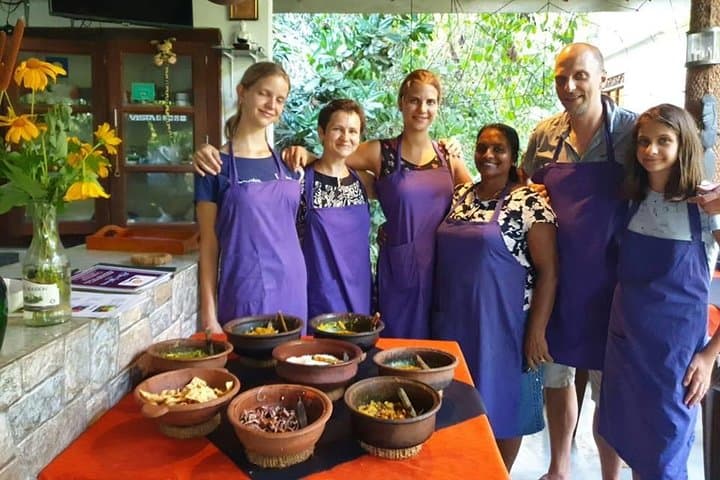
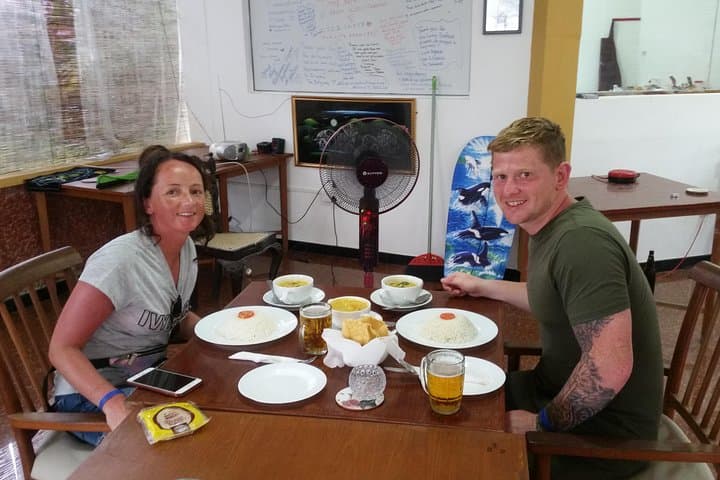
Cultural notes are practical: curries balance heat, acidity and coconut; sambol and dhal are everyday companions; and gotu kola is used fresh as a leafy relish. The itinerary pairs a market walk and fish market visit with hands-on cooking in a garden-facing kitchen, culminating in a shared meal of fish curry, dhal, pumpkin curry, rice and curd with honey.
Practical guidance: expect about four hours total, bring sun protection and small local currency for market purchases, and disclose dietary restrictions in advance. The session is friendly to beginners — you’ll chop, grind spices and plate your meal with local tips on timing and textures. It’s a compact, sensory way to take Sri Lankan cooking home with you.
easy.
4 hours.
Suitable for most fitness levels; requires standing, light walking and basic kitchen movement.
The experience runs about four hours, including the market visit and a sit-down meal.
Private, air-conditioned transportation is included; pickup details are requested at booking.
Yes—inform the operator when booking so vegetarian ingredients and proteins can be arranged.
No prior experience is required; instructors will guide you through knife skills, spice grinding and timing.
Kalutara’s coastal economy built around coconut, rice and fisheries has long connected local foodways to spice routes introduced during colonial trade.
Choose sustainably caught fish where possible and minimize plastic by using reusable bags; local markets are increasingly responsive to waste reduction.
Asya Tours operates guided outdoor trips and adventures with an emphasis on safety, stewardship, and memorable experiences.
You step out of an air-conditioned vehicle into a warm Kalutara morning, garden herbs scenting the breeze while the ocean’s pulse sits just beyond the palms. At the White Isle Hotel the class begins with a quick round of choices — fish or vegetarian curry — then moves into the market: a bustle of chilies, pandan leaves and fish still glossy from the docks.
You step out of an air-conditioned vehicle into a warm Kalutara morning, garden herbs scenting the breeze while the ocean’s pulse sits just beyond the palms. At the White Isle Hotel the class begins with a quick round of choices — fish or vegetarian curry — then moves into the market: a bustle of chilies, pandan leaves and fish still glossy from the docks.
Sri Lanka’s southwest coast has fed communities for centuries; colonial trade routes amplified spice gardens and coastal fisheries that define the island’s flavors today. Geologically the area is low-lying coastal plain where the Kalu Ganga and Indian Ocean meet, and the coastal soils favor coconut and rice — staples that anchor the dishes you’ll make.
Cultural notes are practical: curries balance heat, acidity and coconut; sambol and dhal are everyday companions; and gotu kola is used fresh as a leafy relish. The itinerary pairs a market walk and fish market visit with hands-on cooking in a garden-facing kitchen, culminating in a shared meal of fish curry, dhal, pumpkin curry, rice and curd with honey.
Practical guidance: expect about four hours total, bring sun protection and small local currency for market purchases, and disclose dietary restrictions in advance. The session is friendly to beginners — you’ll chop, grind spices and plate your meal with local tips on timing and textures. It’s a compact, sensory way to take Sri Lankan cooking home with you.