THE ADVENTURE COLLECTIVE® · Independent discovery and booking for outdoor travel

Escape Colombo for a full-day cultural loop: the hollow stupa of Kalutara Vihara, Geoffrey Bawa’s Lunuganga gardens, and a quick coastal orientation. Expect easy walking, garden paths and a deep dose of Sri Lankan architectural history.
Escape Colombo for a full-day cultural loop: the hollow stupa of Kalutara Vihara, Geoffrey Bawa’s Lunuganga gardens, and a quick coastal orientation. Expect easy walking, garden paths and a deep dose of Sri Lankan architectural history.
A humid morning ride south from Colombo puts the Indian Ocean to your right and the river-lined paddy plain to your left as the city drops away.
Verified experiences and guided adventures in the surrounding area.
Operated by Ceylon Travel Dream · Kalutara, Western Province
A humid morning ride south from Colombo puts the Indian Ocean to your right and the river-lined paddy plain to your left as the city drops away.
First stop: Kalutara Vihara, its three-story hollow dagoba rising like a white drum above coconut roofs. Step inside to find painted panels that narrate scenes from the Buddha’s life; the structure’s unusual hollow design makes it an intimate, moving shrine rather than a distant monument.
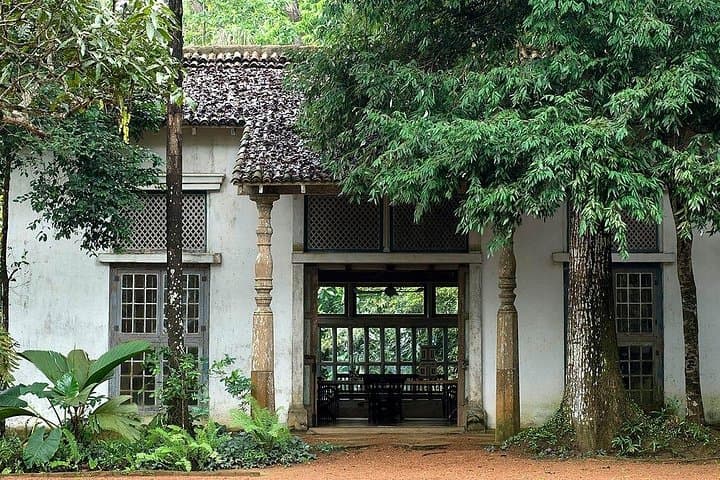
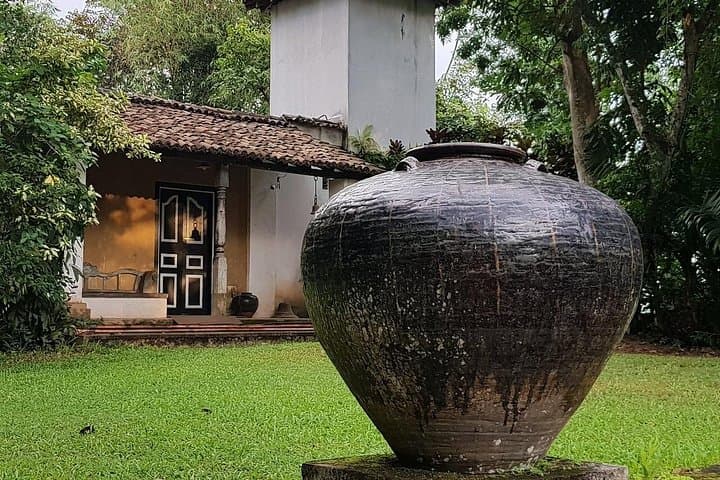
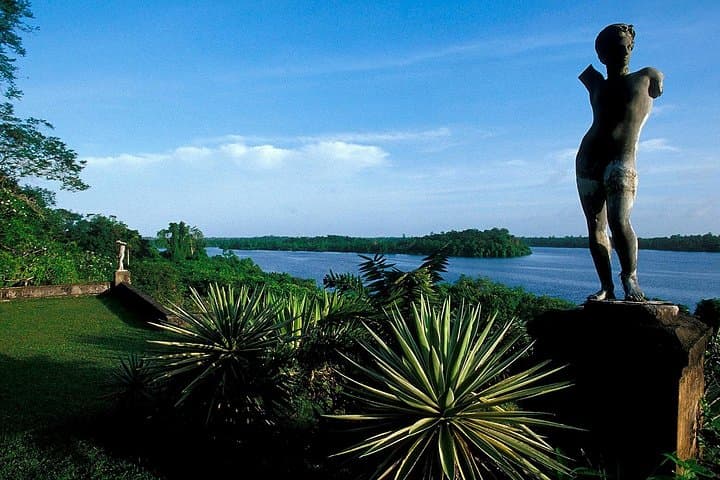
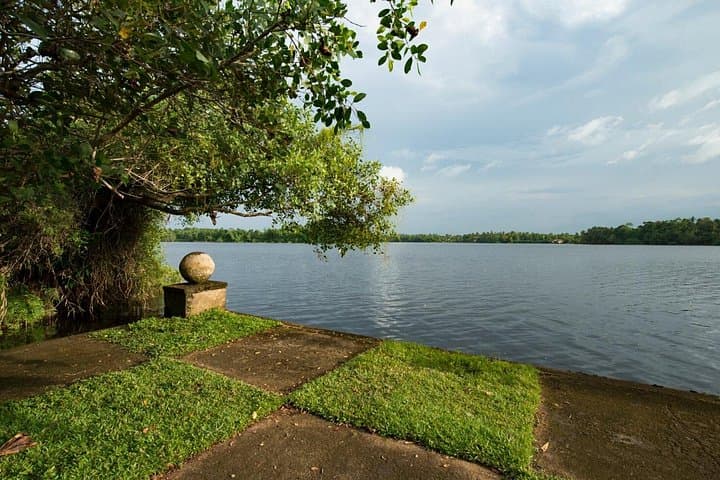
Drive on to Lunuganga Estate, Geoffrey Bawa’s experimental garden and design laboratory. Paths thread between reconstructed colonial buildings, water terraces and sculpted lawns where Bawa tested ideas about indoor-outdoor living, material contrasts and sightlines that frame a distant river or tree.
Geology here is straightforward — low-lying coastal plain of alluvial sands and coral outcrops where estuaries meet the sea — but the human layers are rich: Theravada Buddhist practice around Kalutara and mid-20th-century modernist architecture at Lunuganga.
Practical guidance: the day runs about 10–12 hours with mostly level walking on garden tracks, stone steps and temple courts. Dress modestly for the temple (shoulders and knees covered), bring sun protection and a light rain jacket in the monsoon months, and carry small bills for entrance fees, tips and refreshments. Expect easy walking ability to be sufficient, but wear comfortable closed shoes for uneven paths. The tour is private, includes an English-speaking guide and air-conditioned transport — a compact cultural day that balances coastal scenery with architectural history.
easy.
10–12 hours.
Suitable for most fitness levels—requires several short walks and some standing during visits
Lunch is not listed as included; most itineraries stop at a local restaurant where you can buy a meal—confirm with the operator before travel.
The tour inclusions do not specify admission fees; plan to pay modest entrance charges on-site in cash if required.
Yes—the tour offers hotel pickup in Colombo; you'll confirm a pickup point and time when booking.
No—walking is short and on mostly level ground; there is minimal elevation gain suitable for most travelers.
Kalutara has long been a coastal Buddhist pilgrimage center; Lunuganga is Geoffrey Bawa’s lifelong garden project and an influential site in South Asian modernist architecture.
Visitors should stick to paths at Lunuganga to protect delicate plantings and refrain from feeding wildlife; coastal development pressures make responsible tourism important in Kalutara district.
Ceylon Travel Dream operates guided outdoor trips and adventures with an emphasis on safety, stewardship, and memorable experiences.
A humid morning ride south from Colombo puts the Indian Ocean to your right and the river-lined paddy plain to your left as the city drops away.
A humid morning ride south from Colombo puts the Indian Ocean to your right and the river-lined paddy plain to your left as the city drops away.
First stop: Kalutara Vihara, its three-story hollow dagoba rising like a white drum above coconut roofs. Step inside to find painted panels that narrate scenes from the Buddha’s life; the structure’s unusual hollow design makes it an intimate, moving shrine rather than a distant monument.
Drive on to Lunuganga Estate, Geoffrey Bawa’s experimental garden and design laboratory. Paths thread between reconstructed colonial buildings, water terraces and sculpted lawns where Bawa tested ideas about indoor-outdoor living, material contrasts and sightlines that frame a distant river or tree.
Geology here is straightforward — low-lying coastal plain of alluvial sands and coral outcrops where estuaries meet the sea — but the human layers are rich: Theravada Buddhist practice around Kalutara and mid-20th-century modernist architecture at Lunuganga.
Practical guidance: the day runs about 10–12 hours with mostly level walking on garden tracks, stone steps and temple courts. Dress modestly for the temple (shoulders and knees covered), bring sun protection and a light rain jacket in the monsoon months, and carry small bills for entrance fees, tips and refreshments. Expect easy walking ability to be sufficient, but wear comfortable closed shoes for uneven paths. The tour is private, includes an English-speaking guide and air-conditioned transport — a compact cultural day that balances coastal scenery with architectural history.