THE ADVENTURE COLLECTIVE® · Independent discovery and booking for outdoor travel

Short trips from Alankuda Beach take you to deep water without long runs offshore. Expect blue, Bryde’s and occasional sperm whales, guided by local naturalists who know the shelf currents and feeding lanes.
Short trips from Alankuda Beach take you to deep water without long runs offshore. Expect blue, Bryde’s and occasional sperm whales, guided by local naturalists who know the shelf currents and feeding lanes.
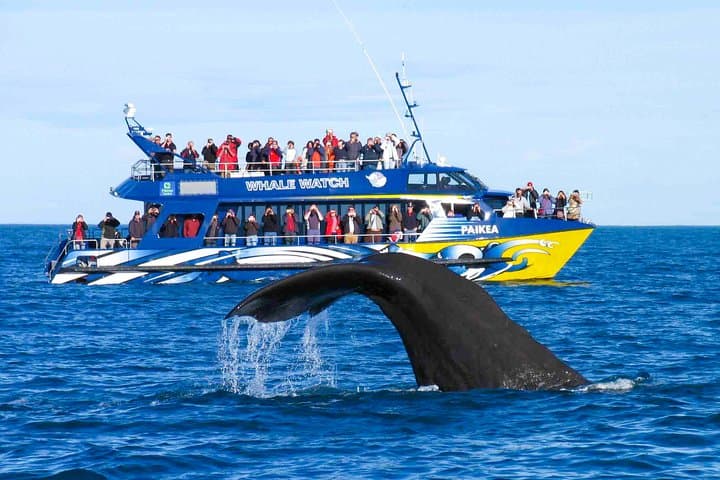
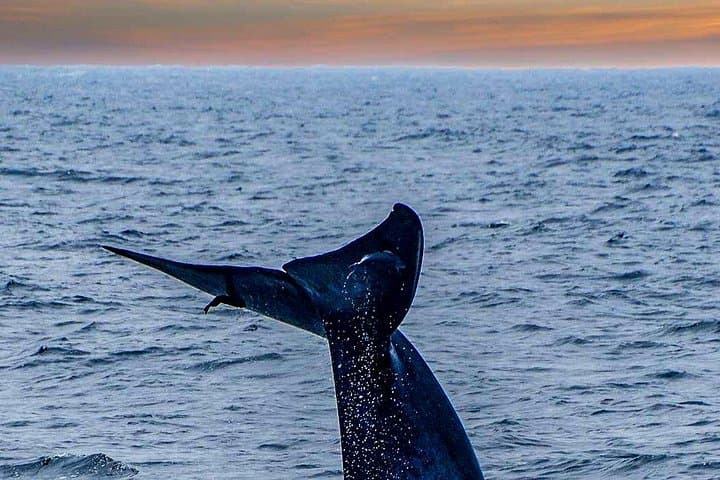
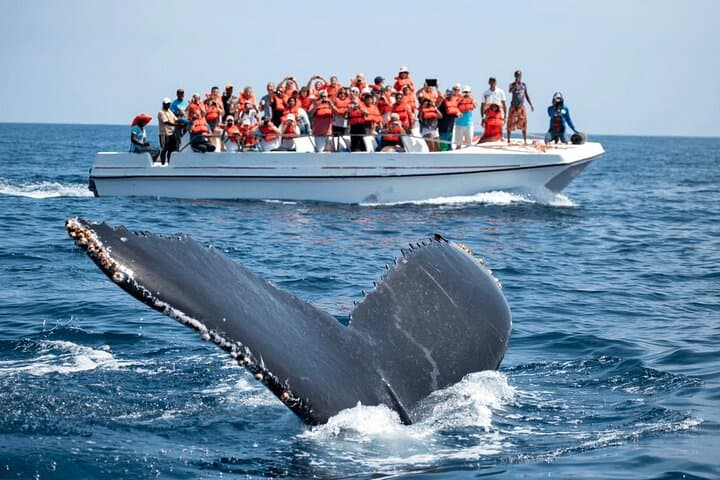
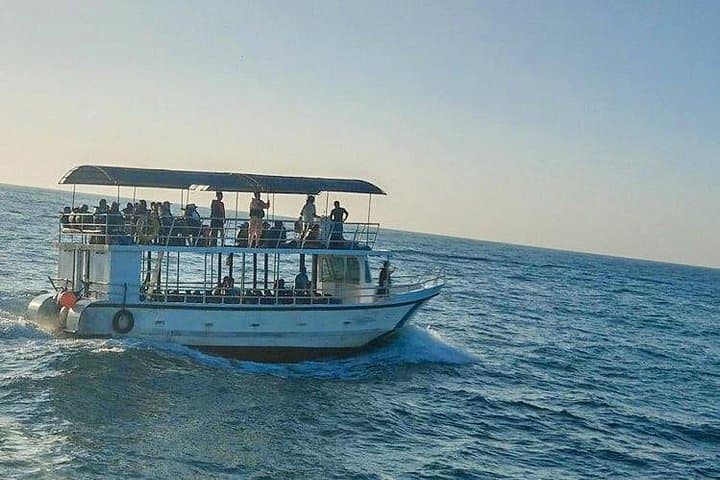
Morning light strips the mangroves in the Kalpitiya lagoon and, within an hour, the ocean opens up like a different weather. On a private boat off Alankuda Beach the sea feels active—currents pulling at the hull, a line of dorsal fins cutting the surface, and then the slow, immense exhale of a blue whale as it breaks the horizon. The continental shelf runs unusually close here, so sightings can occur a few kilometres from shore rather than after a long offshore run.
Verified experiences and guided adventures in the surrounding area.
Operated by Lakpura LLC · Kalpitiya, North Western Province
Morning light strips the mangroves in the Kalpitiya lagoon and, within an hour, the ocean opens up like a different weather. On a private boat off Alankuda Beach the sea feels active—currents pulling at the hull, a line of dorsal fins cutting the surface, and then the slow, immense exhale of a blue whale as it breaks the horizon. The continental shelf runs unusually close here, so sightings can occur a few kilometres from shore rather than after a long offshore run.
This stretch of Sri Lanka’s northwestern coast has long supported fishing communities and seasonal cetacean migrations. Geologically the shelf drop-off concentrates krill and small fish, drawing Bryde’s whales, blue whales and occasional sperm whales; toothed whales and several dolphin species patrol the deeper lanes. Local boatmen and marine naturalists—who combine modern charts with decades of local observation—are central to the experience.
Expect a 4‑hour excursion: briefing, transit, searching, and return. The ride can be choppy; binoculars, a respectful distance, and patience increase your odds. Operators typically brief on species ID and responsible viewing—no approaching calves or circling animals.
Practical tips: aim for early morning for flatter seas and fresher light; bring layered sun protection, motion-sickness remedies, and a refillable water bottle. Keep a camera ready but respect crew instructions; sightings are wild and never guaranteed, but the proximity of the shelf gives this area among Sri Lanka’s best odds at seeing large baleen whales within sight of the coastline.
easy.
4 hours.
Light activity; suitable for people comfortable boarding small boats and standing for short periods
Peak sightings are generally during the dry season and transition months when plankton concentrates near the shelf—many operators run tours year-round but morning trips in the drier months improve odds.
Because the continental shelf comes close, large baleen whales are often seen roughly 2–5 km from shore between Norochcholai and Talawila, though exact distances vary by season and prey distribution.
No—sightings are never guaranteed. Experienced naturalists and local knowledge increase success, but whales are wild animals and conditions change daily.
This listing offers a private-boat option; shared tours are small (up to 8 people). Confirm with the operator whether your booking is private or shared and the maximum passenger count.
The Kalpitiya coast is shaped by centuries of fishing, salt production and colonial trade; local knowledge of tides and currents guides modern whale-spotting routes.
Operators follow responsible viewing codes to minimize disturbance; choose companies that brief on no-chase policies and use fuel-efficient routes to reduce impact.
Lakpura LLC operates guided outdoor trips and adventures with an emphasis on safety, stewardship, and memorable experiences.
Morning light strips the mangroves in the Kalpitiya lagoon and, within an hour, the ocean opens up like a different weather. On a private boat off Alankuda Beach the sea feels active—currents pulling at the hull, a line of dorsal fins cutting the surface, and then the slow, immense exhale of a blue whale as it breaks the horizon. The continental shelf runs unusually close here, so sightings can occur a few kilometres from shore rather than after a long offshore run.
Morning light strips the mangroves in the Kalpitiya lagoon and, within an hour, the ocean opens up like a different weather. On a private boat off Alankuda Beach the sea feels active—currents pulling at the hull, a line of dorsal fins cutting the surface, and then the slow, immense exhale of a blue whale as it breaks the horizon. The continental shelf runs unusually close here, so sightings can occur a few kilometres from shore rather than after a long offshore run.
This stretch of Sri Lanka’s northwestern coast has long supported fishing communities and seasonal cetacean migrations. Geologically the shelf drop-off concentrates krill and small fish, drawing Bryde’s whales, blue whales and occasional sperm whales; toothed whales and several dolphin species patrol the deeper lanes. Local boatmen and marine naturalists—who combine modern charts with decades of local observation—are central to the experience.
Expect a 4‑hour excursion: briefing, transit, searching, and return. The ride can be choppy; binoculars, a respectful distance, and patience increase your odds. Operators typically brief on species ID and responsible viewing—no approaching calves or circling animals.
Practical tips: aim for early morning for flatter seas and fresher light; bring layered sun protection, motion-sickness remedies, and a refillable water bottle. Keep a camera ready but respect crew instructions; sightings are wild and never guaranteed, but the proximity of the shelf gives this area among Sri Lanka’s best odds at seeing large baleen whales within sight of the coastline.