THE ADVENTURE COLLECTIVE® · Independent discovery and booking for outdoor travel

Walk from the pine-scented hills above Kalaw down to Inle Lake over two days of village trails, terrace views and a concluding boat crossing past floating gardens. This overnight trek mixes Shan highland culture, simple homestays and a panorama of traditional lake life.
Walk from the pine-scented hills above Kalaw down to Inle Lake over two days of village trails, terrace views and a concluding boat crossing past floating gardens. This overnight trek mixes Shan highland culture, simple homestays and a panorama of traditional lake life.
A cool mountain breeze meets your face as you step away from Kalaw’s dusty market and into rice terraces that roll like low waves toward the lake. The first day moves through upland farms and shaded trails—three hours to a simple lunch, another three to a village where a traditional Shan farmhouse becomes basecamp. At night, the house settles around you: clucking chickens, stove heat, and local voices exchanging the day’s small stories.
Verified experiences and guided adventures in the surrounding area.
Operated by Rohit Kalaw Trekking · Kalaw, Shan State
A cool mountain breeze meets your face as you step away from Kalaw’s dusty market and into rice terraces that roll like low waves toward the lake. The first day moves through upland farms and shaded trails—three hours to a simple lunch, another three to a village where a traditional Shan farmhouse becomes basecamp. At night, the house settles around you: clucking chickens, stove heat, and local voices exchanging the day’s small stories.
This route threads classic Shan State geography: eroded volcanic soils, layered hills, and the gradual slope down to Inle’s basin. The trek passes small villages shaped by Tibeto-Burman and Shan cultures; families farm legumes, tomatoes, and the vegetables that feed lake markets. Inle itself is famed for its floating gardens—man-made islands of buoyant soil and a living fishing culture where leg-rowing fishermen still hunt with practiced balance.
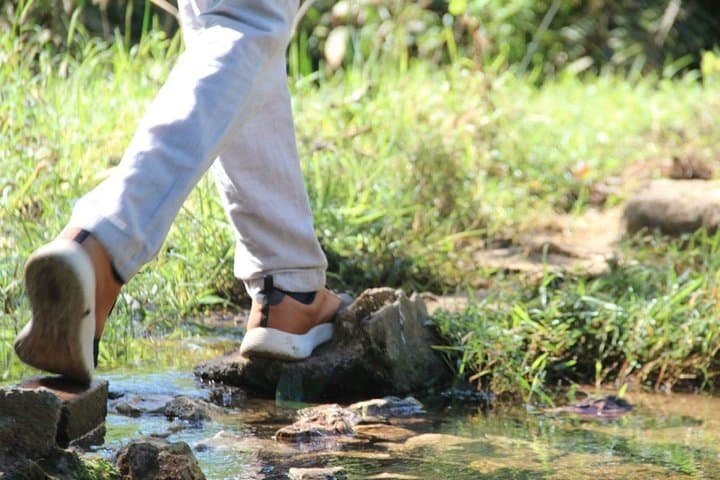
Practical guidance: plan for 30–35 km over two days with roughly 8–10 hours of walking total. Trails range from packed dirt tracks to steeper, rocky sections—expect mud after rain and uneven village approaches. You’ll transfer by taxi 40 minutes at the start and finish with a 1.5-hour boat ride to Nyaung Shwe after day two’s lakeside lunch.
Bring layered clothing for cool highland mornings, a sturdy pair of hiking shoes, and at least 2–3 liters of water per day. Entrance fees to national sites and drinks aren’t included, and the route is best for people with moderate fitness. Travel respectfully: these are working villages—observe local customs, pack out waste, and support village-run homestays when possible.
moderate.
2 days (8–10 hours walking total).
Moderate fitness—comfortable with sustained walking on uneven trails and some uphill/downhill sections
About 30–35 km over two days; expect roughly 8–10 hours of walking total split across two days.
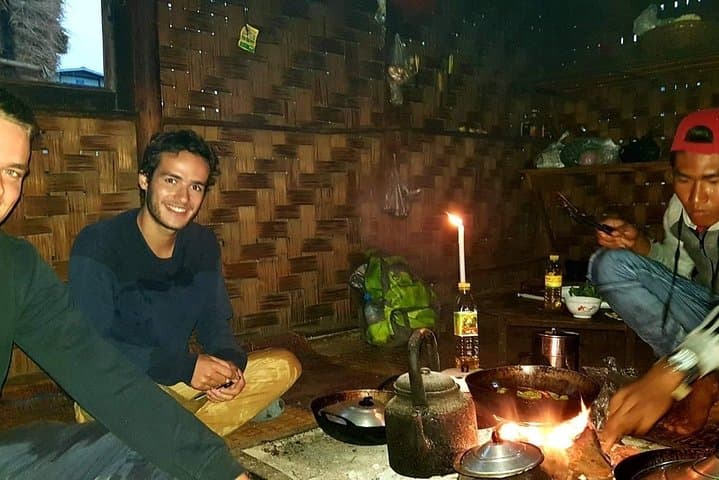
You stay in a traditional Shan farmhouse homestay—simple shared rooms or mats, home-cooked meals and basic facilities.
No—drinks and any entrance fees are not included; bring local currency for purchases and site fees.
Suitable for hikers with moderate fitness; it is not recommended for pregnant travelers or those with serious back or heart conditions.
Shan State has long been a mosaic of upland farming communities; Inle’s floating gardens evolved over centuries as an adaptive agricultural tradition on the lake.
Inle faces pressures from pollution, invasive species and overdevelopment—pack out waste, limit single-use plastics, and choose local homestays to support community conservation.
Rohit Kalaw Trekking operates guided outdoor trips and adventures with an emphasis on safety, stewardship, and memorable experiences.
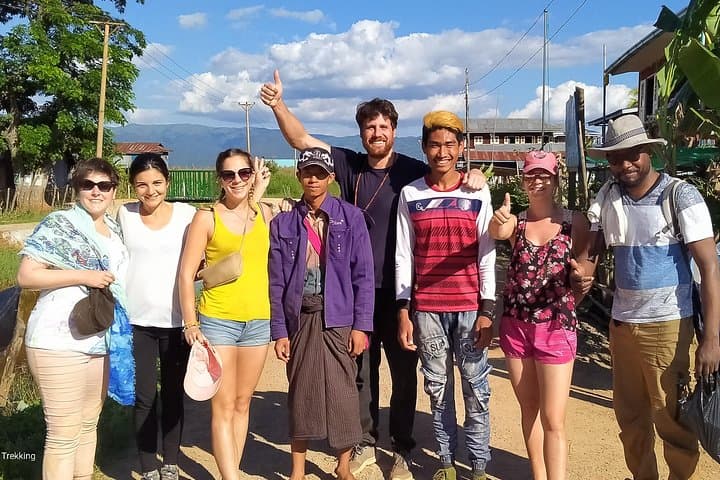
A cool mountain breeze meets your face as you step away from Kalaw’s dusty market and into rice terraces that roll like low waves toward the lake. The first day moves through upland farms and shaded trails—three hours to a simple lunch, another three to a village where a traditional Shan farmhouse becomes basecamp. At night, the house settles around you: clucking chickens, stove heat, and local voices exchanging the day’s small stories.
A cool mountain breeze meets your face as you step away from Kalaw’s dusty market and into rice terraces that roll like low waves toward the lake. The first day moves through upland farms and shaded trails—three hours to a simple lunch, another three to a village where a traditional Shan farmhouse becomes basecamp. At night, the house settles around you: clucking chickens, stove heat, and local voices exchanging the day’s small stories.
This route threads classic Shan State geography: eroded volcanic soils, layered hills, and the gradual slope down to Inle’s basin. The trek passes small villages shaped by Tibeto-Burman and Shan cultures; families farm legumes, tomatoes, and the vegetables that feed lake markets. Inle itself is famed for its floating gardens—man-made islands of buoyant soil and a living fishing culture where leg-rowing fishermen still hunt with practiced balance.
Practical guidance: plan for 30–35 km over two days with roughly 8–10 hours of walking total. Trails range from packed dirt tracks to steeper, rocky sections—expect mud after rain and uneven village approaches. You’ll transfer by taxi 40 minutes at the start and finish with a 1.5-hour boat ride to Nyaung Shwe after day two’s lakeside lunch.
Bring layered clothing for cool highland mornings, a sturdy pair of hiking shoes, and at least 2–3 liters of water per day. Entrance fees to national sites and drinks aren’t included, and the route is best for people with moderate fitness. Travel respectfully: these are working villages—observe local customs, pack out waste, and support village-run homestays when possible.