THE ADVENTURE COLLECTIVE® · Independent discovery and booking for outdoor travel

A 2–3 day guided trek from Kalaw through pine forests, rice terraces and hill-tribe villages. Expect steady climbs, cultural encounters, and multi-day logistics handled by an experienced local guide.
A 2–3 day guided trek from Kalaw through pine forests, rice terraces and hill-tribe villages. Expect steady climbs, cultural encounters, and multi-day logistics handled by an experienced local guide.
A cool mountain morning in Kalaw opens with mist clinging to pine trunks and the distant call of village dogs. You step off the main road and the track immediately becomes elemental — loose soil, stone pitches, and terraces sliding away into patchwork rice fields. The guide sets the pace: steady, observant, conversational.
Verified experiences and guided adventures in the surrounding area.
Operated by Excellent Trekking · Kalaw, Shan State
A cool mountain morning in Kalaw opens with mist clinging to pine trunks and the distant call of village dogs. You step off the main road and the track immediately becomes elemental — loose soil, stone pitches, and terraces sliding away into patchwork rice fields. The guide sets the pace: steady, observant, conversational.
This region of northern Shan State sits on an elevated plateau that once drew British colonial officers to its temperate air; its foothills are carved from volcanic and sedimentary rocks that give rise to red-hued soils and ridgelines of pine and mixed broadleaf forest. Local Pa-O and Danu communities farm hill slopes, tend tea and flowers, and maintain village clusters connected by single-track trails.
Expect a mix of shaded forest walks, repeated small ascents and descents over ridges, and long stretches across cultivated terraces that reveal how people shape the land. Cultural moments — a roadside vegetable market, homes with woven fences, a shared cup of tea — are as central to the trek as the scenery.
Practical guidance: this multi-day trek covers uneven terrain and regular elevation changes; pack layered clothing, a solid pair of boots, and a daypack. Water treatment and sun protection are essential; sanitation is basic in villages. Walk in the cooler hours, and use midday breaks for food and rest. Guides typically manage luggage transfer and local logistics, leaving you free to move and to observe local life. For planners: confirm exact itinerary, accommodation standard, and weather windows before booking.
moderate.
2–3 days (≈58 hours).
Good basic fitness with ability to handle repeated ascents/descents and 4–6 hour walking days.
The advertised itinerary runs roughly 2–3 days with 4–6 hour walking days; expect moderate exertion with frequent short climbs and uneven footing.
Yes — local guesthouses or homestays are typically arranged; standards are basic but clean; confirm specifics with the operator.
Kalaw sits around 1,300–1,400m; most people do fine, but move at a comfortable pace and stay hydrated if you are sensitive to altitude changes.
A guide is strongly recommended for navigation, cultural context, and local logistics — this tour is guided and includes a local lead.
Kalaw became a temperate hill station during the British colonial era; the trails link ethnic villages with long-standing agricultural practices.
Stick to defined trails, avoid single-use plastics, and follow guide instructions to protect fragile terrace soils and village water sources.
Excellent Trekking operates guided outdoor trips and adventures with an emphasis on safety, stewardship, and memorable experiences.
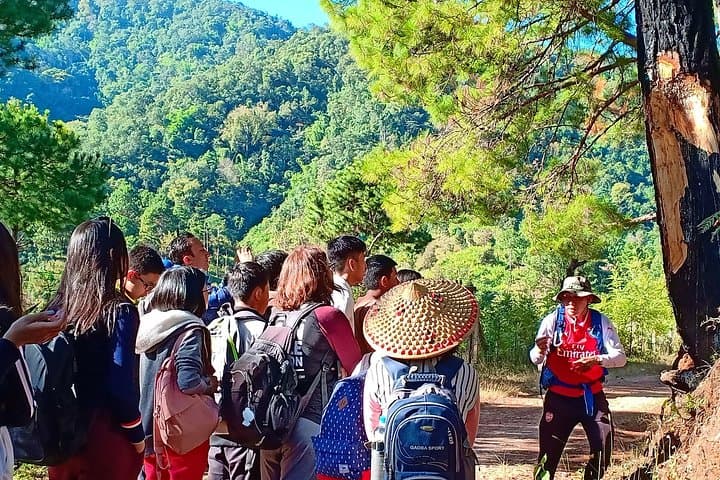
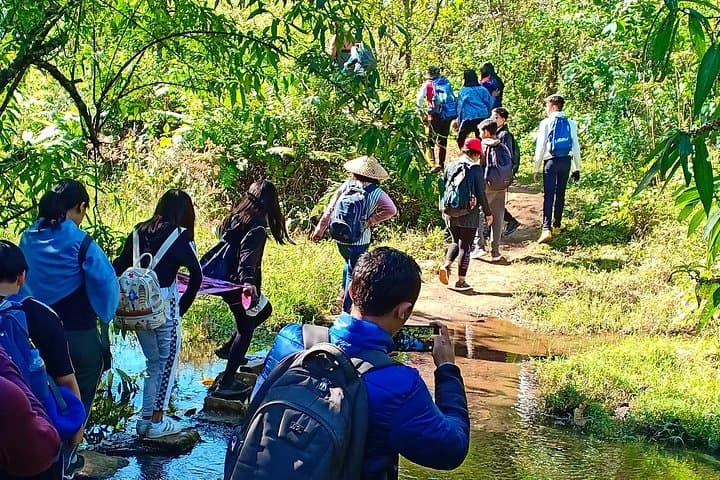
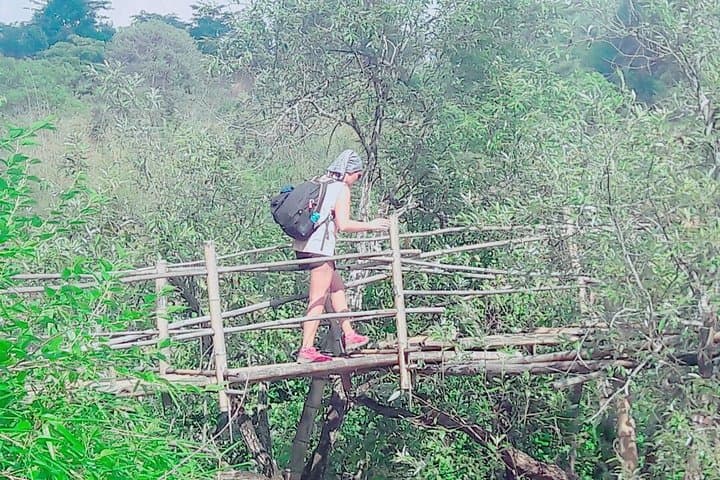
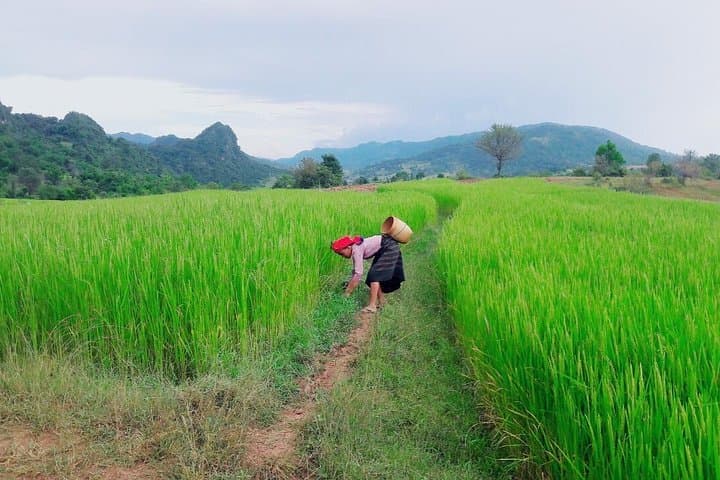
A cool mountain morning in Kalaw opens with mist clinging to pine trunks and the distant call of village dogs. You step off the main road and the track immediately becomes elemental — loose soil, stone pitches, and terraces sliding away into patchwork rice fields. The guide sets the pace: steady, observant, conversational.
A cool mountain morning in Kalaw opens with mist clinging to pine trunks and the distant call of village dogs. You step off the main road and the track immediately becomes elemental — loose soil, stone pitches, and terraces sliding away into patchwork rice fields. The guide sets the pace: steady, observant, conversational.
This region of northern Shan State sits on an elevated plateau that once drew British colonial officers to its temperate air; its foothills are carved from volcanic and sedimentary rocks that give rise to red-hued soils and ridgelines of pine and mixed broadleaf forest. Local Pa-O and Danu communities farm hill slopes, tend tea and flowers, and maintain village clusters connected by single-track trails.
Expect a mix of shaded forest walks, repeated small ascents and descents over ridges, and long stretches across cultivated terraces that reveal how people shape the land. Cultural moments — a roadside vegetable market, homes with woven fences, a shared cup of tea — are as central to the trek as the scenery.
Practical guidance: this multi-day trek covers uneven terrain and regular elevation changes; pack layered clothing, a solid pair of boots, and a daypack. Water treatment and sun protection are essential; sanitation is basic in villages. Walk in the cooler hours, and use midday breaks for food and rest. Guides typically manage luggage transfer and local logistics, leaving you free to move and to observe local life. For planners: confirm exact itinerary, accommodation standard, and weather windows before booking.