THE ADVENTURE COLLECTIVE® · Independent discovery and booking for outdoor travel

Drive from Islamabad into the mountains on a 15-day overland circuit through Swat, Chitral, the Kalash valleys and Hunza, crossing Shandur and Khunjerab passes. Expect high passes, village festivals, glacial lakes and a mix of short walks and long driving days.
Drive from Islamabad into the mountains on a 15-day overland circuit through Swat, Chitral, the Kalash valleys and Hunza, crossing Shandur and Khunjerab passes. Expect high passes, village festivals, glacial lakes and a mix of short walks and long driving days.
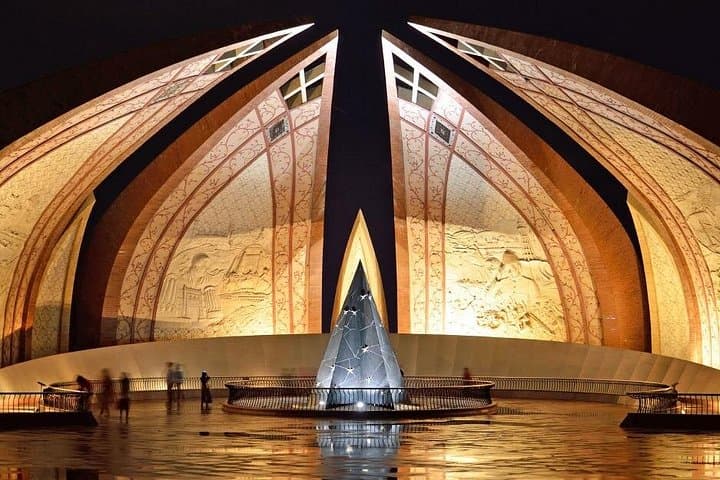
A dust-slicked highway unwinds out of Islamabad at dawn and the Margalla Hills let go of the city as you head north—rivers start to speak in a different pitch and the air leans cooler. Over 15 days this overland loop moves from the Pakistani capital into Swat’s green river corridors, climbs through Chitral’s knife-edged gorges, slows for the high meadows of Shandur and delivers you into the cradled peaks and forts of Hunza.
Verified experiences and guided adventures in the surrounding area.
Operated by Pak Tours and Travels · Islamabad, Islamabad Capital Territory
A dust-slicked highway unwinds out of Islamabad at dawn and the Margalla Hills let go of the city as you head north—rivers start to speak in a different pitch and the air leans cooler. Over 15 days this overland loop moves from the Pakistani capital into Swat’s green river corridors, climbs through Chitral’s knife-edged gorges, slows for the high meadows of Shandur and delivers you into the cradled peaks and forts of Hunza.
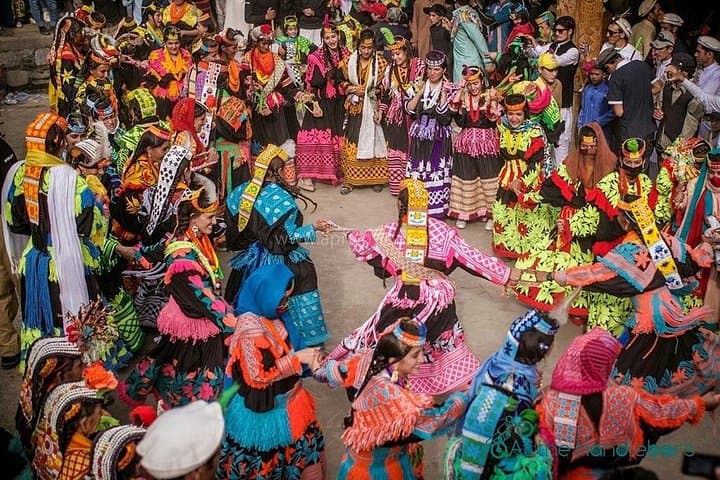
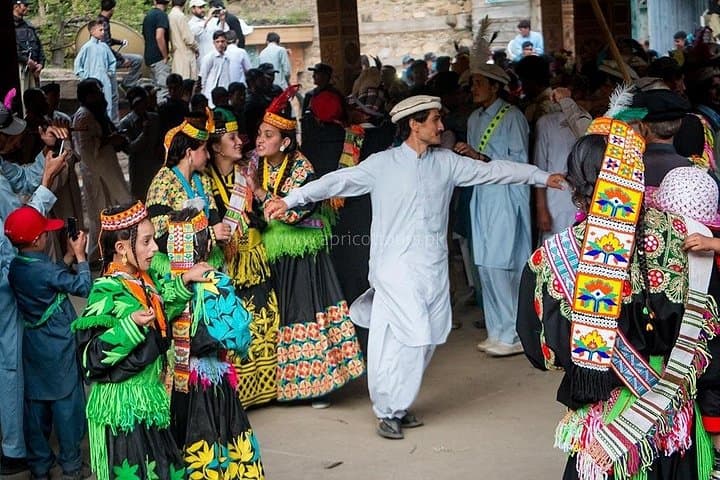
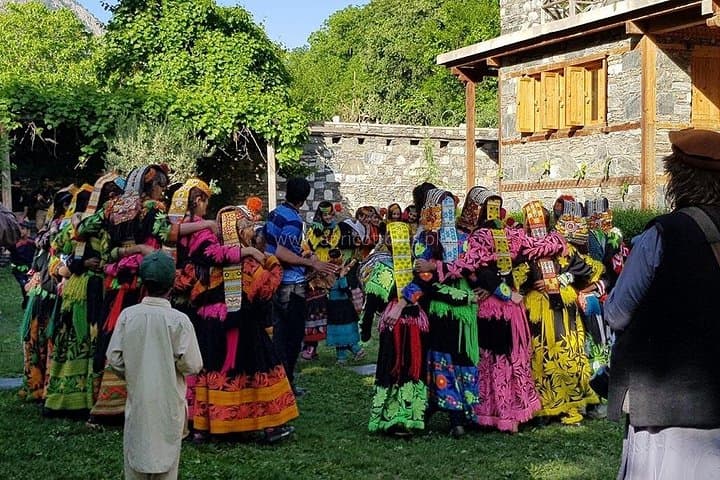
History sits in layers: Gandharan Buddhism once marked the Swat valley, Chitral’s Katur dynasty ruled from its riverside fort, and the Silk Road legacy threads the Karakoram Highway up toward Khunjerab Pass (4,714 m). Geology is immediate—the Karakoram thrusts skyward, glaciers feed lakes like Attabad (formed by a 2010 landslide), and Rakaposhi descends almost uninterrupted for 6,000 m from summit to base. Culture here is distinct: the Kalash people keep pre-Islamic rituals and the Chilam Joshi spring festival (May 13–16, 2025) animates village life with dance and offerings.
Practical guidance: expect long driving days broken by short hikes and village walks, altitude swings from ~500 m (lowlands) to over 4,700 m, and simple mountain accommodations. The tour includes breakfasts and most dinners and uses an air-conditioned vehicle. Pack layered insulation, sun protection, sturdy boots, and cash for remote markets. Move deliberately for acclimatization, honor local customs in Kalash villages, and plan for variable road conditions on high passes. This route rewards patience—mountain silence, hanging bridges, and fort ramparts that make each stop feel like a hard-won view.
moderate.
15 days.
Suitable for travelers with regular walking fitness; must tolerate long vehicle days and moderate altitude changes up to ~4,700 m.
Late spring to early autumn (May–September) offers the most reliable road access; Chilam Joshi takes place May 13–16, 2025 in the Kalash Valley.
Domestic travel into Gilgit-Baltistan typically requires carrying ID and travel documents; foreign visitors should carry passports and check current entry rules and any park fees for Khunjerab National Park.
Walks are short to moderate on uneven village trails and viewpoints—no technical hiking required, but sturdy footwear and a steady pace help on rocky paths and suspension bridges.
The itinerary includes breakfasts and most dinners and uses mountain hotels and guesthouses; expect simple, local-style meals and shared facilities in some towns.
The route crosses old Silk Road corridors and Gandharan Buddhist sites in Swat and Taxila; Chitral and Hunza were once princely states with hill forts that mark regional power centers.
Khunjerab National Park protects Marco Polo sheep and snow leopards; visitors should minimize disturbance, avoid littering and use local guides to support community-led conservation.
Pak Tours and Travels operates guided outdoor trips and adventures with an emphasis on safety, stewardship, and memorable experiences.
A dust-slicked highway unwinds out of Islamabad at dawn and the Margalla Hills let go of the city as you head north—rivers start to speak in a different pitch and the air leans cooler. Over 15 days this overland loop moves from the Pakistani capital into Swat’s green river corridors, climbs through Chitral’s knife-edged gorges, slows for the high meadows of Shandur and delivers you into the cradled peaks and forts of Hunza.
A dust-slicked highway unwinds out of Islamabad at dawn and the Margalla Hills let go of the city as you head north—rivers start to speak in a different pitch and the air leans cooler. Over 15 days this overland loop moves from the Pakistani capital into Swat’s green river corridors, climbs through Chitral’s knife-edged gorges, slows for the high meadows of Shandur and delivers you into the cradled peaks and forts of Hunza.
History sits in layers: Gandharan Buddhism once marked the Swat valley, Chitral’s Katur dynasty ruled from its riverside fort, and the Silk Road legacy threads the Karakoram Highway up toward Khunjerab Pass (4,714 m). Geology is immediate—the Karakoram thrusts skyward, glaciers feed lakes like Attabad (formed by a 2010 landslide), and Rakaposhi descends almost uninterrupted for 6,000 m from summit to base. Culture here is distinct: the Kalash people keep pre-Islamic rituals and the Chilam Joshi spring festival (May 13–16, 2025) animates village life with dance and offerings.
Practical guidance: expect long driving days broken by short hikes and village walks, altitude swings from ~500 m (lowlands) to over 4,700 m, and simple mountain accommodations. The tour includes breakfasts and most dinners and uses an air-conditioned vehicle. Pack layered insulation, sun protection, sturdy boots, and cash for remote markets. Move deliberately for acclimatization, honor local customs in Kalash villages, and plan for variable road conditions on high passes. This route rewards patience—mountain silence, hanging bridges, and fort ramparts that make each stop feel like a hard-won view.