THE ADVENTURE COLLECTIVE® · Independent discovery and booking for outdoor travel

Walk through Kalamata’s living history from the castle’s lookout to the Old Town’s artisan alleys. This four- to five-hour guided route blends Byzantine monuments, neoclassical streetscapes, and a lively central market on select days.
Walk through Kalamata’s living history from the castle’s lookout to the Old Town’s artisan alleys. This four- to five-hour guided route blends Byzantine monuments, neoclassical streetscapes, and a lively central market on select days.
You step up narrow stone steps and the Messinian Gulf opens, a sheet of blue that dares you to look away — the medieval walls of Kalamata Castle hold that view like a watchful eye.
Verified experiences and guided adventures in the surrounding area.
Operated by PENGUIN TRAVELS AND TOURS · Kalamata, Messenia
You step up narrow stone steps and the Messinian Gulf opens, a sheet of blue that dares you to look away — the medieval walls of Kalamata Castle hold that view like a watchful eye.
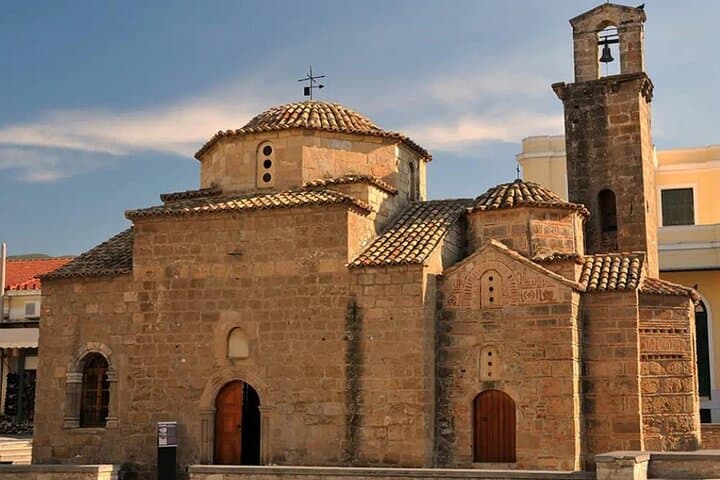
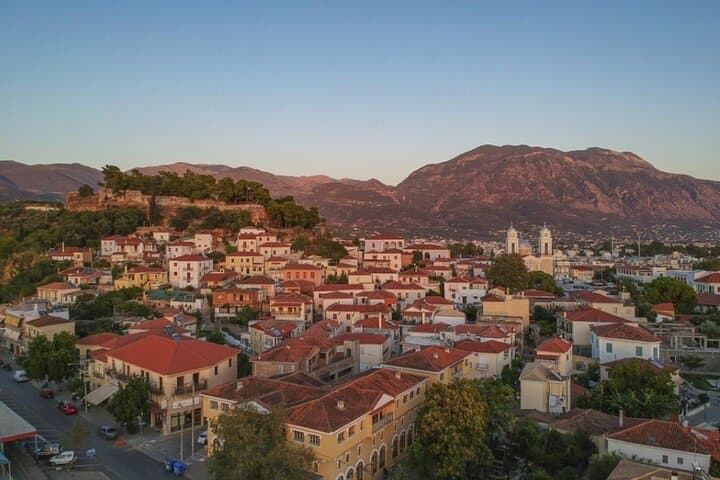
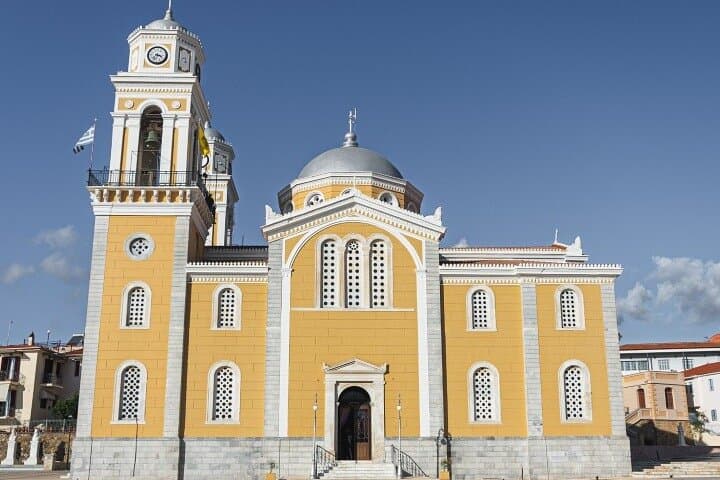
This four- to five-hour walking tour threads through layers of the city: Byzantine churches with frescoed interiors, neoclassical mansions from the 19th century, and the compact streets where artisans still work wood and textiles. The Benakeion Archaeological Museum concentrates pottery and local finds that speak to Messenia’s ancient coastal trade, while the Church of the Holy Apostles marks a dramatic moment in the Greek War of Independence.
Geology is quiet but present — limestone bedrock underlies the plain and cliffs that drop to the gulf, shaping the harbor and the agricultural terraces that have produced Kalamata olives for millennia. Culturally the town is direct: markets hum on Wednesdays and Saturdays, and small family-run shops sell products tied to place and season.
Practical guidance: expect mostly paved streets and short climbs; comfortable, broken-in shoes and a sun hat will make the difference. Water and sunscreen are essential in summer; in shoulder seasons bring a light layer for sea breezes. The tour is walkable for most visitors but involves continuous standing and short stair sections.
Plan market visits on market days to sample local flavors, and leave some free time to explore the railway park or a seaside cafe after the guided route — both reward slower attention and support local businesses.
easy.
4–5 hours.
Suitable for most people who can walk continuously for several hours with brief stairs; casual fitness and sturdy feet recommended.
The tour runs about 4–5 hours (240–300 minutes) and includes multiple stops with short on-foot transfers between sites.
Many streets in the Old Town are narrow and uneven, but the provider lists wheelchair accessibility and transportation options—contact them in advance to confirm specific needs.
Admissions listed on the itinerary are generally not included; check with the operator for any sites that require tickets, such as special museum exhibits.
The central market is lively on Wednesdays and Saturdays; visiting on those days maximizes opportunities to taste local produce and meet vendors.
Kalamata’s castle sits on a site fortified since the medieval period; the Church of the Holy Apostles is a 12th‑century Byzantine monument tied to events in the Greek War of Independence.
Visit local markets and artisan shops to support the community; avoid trampling archaeological remains and minimize single-use plastics to protect coastal and urban environments.
PENGUIN TRAVELS AND TOURS operates guided outdoor trips and adventures with an emphasis on safety, stewardship, and memorable experiences.
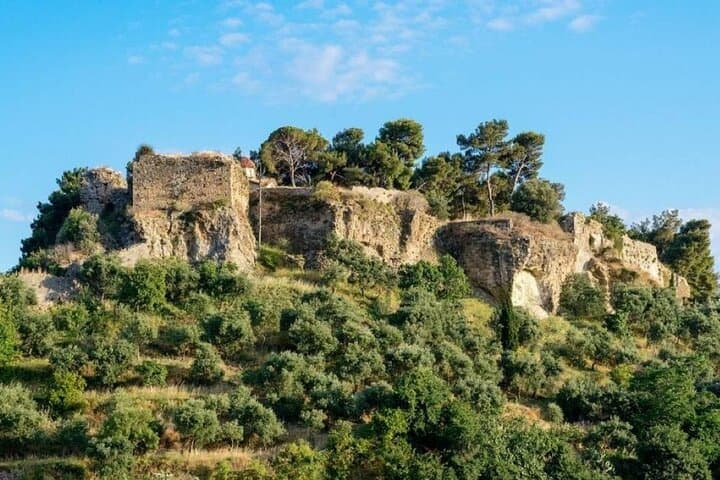
You step up narrow stone steps and the Messinian Gulf opens, a sheet of blue that dares you to look away — the medieval walls of Kalamata Castle hold that view like a watchful eye.
You step up narrow stone steps and the Messinian Gulf opens, a sheet of blue that dares you to look away — the medieval walls of Kalamata Castle hold that view like a watchful eye.
This four- to five-hour walking tour threads through layers of the city: Byzantine churches with frescoed interiors, neoclassical mansions from the 19th century, and the compact streets where artisans still work wood and textiles. The Benakeion Archaeological Museum concentrates pottery and local finds that speak to Messenia’s ancient coastal trade, while the Church of the Holy Apostles marks a dramatic moment in the Greek War of Independence.
Geology is quiet but present — limestone bedrock underlies the plain and cliffs that drop to the gulf, shaping the harbor and the agricultural terraces that have produced Kalamata olives for millennia. Culturally the town is direct: markets hum on Wednesdays and Saturdays, and small family-run shops sell products tied to place and season.
Practical guidance: expect mostly paved streets and short climbs; comfortable, broken-in shoes and a sun hat will make the difference. Water and sunscreen are essential in summer; in shoulder seasons bring a light layer for sea breezes. The tour is walkable for most visitors but involves continuous standing and short stair sections.
Plan market visits on market days to sample local flavors, and leave some free time to explore the railway park or a seaside cafe after the guided route — both reward slower attention and support local businesses.