THE ADVENTURE COLLECTIVE® · Independent discovery and booking for outdoor travel

A compact, private 3‑hour walking tour that stitches Kalamata’s Byzantine churches, medieval castle and silk‑weaving convent into a single, accessible route—ideal for cruise passengers with limited time. Expect cobbled alleys, coastal limestone views, and local cafés.
A compact, private 3‑hour walking tour that stitches Kalamata’s Byzantine churches, medieval castle and silk‑weaving convent into a single, accessible route—ideal for cruise passengers with limited time. Expect cobbled alleys, coastal limestone views, and local cafés.
You step off the ship and the harbor air greets you—salt, citrus groves in the distance, and the steady murmur of a city that keeps its past in plain sight.
Verified experiences and guided adventures in the surrounding area.
Operated by Pixida Tours · Kalamata, Messenia
You step off the ship and the harbor air greets you—salt, citrus groves in the distance, and the steady murmur of a city that keeps its past in plain sight.
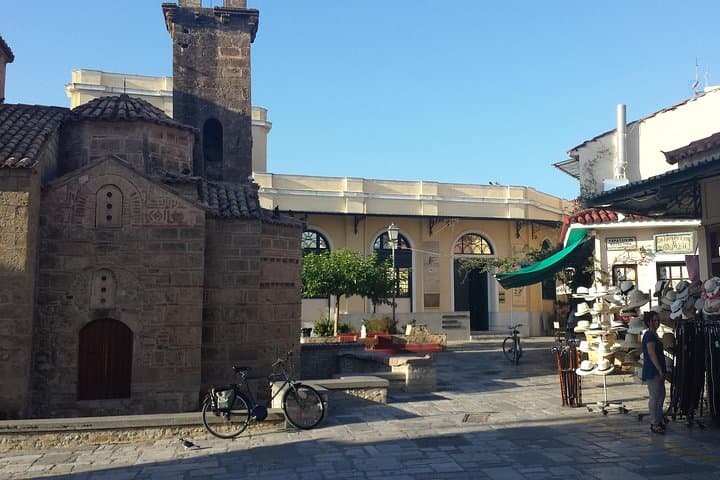
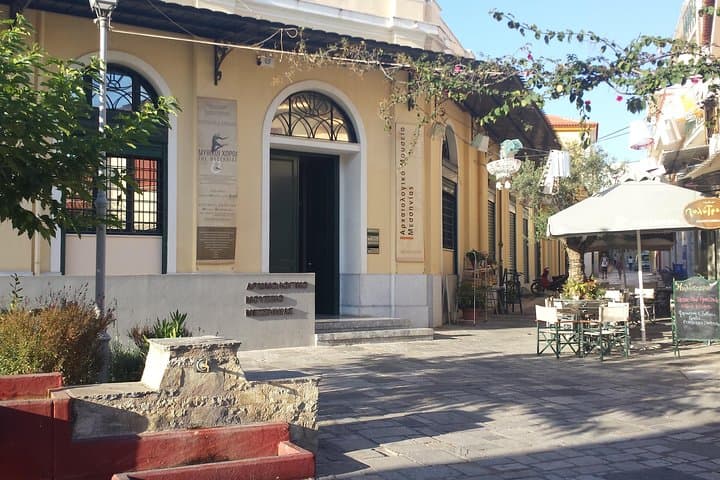
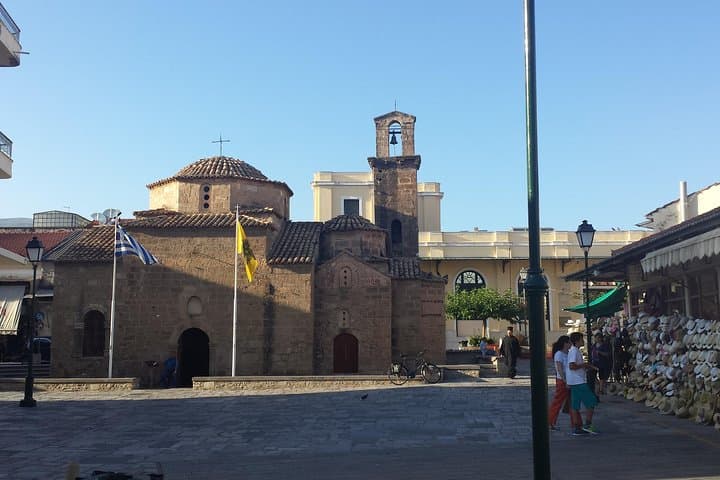
The tour begins at the square of Ypapanti, where sunlight finds the church built above the buried remains of ancient Farai. From there the guide leads you up narrow, cobbled alleys toward the 12th‑century Villehardouin castle; walking through its ruins feels like moving through layered chapters of the Peloponnese. You pass two houses that survived the 1821 uprising and the tremors of the 1986 earthquake that exposed pottery, walls and traces of the ancient acropolis beneath the modern sanctuary.
Kalamata’s geology is coastal limestone and alluvial plains—hills that gave strategic advantage to medieval builders, and flat market squares that shaped modern commerce. Cultural threads are visible: a cave church where clandestine schools kept language and faith alive under Ottoman rule, and a convent where nuns revived silk weaving, creating scarves that still carry the town’s name.
Practical guidance: this private, three‑hour walking tour covers uneven cobbles, short stair sections and multiple stops—expect 2–4 miles of walking at a relaxed pace with frequent pauses for history and photography. Morning slots avoid peak heat and crowds; bring sun protection, comfortable shoes, and small cash for a café pause in Agioi Apostoloi square. Guides accommodate cruise timetables and tailor stops to your group, so mention mobility needs when booking.
By the time you return to the port, the city’s past will feel lived in, its streets inviting a slower, curious stride.
easy.
3 hours.
Light walking fitness; able to stand and walk on uneven surfaces for up to three hours with breaks
The private tour is three hours and typically covers 2–4 miles (3–6 km) at a relaxed pace with frequent stops.
Yes—pickups from the port are included and the itinerary is designed to fit typical cruise schedules.
Guides can accommodate limited mobility if notified at booking, but some castle alleys and historic sites have steps and uneven surfaces.
Admissions are not included; the tour includes stops at cafés where you can purchase food and drinks separately.
Kalamata sits above ancient Farai; a 1986 earthquake exposed archaeological remains beneath the sanctuary of Ypapanti and the Villehardouin family built the town’s medieval castle in the 12th century.
Tourism pressure centers on narrow historic streets—stick to marked paths, support local businesses, and avoid touching fragile ruins to reduce wear.
Pixida Tours operates guided outdoor trips and adventures with an emphasis on safety, stewardship, and memorable experiences.
You step off the ship and the harbor air greets you—salt, citrus groves in the distance, and the steady murmur of a city that keeps its past in plain sight.
You step off the ship and the harbor air greets you—salt, citrus groves in the distance, and the steady murmur of a city that keeps its past in plain sight.
The tour begins at the square of Ypapanti, where sunlight finds the church built above the buried remains of ancient Farai. From there the guide leads you up narrow, cobbled alleys toward the 12th‑century Villehardouin castle; walking through its ruins feels like moving through layered chapters of the Peloponnese. You pass two houses that survived the 1821 uprising and the tremors of the 1986 earthquake that exposed pottery, walls and traces of the ancient acropolis beneath the modern sanctuary.
Kalamata’s geology is coastal limestone and alluvial plains—hills that gave strategic advantage to medieval builders, and flat market squares that shaped modern commerce. Cultural threads are visible: a cave church where clandestine schools kept language and faith alive under Ottoman rule, and a convent where nuns revived silk weaving, creating scarves that still carry the town’s name.
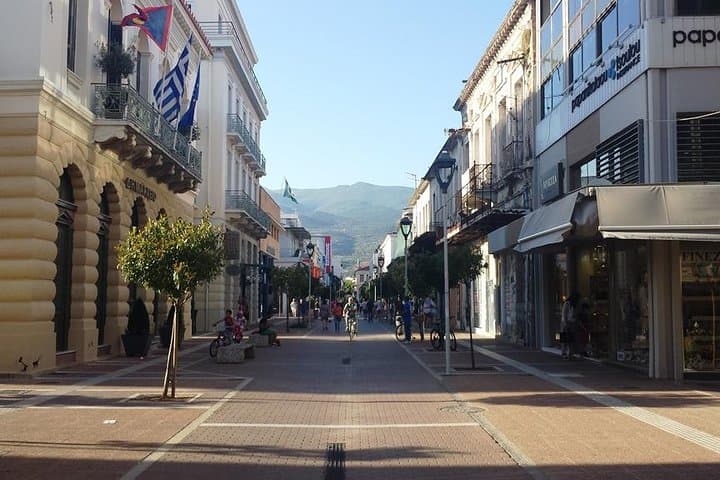
Practical guidance: this private, three‑hour walking tour covers uneven cobbles, short stair sections and multiple stops—expect 2–4 miles of walking at a relaxed pace with frequent pauses for history and photography. Morning slots avoid peak heat and crowds; bring sun protection, comfortable shoes, and small cash for a café pause in Agioi Apostoloi square. Guides accommodate cruise timetables and tailor stops to your group, so mention mobility needs when booking.
By the time you return to the port, the city’s past will feel lived in, its streets inviting a slower, curious stride.