THE ADVENTURE COLLECTIVE® · Independent discovery and booking for outdoor travel

Learn to read reef-shaped waves and stand up on a soft-top in a semi-private surf lesson at Kalama Park, Kihei. Small groups, an on-land safety primer, and patient instructors make this a top pick for first-time surfers on Maui.
Learn to read reef-shaped waves and stand up on a soft-top in a semi-private surf lesson at Kalama Park, Kihei. Small groups, an on-land safety primer, and patient instructors make this a top pick for first-time surfers on Maui.
The first light on South Kihei Road picks out the low reef beyond Kalama Park, and the ocean seems to breathe — a slow, patient rise of swell that dares you to step into it. Instructors from the local surf outfit assemble soft-top boards on the sand, run a concise 10–15 minute land briefing on stance and ocean safety, then usher small groups waist-deep into the gentler sets. Waves here are forgiving; the reef shapes the surf into slow, rolling green faces ideal for first rides.
Verified experiences and guided adventures in the surrounding area.
Operated by Maui Waveriders · Kihei, Hawaii
The first light on South Kihei Road picks out the low reef beyond Kalama Park, and the ocean seems to breathe — a slow, patient rise of swell that dares you to step into it. Instructors from the local surf outfit assemble soft-top boards on the sand, run a concise 10–15 minute land briefing on stance and ocean safety, then usher small groups waist-deep into the gentler sets. Waves here are forgiving; the reef shapes the surf into slow, rolling green faces ideal for first rides.
Kalama Park sits on the southern coast of Maui, an adolescent shoreline formed by the island's volcanic core and the patient growth of coral. Surfing in Hawaii carries deep cultural roots — paddling and wave riding were practiced by aliʻi (chiefs) and commoners alike long before modern boards. Contemporary lessons at Kihei blend that history with practical technique taught in English by instructors versed in local currents and reef etiquette.
Expect instruction tailored to your ability, lots of repetition, and steady encouragement rather than theatricalism. The lesson's rhythm alternates land drills with short paddles and catches of small waves; instructors emphasize safe entry/exit, spotting rip currents, and giving space to honu (green sea turtles) that frequent the area.
Practical tips: arrive early with reef-safe sunscreen and a swim suit under quick-dry clothes, be ready to wade in barefoot or with provided surf shoes, and notify staff of any medical issues. Lessons run about two hours — long enough to learn fundamentals and catch your first clean wave, short enough to leave you wanting one more set.
moderate.
2 hours.
Moderate fitness and comfort in the ocean; you should be able to swim and move through waist- to chest-deep water.
No—lessons are designed for beginners with a 10–15 minute land briefing and in-water coaching; instructors adapt to each student's level.
No; water is warm year-round in Kihei, but the operator offers wetsuits pending availability for those who prefer extra warmth or sun protection.
You should be comfortable in waist to chest-deep water; notify instructors before the lesson—additional flotation can often be provided, but strong swimming ability is recommended.
These are semi-private lessons requiring a minimum of two people; groups remain small so instructors can provide individualized attention.
Wave riding in Hawaii predates Western contact; modern lessons at Kihei continue a living cultural practice adapted for recreation and tourism.
Choose reef-safe sunscreen, avoid standing on coral, and maintain distance from turtles and marine mammals to minimize impact on the reef ecosystem.
Maui Waveriders operates guided outdoor trips and adventures with an emphasis on safety, stewardship, and memorable experiences.
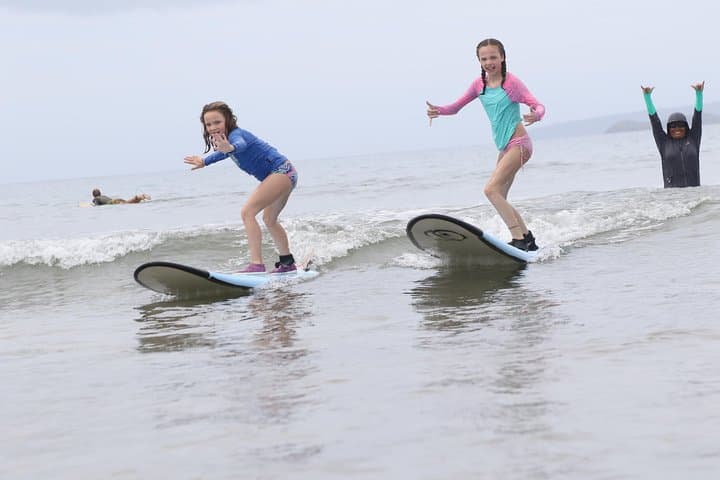
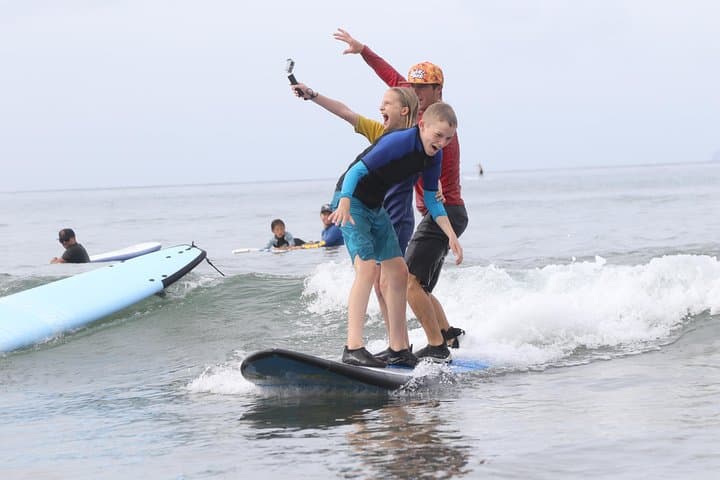
The first light on South Kihei Road picks out the low reef beyond Kalama Park, and the ocean seems to breathe — a slow, patient rise of swell that dares you to step into it. Instructors from the local surf outfit assemble soft-top boards on the sand, run a concise 10–15 minute land briefing on stance and ocean safety, then usher small groups waist-deep into the gentler sets. Waves here are forgiving; the reef shapes the surf into slow, rolling green faces ideal for first rides.
The first light on South Kihei Road picks out the low reef beyond Kalama Park, and the ocean seems to breathe — a slow, patient rise of swell that dares you to step into it. Instructors from the local surf outfit assemble soft-top boards on the sand, run a concise 10–15 minute land briefing on stance and ocean safety, then usher small groups waist-deep into the gentler sets. Waves here are forgiving; the reef shapes the surf into slow, rolling green faces ideal for first rides.
Kalama Park sits on the southern coast of Maui, an adolescent shoreline formed by the island's volcanic core and the patient growth of coral. Surfing in Hawaii carries deep cultural roots — paddling and wave riding were practiced by aliʻi (chiefs) and commoners alike long before modern boards. Contemporary lessons at Kihei blend that history with practical technique taught in English by instructors versed in local currents and reef etiquette.
Expect instruction tailored to your ability, lots of repetition, and steady encouragement rather than theatricalism. The lesson's rhythm alternates land drills with short paddles and catches of small waves; instructors emphasize safe entry/exit, spotting rip currents, and giving space to honu (green sea turtles) that frequent the area.
Practical tips: arrive early with reef-safe sunscreen and a swim suit under quick-dry clothes, be ready to wade in barefoot or with provided surf shoes, and notify staff of any medical issues. Lessons run about two hours — long enough to learn fundamentals and catch your first clean wave, short enough to leave you wanting one more set.