THE ADVENTURE COLLECTIVE® · Independent discovery and booking for outdoor travel

A full-day cultural and wine tour from Tbilisi through Kakheti’s sweeping Alazani Valley. Visit Bodbe Monastery, wander Sighnaghi’s ramparts, and taste historic wines at Kindzmarauli Winery with hands-on local experiences.
A full-day cultural and wine tour from Tbilisi through Kakheti’s sweeping Alazani Valley. Visit Bodbe Monastery, wander Sighnaghi’s ramparts, and taste historic wines at Kindzmarauli Winery with hands-on local experiences.
You leave Tbilisi with the city’s noise receding and the Alazani Valley expanding like a living map ahead. Low vineyards roll toward the Caucasus foothills; olive-green rows and rust-red soil set a steady pace as the guide narrates legends of saints and vintners. By Sighnaghi, terracotta roofs and the town’s defensive wall rise on the ridge, a human line watching over the valley.
Verified experiences and guided adventures in the surrounding area.
Operated by Amiran Gigauri · Sighnaghi, Kakheti
You leave Tbilisi with the city’s noise receding and the Alazani Valley expanding like a living map ahead. Low vineyards roll toward the Caucasus foothills; olive-green rows and rust-red soil set a steady pace as the guide narrates legends of saints and vintners. By Sighnaghi, terracotta roofs and the town’s defensive wall rise on the ridge, a human line watching over the valley.
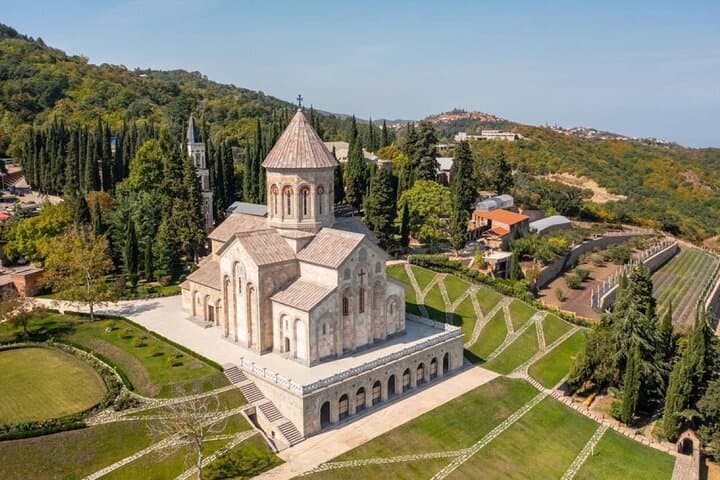
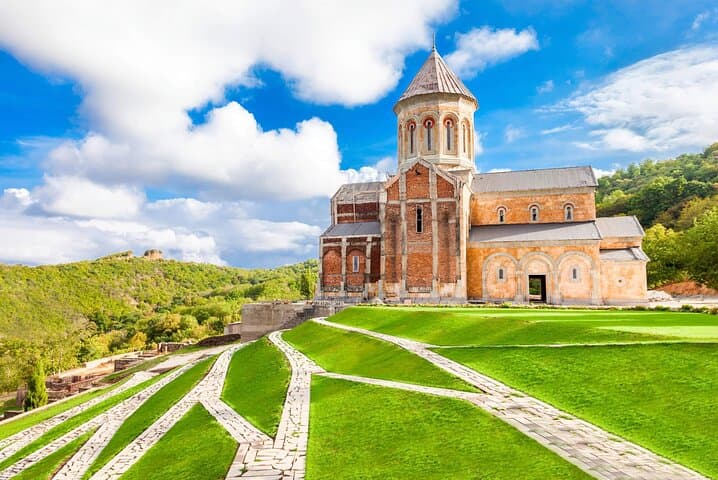
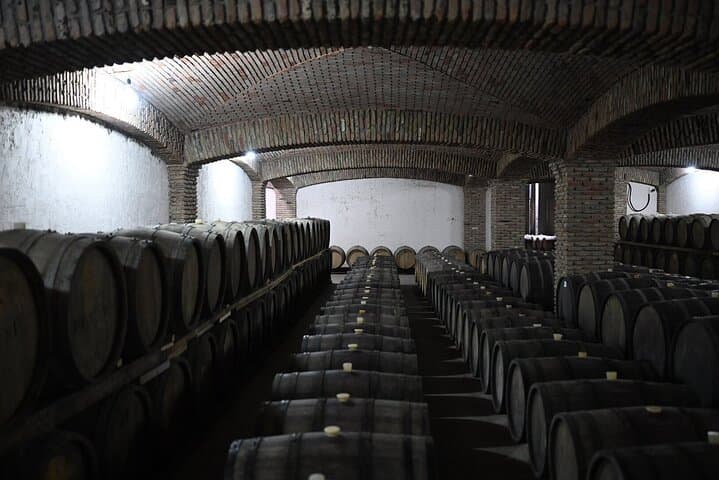
This day tour threads history and terroir. Bodbe Monastery—where Saint Nino is said to rest—offers quiet stone courtyards and a small spring long believed to have healing powers. The geology here is all riverine terraces and volcanic soils, which give Kakheti’s Saperavi and Rkatsiteli grapes their structure. At Kindzmarauli—a historical producer tied to the microzone’s semi-sweet reds—you’ll move from cellar corridors into tasting rooms where oak and time define flavor.
Culture arrives in small, practical ways: a Churchkhela-making class that shows how grape must concentrates into candy, and a lunch where local cheese, walnut sauces, and flatbreads anchor the wine. Guides emphasize provenance—many wineries still use qvevri (clay amphorae) methods alongside modern fermentation.
Practical guidance: wear comfortable shoes for cobbled streets and cellar steps, carry water and a light jacket for variable weather, and bring local currency for small purchases. Expect roughly nine hours including transport, with moderate walking and plenty of seated tastings. Aim for morning departures to beat heat and crowds; pace wine tastings and plan transport back to Tbilisi in advance.
easy.
9 hours.
Suitable for most fitness levels; requires short walks on cobbles and steps and the ability to board a van.
The tour is approximately nine hours and typically departs from central Tbilisi; exact pickup details are provided at booking.
Yes—tastings include a sampling of four wines at Kindzmarauli plus complimentary wine and chacha at lunch and the Churchkhela stop.
Yes—there are historic and culinary elements (monastery, town views, Churchkhela class) that suit non-drinkers and families; children should be supervised in cellars and near stairs.
Yes—fall harvest attracts more visitors and some wineries limit group sizes, so reserve early for preferred dates.
Kakheti has been a wine-producing region for millennia; Kindzmarauli’s name is tied to a historic microzone and the estate traces modern operations to foundations dating back centuries.
Vineyard expansion and tourism can strain water and waste systems; support producers who use sustainable viticulture and avoid leaving litter on rural roads.
Amiran Gigauri operates guided outdoor trips and adventures with an emphasis on safety, stewardship, and memorable experiences.
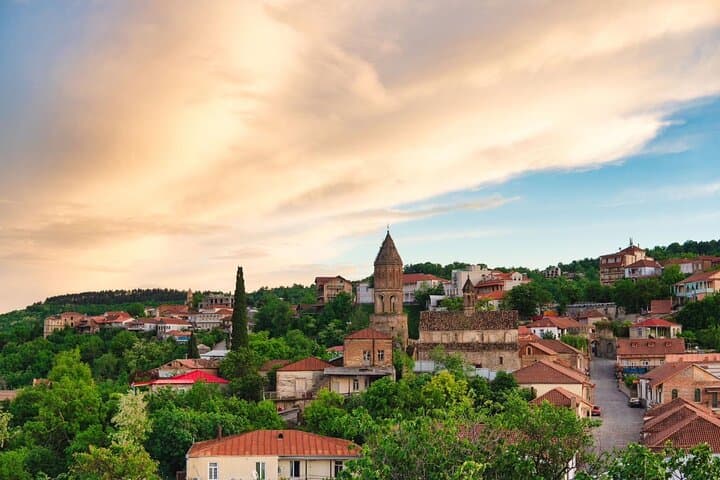
You leave Tbilisi with the city’s noise receding and the Alazani Valley expanding like a living map ahead. Low vineyards roll toward the Caucasus foothills; olive-green rows and rust-red soil set a steady pace as the guide narrates legends of saints and vintners. By Sighnaghi, terracotta roofs and the town’s defensive wall rise on the ridge, a human line watching over the valley.
You leave Tbilisi with the city’s noise receding and the Alazani Valley expanding like a living map ahead. Low vineyards roll toward the Caucasus foothills; olive-green rows and rust-red soil set a steady pace as the guide narrates legends of saints and vintners. By Sighnaghi, terracotta roofs and the town’s defensive wall rise on the ridge, a human line watching over the valley.
This day tour threads history and terroir. Bodbe Monastery—where Saint Nino is said to rest—offers quiet stone courtyards and a small spring long believed to have healing powers. The geology here is all riverine terraces and volcanic soils, which give Kakheti’s Saperavi and Rkatsiteli grapes their structure. At Kindzmarauli—a historical producer tied to the microzone’s semi-sweet reds—you’ll move from cellar corridors into tasting rooms where oak and time define flavor.
Culture arrives in small, practical ways: a Churchkhela-making class that shows how grape must concentrates into candy, and a lunch where local cheese, walnut sauces, and flatbreads anchor the wine. Guides emphasize provenance—many wineries still use qvevri (clay amphorae) methods alongside modern fermentation.
Practical guidance: wear comfortable shoes for cobbled streets and cellar steps, carry water and a light jacket for variable weather, and bring local currency for small purchases. Expect roughly nine hours including transport, with moderate walking and plenty of seated tastings. Aim for morning departures to beat heat and crowds; pace wine tastings and plan transport back to Tbilisi in advance.