THE ADVENTURE COLLECTIVE® · Independent discovery and booking for outdoor travel

A high‑altitude pilgrimage from Nepalgunj to Mt. Kailash and Lake Mansarovar, this 9‑day yatra combines helicopter and light‑air ferrying with the classic three‑day kora across the Dolma La. Expect raw landscapes, basic guesthouses and a demanding high‑altitude trek.
A high‑altitude pilgrimage from Nepalgunj to Mt. Kailash and Lake Mansarovar, this 9‑day yatra combines helicopter and light‑air ferrying with the classic three‑day kora across the Dolma La. Expect raw landscapes, basic guesthouses and a demanding high‑altitude trek.
A blunt wind cuts across the high plain and the black pyramid of Mount Kailash looms—knife-edged against an icy blue sky. Lake Mansarovar spreads out at about 4,500 m, a cold mirror that seems to dare pilgrims to look deeper. The route in this 9‑day yatra threads flights, short drives and high-altitude walking from Nepalgunj to Simikot, Hilsa, Purang and into the Darchen valley before the three-day kora around Kailash.
Verified experiences and guided adventures in the surrounding area.
Operated by Nepal Mountain Club Pvt Ltd · Purang (Burang), Ngari Prefecture, Tibet
A blunt wind cuts across the high plain and the black pyramid of Mount Kailash looms—knife-edged against an icy blue sky. Lake Mansarovar spreads out at about 4,500 m, a cold mirror that seems to dare pilgrims to look deeper. The route in this 9‑day yatra threads flights, short drives and high-altitude walking from Nepalgunj to Simikot, Hilsa, Purang and into the Darchen valley before the three-day kora around Kailash.
Geologically, Kailash is an isolated granite-diorite dome rising to roughly 6,714 m; its sheer faces and sharp ridges set it apart from surrounding ranges. Culturally the mountain is one of the world’s most venerated sites—sacred to Hindu, Buddhist, Jain and Bon faiths—and the kora (circumambulation) is a centuries-old ritual of penance and devotion. The classic kora crosses Dolma La (Drolma La) at about 5,650 m and includes stops at Deraphuk and Zuthulphuk; expect long, cold days and simple guesthouse lodging.
Practically: acclimatize deliberately, plan for thin air and sudden weather changes, and carry a valid passport and required Tibet permits. Sturdy boots, layered insulation and water treatment are non-negotiable. The toughest day is the Dolma La crossing—anticipate 10–11 hours of high‑altitude trekking on rocky, occasionally snow-covered trails. Guides and Sherpa staff manage logistics and oxygen reserves, but personal preparation matters: hydrate, eat, move steadily, and respect local customs during puja and lake bathing. For many travelers this journey is less about summit ambition and more about rhythm—slow, steady, and reverent—while the plateau keeps watch.
challenging.
9 days.
Good cardiovascular fitness and experience with multi‑day trekking at altitude; ability to sustain full days of hiking with a pack.
Yes. Travel into the Tibet Autonomous Region requires permits and a Chinese visa; this itinerary includes Tibet permits handled by the operator but you must provide a valid passport well in advance.
The kora is a demanding high‑altitude trek of roughly 50–55 km over three days, including a steep pass at about 5,650 m; expect long, cold days with rocky and sometimes snowy terrain.
Accommodations are basic guesthouses and simple hotels with limited hot water; in Tibet side services are practical rather than luxurious and dining focuses on high‑calorie, local fare.
Altitude sickness is the primary risk—carry prescribed altitude medication, acclimatize as recommended, stay hydrated and inform guides about any symptoms; oxygen and high‑altitude medicine are often carried by the operator.
Mount Kailash has been a pilgrimage center for Hinduism, Buddhism, Jainism and Bon for millennia; the kora ritual is a central devotional practice in the region.
The high‑plateau environment is fragile—minimize waste, avoid lakeshore pollution, follow guide instructions, and respect limits on fuel and water use in remote villages.
Nepal Mountain Club Pvt Ltd operates guided outdoor trips and adventures with an emphasis on safety, stewardship, and memorable experiences.
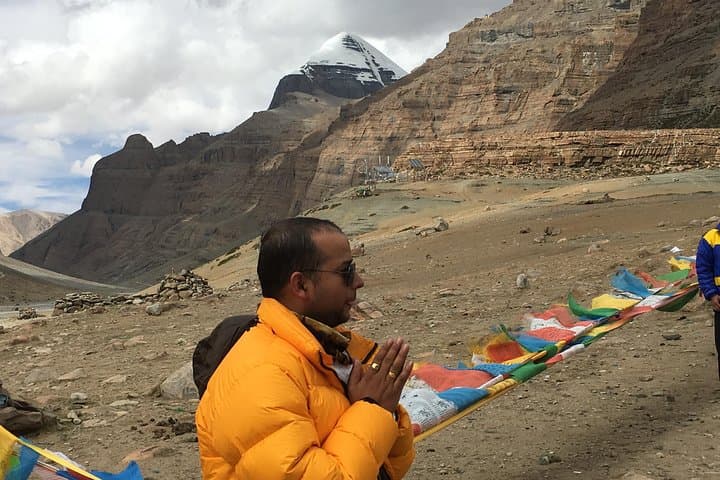
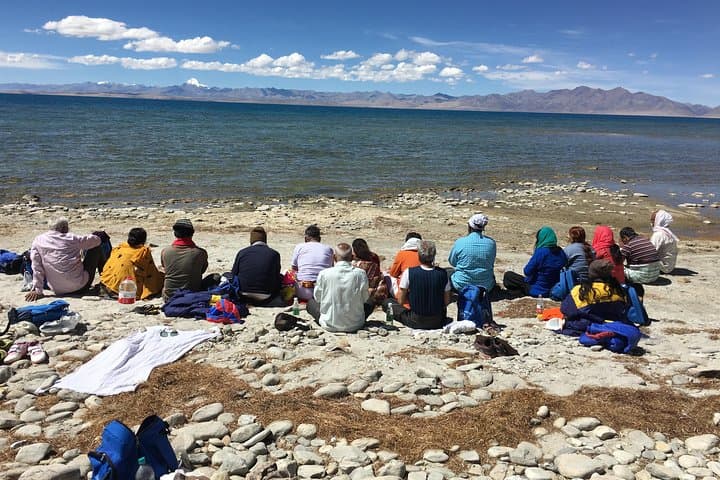
A blunt wind cuts across the high plain and the black pyramid of Mount Kailash looms—knife-edged against an icy blue sky. Lake Mansarovar spreads out at about 4,500 m, a cold mirror that seems to dare pilgrims to look deeper. The route in this 9‑day yatra threads flights, short drives and high-altitude walking from Nepalgunj to Simikot, Hilsa, Purang and into the Darchen valley before the three-day kora around Kailash.
A blunt wind cuts across the high plain and the black pyramid of Mount Kailash looms—knife-edged against an icy blue sky. Lake Mansarovar spreads out at about 4,500 m, a cold mirror that seems to dare pilgrims to look deeper. The route in this 9‑day yatra threads flights, short drives and high-altitude walking from Nepalgunj to Simikot, Hilsa, Purang and into the Darchen valley before the three-day kora around Kailash.
Geologically, Kailash is an isolated granite-diorite dome rising to roughly 6,714 m; its sheer faces and sharp ridges set it apart from surrounding ranges. Culturally the mountain is one of the world’s most venerated sites—sacred to Hindu, Buddhist, Jain and Bon faiths—and the kora (circumambulation) is a centuries-old ritual of penance and devotion. The classic kora crosses Dolma La (Drolma La) at about 5,650 m and includes stops at Deraphuk and Zuthulphuk; expect long, cold days and simple guesthouse lodging.
Practically: acclimatize deliberately, plan for thin air and sudden weather changes, and carry a valid passport and required Tibet permits. Sturdy boots, layered insulation and water treatment are non-negotiable. The toughest day is the Dolma La crossing—anticipate 10–11 hours of high‑altitude trekking on rocky, occasionally snow-covered trails. Guides and Sherpa staff manage logistics and oxygen reserves, but personal preparation matters: hydrate, eat, move steadily, and respect local customs during puja and lake bathing. For many travelers this journey is less about summit ambition and more about rhythm—slow, steady, and reverent—while the plateau keeps watch.