THE ADVENTURE COLLECTIVE® · Independent discovery and booking for outdoor travel

A 16-day high-altitude pilgrimage that circles Mount Kailash and visits Lake Mansarovar. Expect stark Himalayan landscapes, traditional Tibetan villages, and a physically demanding kora requiring permits and acclimatization.
A 16-day high-altitude pilgrimage that circles Mount Kailash and visits Lake Mansarovar. Expect stark Himalayan landscapes, traditional Tibetan villages, and a physically demanding kora requiring permits and acclimatization.
A thin wind moves across the Tibetan plateau as you step from the jeep in Darchen and face Mount Kailash—an austere pyramid of black rock and snow that commands the horizon. Lake Mansarovar lies a short drive away, its glass surface daring you to pause and breathe; pilgrims in white shawls perform puja on its shore while prayer flags catch the light.
Verified experiences and guided adventures in the surrounding area.
Operated by Alpine Luxury Treks Pvt Ltd · Darchen, Ngari Prefecture (Tibet)
A thin wind moves across the Tibetan plateau as you step from the jeep in Darchen and face Mount Kailash—an austere pyramid of black rock and snow that commands the horizon. Lake Mansarovar lies a short drive away, its glass surface daring you to pause and breathe; pilgrims in white shawls perform puja on its shore while prayer flags catch the light.
The route traces paths trodden for centuries. Mount Kailash is sacred to Hindus, Buddhists, Jains and Bon practitioners; Lake Mansarovar has been a ritual bathing site and a geographical landmark carved by Himalayan uplift and glacial sculpting. The kora—three days for the full circuit including the Dolma La pass at roughly 5,600 m—moves from manicured monastery courtyards into raw, high-altitude moraine and wind-swept scree.
Culturally the journey is as much about encounters as it is about terrain: small Tibetan villages, simple guesthouses, and local pujas give context to the landscape. Geologically, the region sits on uplifted sedimentary rock thrust upward by the India-Asia collision, creating sudden peaks and broad alpine basins.
Practical side: acclimatize in Kathmandu and allow staged ascent into Tibet, travel with permits and an experienced guide, and expect altitude, cold nights, and rough roads. Bring layered clothing, boots with good ankle support, sun protection, and a plan for hydration and pacing. The route is demanding but navigable for fit trekkers ready for long days, thin air, and profound cultural moments.
challenging.
15–16 days.
Good aerobic fitness with experience in multi-day hikes and the ability to carry a daypack at high altitude
Yes — travel in Tibet requires a Tibet Travel Permit (and other permits) issued by your tour operator; independent travel is restricted.
September–October and April–May offer the most stable weather and road access; winter is generally closed and summer can be variable.
The kora is high-altitude trekking over 3 days with the Dolma La pass (~5,600 m) — it is strenuous but non-technical; good cardiovascular fitness and acclimatization are essential.
Prepare with staged ascent, stay hydrated, avoid alcohol, and consult a physician about medications for acute mountain sickness; those with serious heart or spinal conditions are not recommended to participate.
Mount Kailash has been a multi-faith pilgrimage destination for millennia, referenced in Hindu, Buddhist, Jain and Bon texts and oral traditions.
The high-altitude plateau is ecologically fragile; visitors should stick to trails, minimize waste, and respect local water sources and sacred sites.
Alpine Luxury Treks Pvt Ltd operates guided outdoor trips and adventures with an emphasis on safety, stewardship, and memorable experiences.
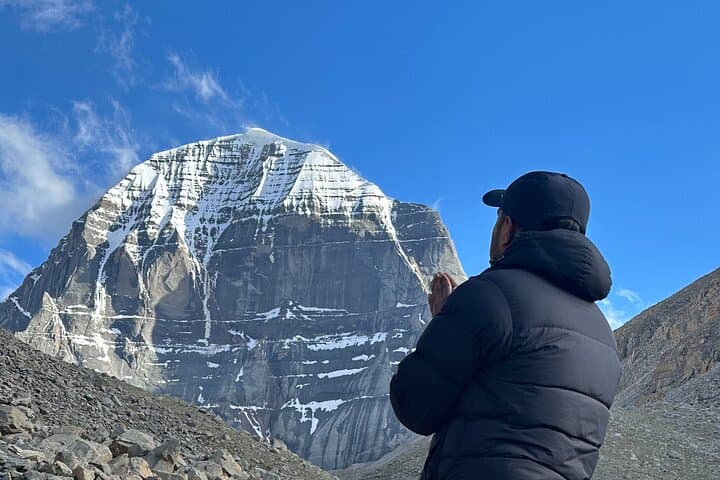
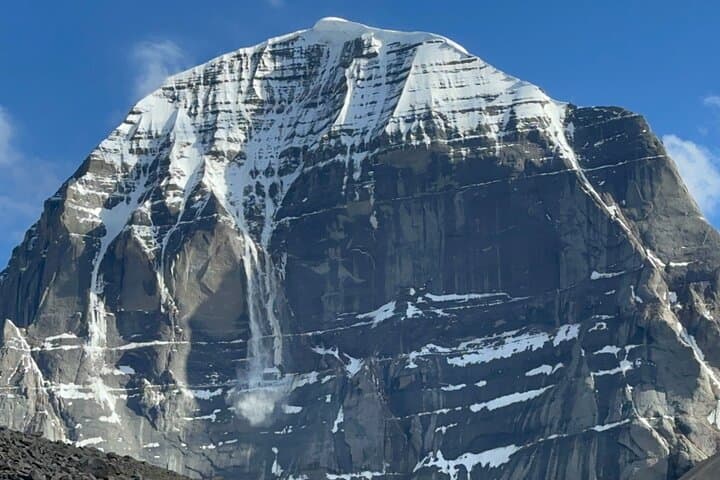
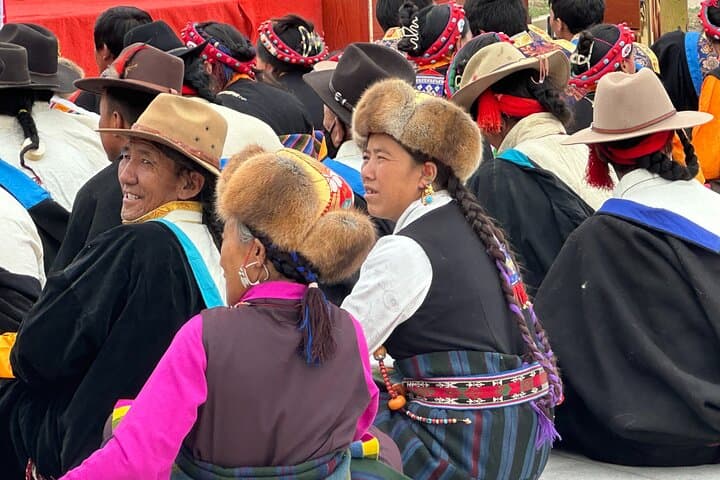
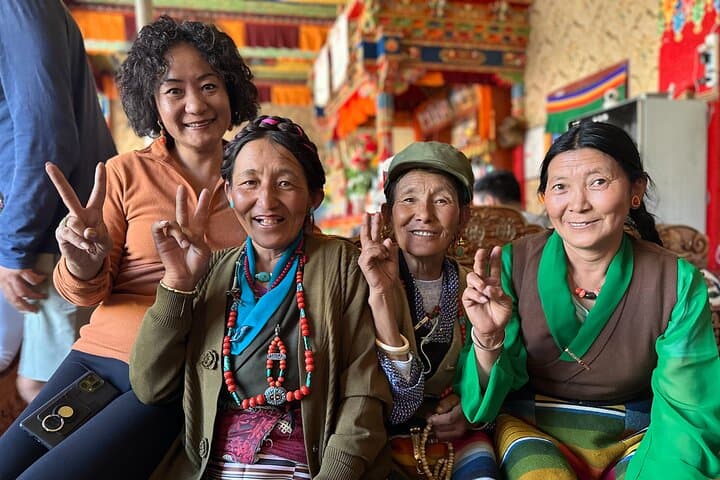
A thin wind moves across the Tibetan plateau as you step from the jeep in Darchen and face Mount Kailash—an austere pyramid of black rock and snow that commands the horizon. Lake Mansarovar lies a short drive away, its glass surface daring you to pause and breathe; pilgrims in white shawls perform puja on its shore while prayer flags catch the light.
A thin wind moves across the Tibetan plateau as you step from the jeep in Darchen and face Mount Kailash—an austere pyramid of black rock and snow that commands the horizon. Lake Mansarovar lies a short drive away, its glass surface daring you to pause and breathe; pilgrims in white shawls perform puja on its shore while prayer flags catch the light.
The route traces paths trodden for centuries. Mount Kailash is sacred to Hindus, Buddhists, Jains and Bon practitioners; Lake Mansarovar has been a ritual bathing site and a geographical landmark carved by Himalayan uplift and glacial sculpting. The kora—three days for the full circuit including the Dolma La pass at roughly 5,600 m—moves from manicured monastery courtyards into raw, high-altitude moraine and wind-swept scree.
Culturally the journey is as much about encounters as it is about terrain: small Tibetan villages, simple guesthouses, and local pujas give context to the landscape. Geologically, the region sits on uplifted sedimentary rock thrust upward by the India-Asia collision, creating sudden peaks and broad alpine basins.
Practical side: acclimatize in Kathmandu and allow staged ascent into Tibet, travel with permits and an experienced guide, and expect altitude, cold nights, and rough roads. Bring layered clothing, boots with good ankle support, sun protection, and a plan for hydration and pacing. The route is demanding but navigable for fit trekkers ready for long days, thin air, and profound cultural moments.