THE ADVENTURE COLLECTIVE® · Independent discovery and booking for outdoor travel

A high‑altitude pilgrimage that combines long overland travel with a three‑day kora around sacred Mount Kailash and a ritual at Lake Mansarovar. Expect long drives, basic accommodation and a demanding pass at 5,630 m.
A high‑altitude pilgrimage that combines long overland travel with a three‑day kora around sacred Mount Kailash and a ritual at Lake Mansarovar. Expect long drives, basic accommodation and a demanding pass at 5,630 m.
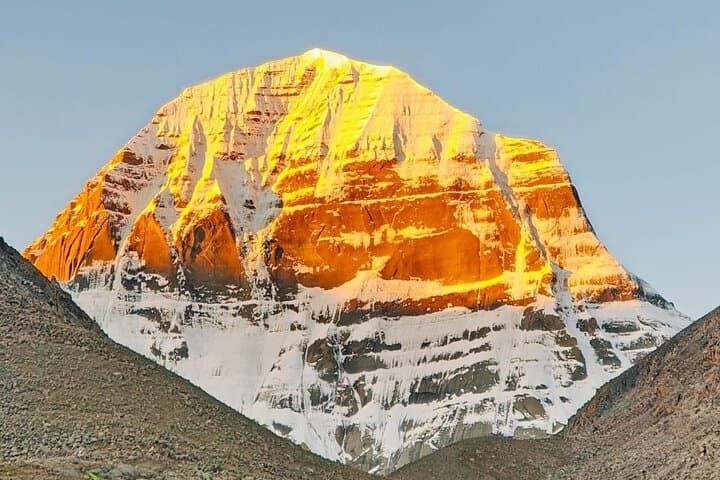
Dawn breaks over a landscape that feels older than language: a stark cone of rock rises against a brittle sky, the wind nudging prayer flags into animated motion. Travelers begin in Kathmandu and move across valleys and high plateaus until they stand at Mansarovar’s glacial shore, where the lake’s flat surface dares you to pause and perform the ritual bath.
Verified experiences and guided adventures in the surrounding area.
Operated by Zeo Tourism · Darchen, Tibet Autonomous Region
Dawn breaks over a landscape that feels older than language: a stark cone of rock rises against a brittle sky, the wind nudging prayer flags into animated motion. Travelers begin in Kathmandu and move across valleys and high plateaus until they stand at Mansarovar’s glacial shore, where the lake’s flat surface dares you to pause and perform the ritual bath.
Mount Kailash (6,638 m) and Lake Mansarovar sit at the seam of Tibetan history and geology — an isolated granitic peak sculpted by erosion and surrounded by high desert. The massif is sacred to Hindus, Buddhists, Jains and Bon practitioners; pilgrims make the kora (circumambulation) as a central rite. Modern routes thread villages, monasteries and nomad enclaves, and the trek crosses Dolma La Pass at roughly 5,630 m, the expedition’s highest and most demanding point.
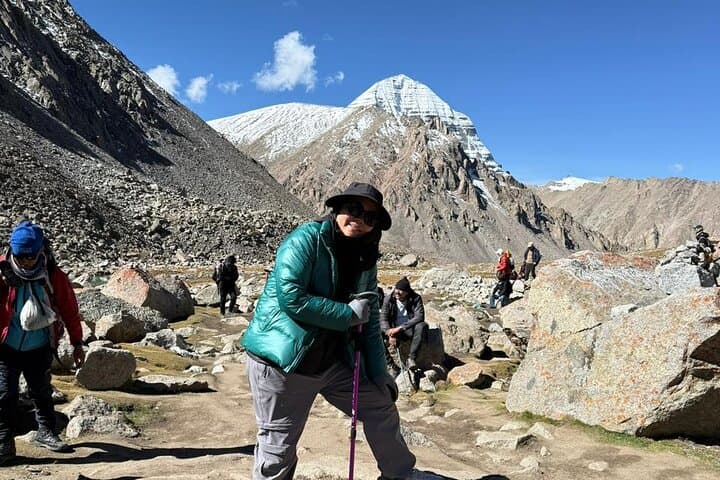
Expect long drives—Kathmandu to Kyirung to Saga—and three days of the kora: a 12 km first day to Diraphuk, a punishing 22 km day over Dolma La, then a shorter descent back to Darchen. Terrain alternates packed dirt, scree slopes and river valleys; nights are in basic guesthouses or dorms.
Practical essentials: acclimatize in Gyirung (2,800 m), carry layered insulation, and plan for strong sun and cold nights. Permits (Tibet group visa) and an experienced Tibetan guide are required; the operator usually provides both. Footwear with solid ankle support, trekking poles and conservative pacing make the difference on Dolma La. Above all, respect local customs at monasteries and leave no trace in this fragile high‑altitude environment.
challenging.
12–13 days.
Good cardiovascular fitness and prior multiday trekking experience recommended; must tolerate long vehicle transfers and sustained altitude.
Yes. Travelers require a Tibet Group Visa/Tibet Permit and must travel with an authorized guide; organizers usually handle these arrangements.
Dolma La reaches about 5,630 m and involves a steep, technical ascent and descent over scree—expect 10–12 hours and altitude strain; strong fitness and acclimatization are vital.
Late spring to early autumn (May–September) offers milder weather and open passes, though conditions can change quickly at high altitude.
Accommodation is basic—guesthouses and dormitory rooms with shared bathrooms; standards vary and heating is limited at higher elevations.
Mount Kailash and Mansarovar have been pilgrimage centers for millennia, revered across Hindu, Buddhist, Jain and Bon traditions.
This high‑altitude ecosystem is fragile; stick to established trails, pack out waste and follow local rules—water sources and grasslands recover slowly.
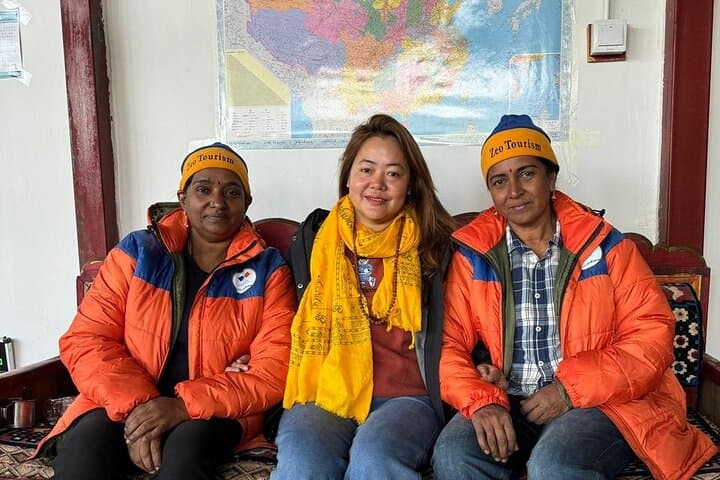
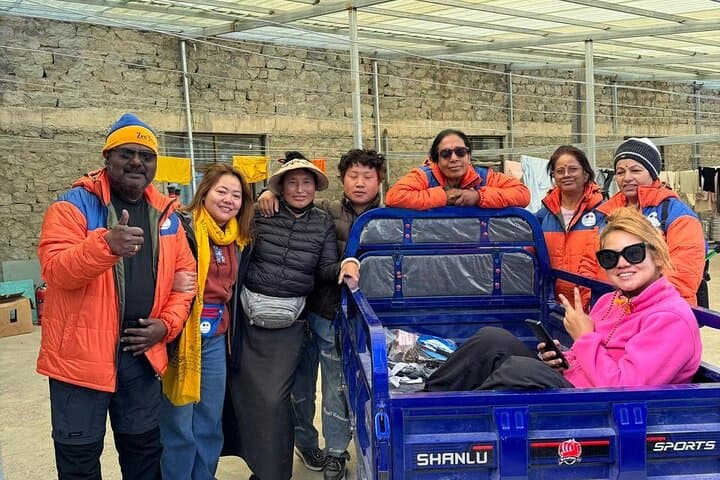
Zeo Tourism operates guided outdoor trips and adventures with an emphasis on safety, stewardship, and memorable experiences.
Dawn breaks over a landscape that feels older than language: a stark cone of rock rises against a brittle sky, the wind nudging prayer flags into animated motion. Travelers begin in Kathmandu and move across valleys and high plateaus until they stand at Mansarovar’s glacial shore, where the lake’s flat surface dares you to pause and perform the ritual bath.
Dawn breaks over a landscape that feels older than language: a stark cone of rock rises against a brittle sky, the wind nudging prayer flags into animated motion. Travelers begin in Kathmandu and move across valleys and high plateaus until they stand at Mansarovar’s glacial shore, where the lake’s flat surface dares you to pause and perform the ritual bath.
Mount Kailash (6,638 m) and Lake Mansarovar sit at the seam of Tibetan history and geology — an isolated granitic peak sculpted by erosion and surrounded by high desert. The massif is sacred to Hindus, Buddhists, Jains and Bon practitioners; pilgrims make the kora (circumambulation) as a central rite. Modern routes thread villages, monasteries and nomad enclaves, and the trek crosses Dolma La Pass at roughly 5,630 m, the expedition’s highest and most demanding point.
Expect long drives—Kathmandu to Kyirung to Saga—and three days of the kora: a 12 km first day to Diraphuk, a punishing 22 km day over Dolma La, then a shorter descent back to Darchen. Terrain alternates packed dirt, scree slopes and river valleys; nights are in basic guesthouses or dorms.
Practical essentials: acclimatize in Gyirung (2,800 m), carry layered insulation, and plan for strong sun and cold nights. Permits (Tibet group visa) and an experienced Tibetan guide are required; the operator usually provides both. Footwear with solid ankle support, trekking poles and conservative pacing make the difference on Dolma La. Above all, respect local customs at monasteries and leave no trace in this fragile high‑altitude environment.