THE ADVENTURE COLLECTIVE® · Independent discovery and booking for outdoor travel

A 14-day overland pilgrimage from Kathmandu to Mount Kailash and Lake Mansarovar via Kerung, combining high-altitude driving with a multi-day parikrama. Practical acclimatization, permit requirements, and daily logistics make this a demanding but profoundly rewarding journey.
A 14-day overland pilgrimage from Kathmandu to Mount Kailash and Lake Mansarovar via Kerung, combining high-altitude driving with a multi-day parikrama. Practical acclimatization, permit requirements, and daily logistics make this a demanding but profoundly rewarding journey.
You step out of the van at 3,600 meters and the air is thin and immediate—a cold clarity that makes every footfall feel deliberate. The road from Kathmandu to Kerung narrows into Himalayan switchbacks, then opens onto vast, wind-scoured plateaus where Mount Kailash and Lake Mansarovar dominate the horizon with austere geometry.
Verified experiences and guided adventures in the surrounding area.
Operated by Eve Holidays · Darchen, Ngari Prefecture (Tibet Autonomous Region)
You step out of the van at 3,600 meters and the air is thin and immediate—a cold clarity that makes every footfall feel deliberate. The road from Kathmandu to Kerung narrows into Himalayan switchbacks, then opens onto vast, wind-scoured plateaus where Mount Kailash and Lake Mansarovar dominate the horizon with austere geometry.
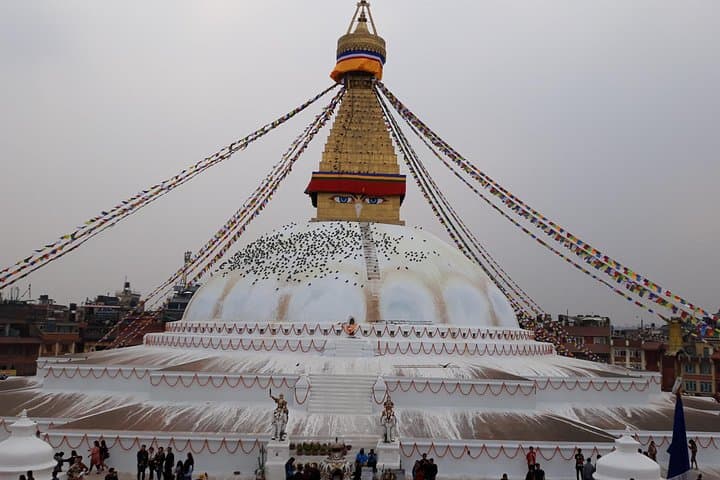
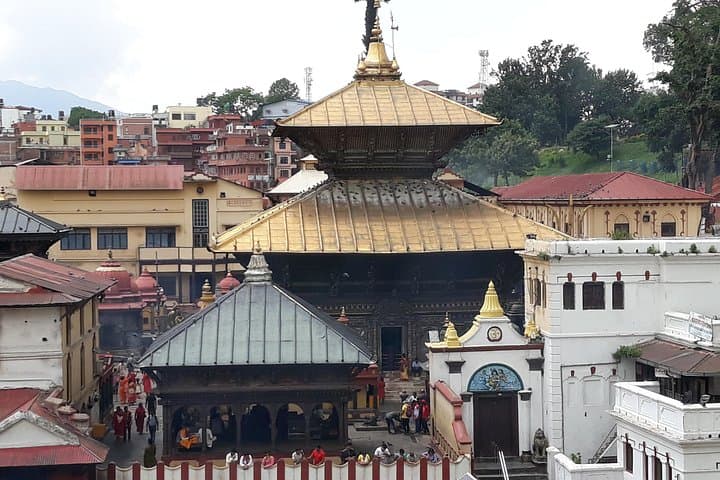
This overland yatra traces ancient pilgrimage lines: Hindu and Buddhist practitioners have circled Kailash for millennia, and Mansarovar remains a ritual bathing site. Geologically, the region is part of the trans-Himalayan range—sedimentary strata thrust skyward and carved by glacial action into steep passes like Lalung La and Dolma La. Culturally the route crosses Nepalese towns and Tibetan settlements; Tibetan Buddhist gompas and small village shrines punctuate the journey.
Expect high-altitude driving, guesthouse nights, and a 3-day parikrama (kora) that includes Dehra Puk and the demanding Dolma-La at roughly 5,900 m. Trail surfaces vary from packed dirt to scree; sections near the pass will have snow even in summer. Acclimatization days in Kerung and staged driving minimize acute altitude risks but prepare for long walking days—6–12 hours—on uneven terrain.
Practical guidance: book at least a month ahead to secure Tibet permits and arrive in Nepal several days early. Pack layered clothing for sudden wind and cold, sturdy boots for moraines and icy patches, and basic altitude medication after consulting a physician. Water purification, cash in local currency, and a small duffel for parikrama days will keep logistics simple. The yatra is austere but precise: spiritual purpose meets hard-edged alpine travel.
challenging.
12–14 days.
Good cardiovascular fitness and previous multi-day trekking experience recommended; ability to handle long days at altitude.
Yes, a Tibet Travel Permit is required; operators advise at least 25 days for processing and recommend booking one month before departure.
Dolma-La reaches about 5,900 m and involves 10–12 hours of strenuous ascent and descent on steep, rocky, and sometimes snowy terrain—prepare for altitude and long walking days.
Accommodation is mainly guesthouses and shared dormitory-style rooms on BB basis in remote areas; hotels in Kathmandu are 4-star per itinerary.
Acute Mountain Sickness is a real risk; the itinerary includes acclimatization days, but carry medication, ascend slowly, hydrate, and notify guides at any symptoms.
The route follows traditional pilgrimage paths linking Nepal and western Tibet; Kailash is sacred in Hinduism, Buddhism, Jainism, and Bon traditions.
The high plateau is ecologically fragile; stick to trails, carry out waste, and support local operators who follow low-impact practices.
Eve Holidays operates guided outdoor trips and adventures with an emphasis on safety, stewardship, and memorable experiences.
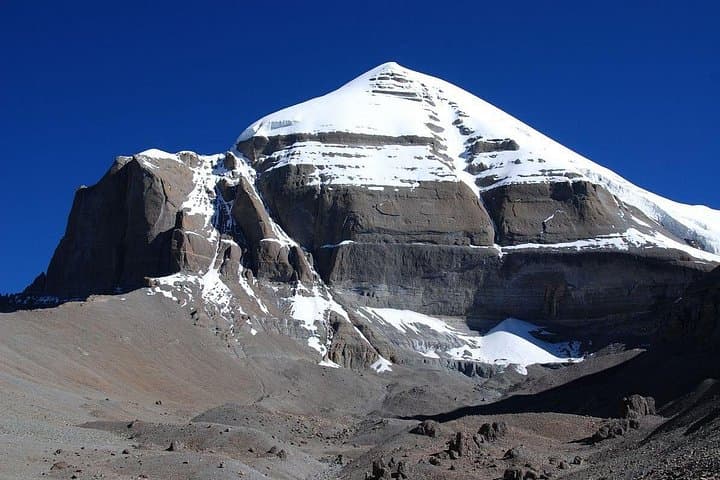
You step out of the van at 3,600 meters and the air is thin and immediate—a cold clarity that makes every footfall feel deliberate. The road from Kathmandu to Kerung narrows into Himalayan switchbacks, then opens onto vast, wind-scoured plateaus where Mount Kailash and Lake Mansarovar dominate the horizon with austere geometry.
You step out of the van at 3,600 meters and the air is thin and immediate—a cold clarity that makes every footfall feel deliberate. The road from Kathmandu to Kerung narrows into Himalayan switchbacks, then opens onto vast, wind-scoured plateaus where Mount Kailash and Lake Mansarovar dominate the horizon with austere geometry.
This overland yatra traces ancient pilgrimage lines: Hindu and Buddhist practitioners have circled Kailash for millennia, and Mansarovar remains a ritual bathing site. Geologically, the region is part of the trans-Himalayan range—sedimentary strata thrust skyward and carved by glacial action into steep passes like Lalung La and Dolma La. Culturally the route crosses Nepalese towns and Tibetan settlements; Tibetan Buddhist gompas and small village shrines punctuate the journey.
Expect high-altitude driving, guesthouse nights, and a 3-day parikrama (kora) that includes Dehra Puk and the demanding Dolma-La at roughly 5,900 m. Trail surfaces vary from packed dirt to scree; sections near the pass will have snow even in summer. Acclimatization days in Kerung and staged driving minimize acute altitude risks but prepare for long walking days—6–12 hours—on uneven terrain.
Practical guidance: book at least a month ahead to secure Tibet permits and arrive in Nepal several days early. Pack layered clothing for sudden wind and cold, sturdy boots for moraines and icy patches, and basic altitude medication after consulting a physician. Water purification, cash in local currency, and a small duffel for parikrama days will keep logistics simple. The yatra is austere but precise: spiritual purpose meets hard-edged alpine travel.