THE ADVENTURE COLLECTIVE® · Independent discovery and booking for outdoor travel

A 14-day overland pilgrimage from Kathmandu to Mount Kailash and Lake Mansarovar that combines cultural sightseeing with a three-day kora around the sacred peak. Expect long drives, high-altitude trekking and immersive Tibetan rituals.
A 14-day overland pilgrimage from Kathmandu to Mount Kailash and Lake Mansarovar that combines cultural sightseeing with a three-day kora around the sacred peak. Expect long drives, high-altitude trekking and immersive Tibetan rituals.
You arrive in Kathmandu under a thin Himalayan sky, then a slow road unspools northward—terraced farms give way to high plateau, and the silhouette of Mount Kailash appears like a slow-breathed invitation. The air thins; prayer flags flick like small, stubborn claims on the wind as you reach Darchen, the last village before the kora begins.
Verified experiences and guided adventures in the surrounding area.
Operated by Swotah Travel and Adventure Pvt. Ltd. · Darchen, Tibet Autonomous Region
You arrive in Kathmandu under a thin Himalayan sky, then a slow road unspools northward—terraced farms give way to high plateau, and the silhouette of Mount Kailash appears like a slow-breathed invitation. The air thins; prayer flags flick like small, stubborn claims on the wind as you reach Darchen, the last village before the kora begins.
This itinerary pairs two distinct landscapes and traditions: Kathmandu’s centuries-old stupa and temple circuit, and the austere Tibetan plateau where geology reads in bare rock and glacial sweep. Mount Kailash (sacred to Hindus, Buddhists, Jains and Bon) is a stratified granitic peak carved by ancient uplift and ice; Lake Mansarovar sits nearby, its pale shore a place for ritual bathing and quiet reflection.
Cultural notes: the pilgrimage is as much about rhythm and rite as it is about scenery—circumambulation (kora) is measured in steps, chants and pauses for offering. Guides handle Tibetan permits and logistics; accommodation alternates between 3-star hotels, tea houses and tented stops on higher trails.
Practical guidance: plan for altitude—acclimatization days are built into the route. Expect long vehicle transfers (6–10 hours) on gravel and paved roads, and 3 days of kora with a crossing at Drolma La (~5,600 m). Footwear should be broken-in, layers are essential for big temperature swings, and hydration with slow ascents limits altitude strain.
Timing matters: spring and autumn give the best weather windows; winter is cold and roads can close. Leave space for cultural immersion—local monasteries and lakeside shrines reward slow exploration.
challenging.
12–14 days.
Good cardiovascular fitness and prior hiking experience at altitude recommended; able to walk 6–8 hours on varied terrain.
Yes—this overland tour includes the necessary Tibet permits and a Tibet Group Visa handled by the operator.
The kora is demanding due to altitude and a high-pass (Drolma La ~5,600 m); expect long walking days with loose rock and steep sections.
Accommodation varies from 3-star hotels in Kathmandu and Kerung to basic tea houses and guesthouses on the plateau; some nights may be simple and cold.
Late spring (May–June) and early autumn (September–October) offer the most stable weather and clearer mountain views.
Mount Kailash has been a pilgrimage destination for millennia, important to Hindu, Buddhist, Jain and Bon traditions and referenced in ancient regional scriptures.
Tour operators work within permit systems that limit independent access; travelers should avoid litter, respect ritual sites and minimize fuel and plastic use in remote camps.
Swotah Travel and Adventure Pvt. Ltd. operates guided outdoor trips and adventures with an emphasis on safety, stewardship, and memorable experiences.
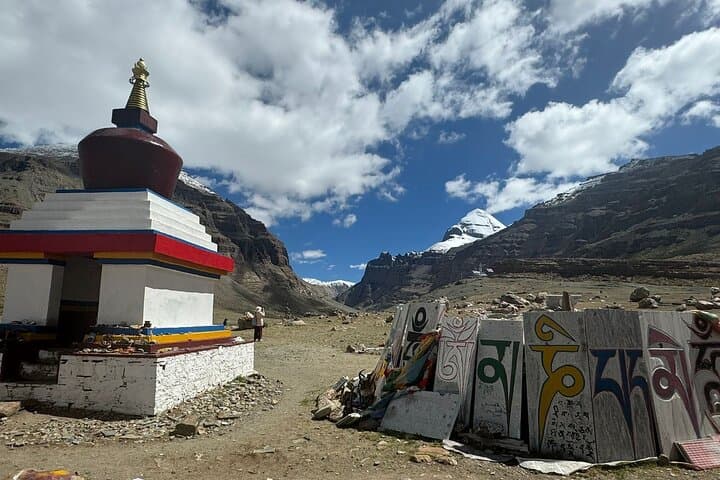
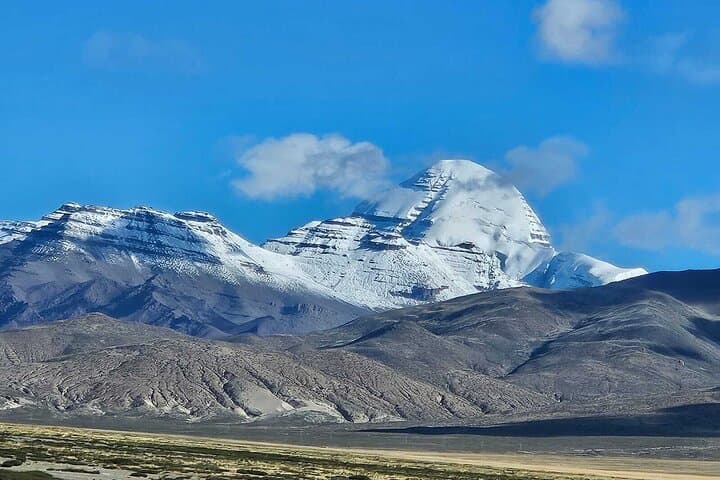
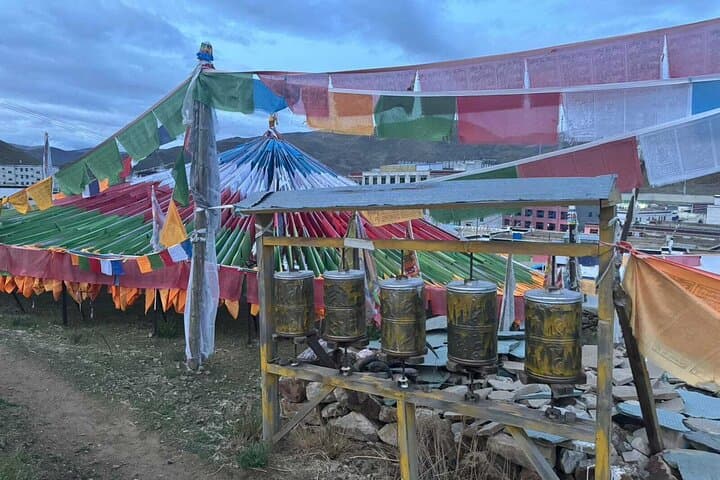
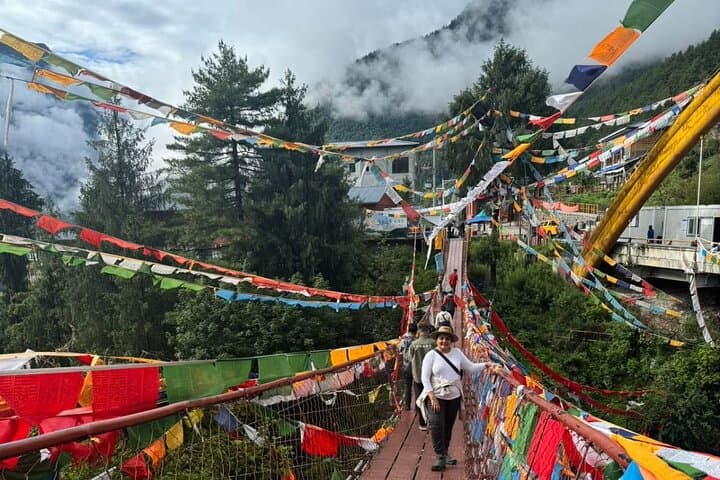
You arrive in Kathmandu under a thin Himalayan sky, then a slow road unspools northward—terraced farms give way to high plateau, and the silhouette of Mount Kailash appears like a slow-breathed invitation. The air thins; prayer flags flick like small, stubborn claims on the wind as you reach Darchen, the last village before the kora begins.
You arrive in Kathmandu under a thin Himalayan sky, then a slow road unspools northward—terraced farms give way to high plateau, and the silhouette of Mount Kailash appears like a slow-breathed invitation. The air thins; prayer flags flick like small, stubborn claims on the wind as you reach Darchen, the last village before the kora begins.
This itinerary pairs two distinct landscapes and traditions: Kathmandu’s centuries-old stupa and temple circuit, and the austere Tibetan plateau where geology reads in bare rock and glacial sweep. Mount Kailash (sacred to Hindus, Buddhists, Jains and Bon) is a stratified granitic peak carved by ancient uplift and ice; Lake Mansarovar sits nearby, its pale shore a place for ritual bathing and quiet reflection.
Cultural notes: the pilgrimage is as much about rhythm and rite as it is about scenery—circumambulation (kora) is measured in steps, chants and pauses for offering. Guides handle Tibetan permits and logistics; accommodation alternates between 3-star hotels, tea houses and tented stops on higher trails.
Practical guidance: plan for altitude—acclimatization days are built into the route. Expect long vehicle transfers (6–10 hours) on gravel and paved roads, and 3 days of kora with a crossing at Drolma La (~5,600 m). Footwear should be broken-in, layers are essential for big temperature swings, and hydration with slow ascents limits altitude strain.
Timing matters: spring and autumn give the best weather windows; winter is cold and roads can close. Leave space for cultural immersion—local monasteries and lakeside shrines reward slow exploration.