THE ADVENTURE COLLECTIVE® · Independent discovery and booking for outdoor travel

Board a purpose‑built catamaran at Kaikōura and head to an undersea canyon that draws giant sperm whales and lively dolphin pods year‑round. Expect interpretive commentary, easy access, and a 95% sighting success backed by a partial‑refund guarantee.
Board a purpose‑built catamaran at Kaikōura and head to an undersea canyon that draws giant sperm whales and lively dolphin pods year‑round. Expect interpretive commentary, easy access, and a 95% sighting success backed by a partial‑refund guarantee.
The wind off the South Pacific slaps the chrome rail as the catamaran slips past the rocky Kaikōura peninsula. Offshore, gulls wheel and the sea surface changes—slick lines of bait, the spray from a distant blow. Standing on deck the scale of place becomes obvious: snow‑tipped mountains drop straight to deep, cold water, and the canyon beyond the shelf murmurs of life that only this meeting of geology and current can sustain.
Verified experiences and guided adventures in the surrounding area.
Operated by Whale Watch Kaikoura Ltd · Kaikoura, Canterbury
The wind off the South Pacific slaps the chrome rail as the catamaran slips past the rocky Kaikōura peninsula. Offshore, gulls wheel and the sea surface changes—slick lines of bait, the spray from a distant blow. Standing on deck the scale of place becomes obvious: snow‑tipped mountains drop straight to deep, cold water, and the canyon beyond the shelf murmurs of life that only this meeting of geology and current can sustain.
Kaikōura’s story is written in collision: Pacific and Australian plates, an underwater canyon that funnels nutrients, and a human history tied to whales—most famously the Māori ancestor Paikea. The town’s fishing and artistic culture grew around seafood, talc‑white cliffs and recent, dramatic uplift from the 2016 earthquake. That geology is why Giant Sperm Whales and pods of dusky dolphins visit year‑round; operators run purpose‑built catamarans with an experienced crew and educational commentary.
Practically: tours run daily and take about 3.5 hours total (up to 2.5 hours on the water). Whale Watch reports ~95% sighting success and an 80% refund if no whale is seen. The operation is wheelchair accessible, has set check‑in times, and a minimum child age (usually 3+). Dress in warm layers, bring waterproofs for the outer decks, and consider motion‑sickness prevention. Book early—sailings fill fast in summer—and call on the morning if weather looks doubtful. Onboard, respect crew instructions: sightings are best observed quietly from the outer decks and binoculars and a camera make the encounter feel at-scale. This is a low‑effort, high‑reward way to meet one of the ocean’s largest predators while learning the natural and cultural forces that shape Kaikōura.
easy.
3–4 hours (including transfers); up to 2.5 hours on water.
Suitable for most fitness levels; ability to step on/off small buses and climb a few vessel steps required
Whale Watch reports a ~95% sighting success; if no whale is seen they offer an 80% refund—still check the operator’s specific guarantee and terms.
Allow about 3.5 hours total including transfers and briefing; up to 2.5 hours is spent on the water depending on sightings and conditions.
Tours are wheelchair accessible and suitable for most fitness levels; minimum child age is generally 3 years but may be raised for safety in rough seas—contact the operator if you have mobility concerns.
Dress in warm layers and a windproof/waterproof outer layer, wear non‑slip shoes, bring binoculars and seasickness medication if needed.
Māori tradition links Kaikōura to the ancestor Paikea; modern history includes tectonic uplift from the 2016 earthquake that reshaped the coastline.
Operators follow marine mammal approach rules and educational practices to minimize disturbance; stay back onshore and avoid feeding wildlife to reduce human impact.
Whale Watch Kaikoura Ltd operates guided outdoor trips and adventures with an emphasis on safety, stewardship, and memorable experiences.
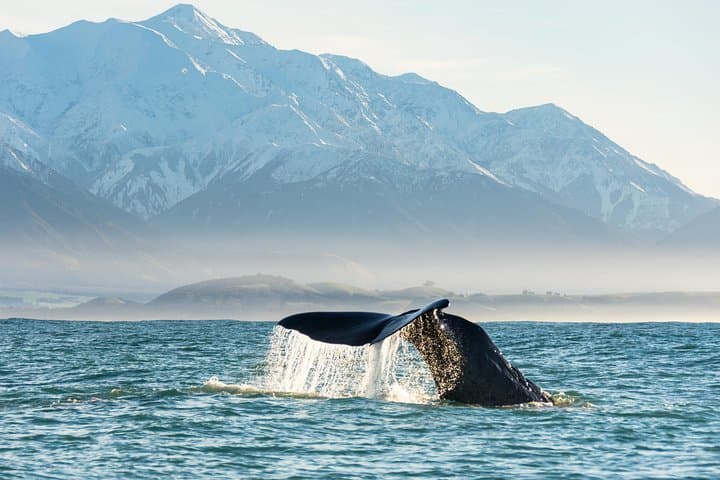
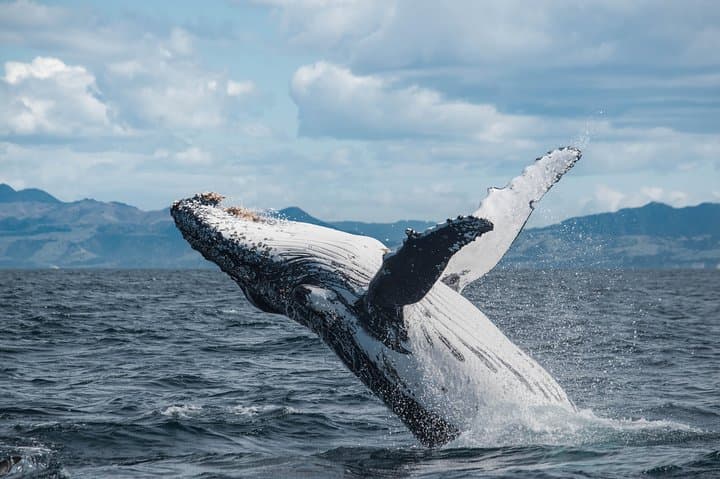
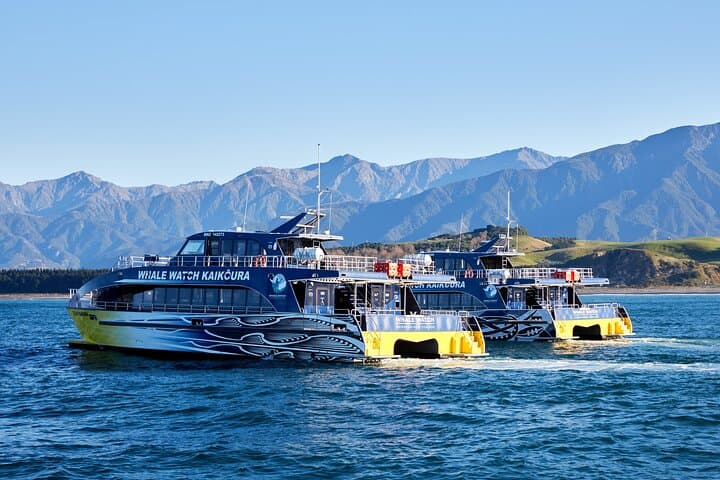
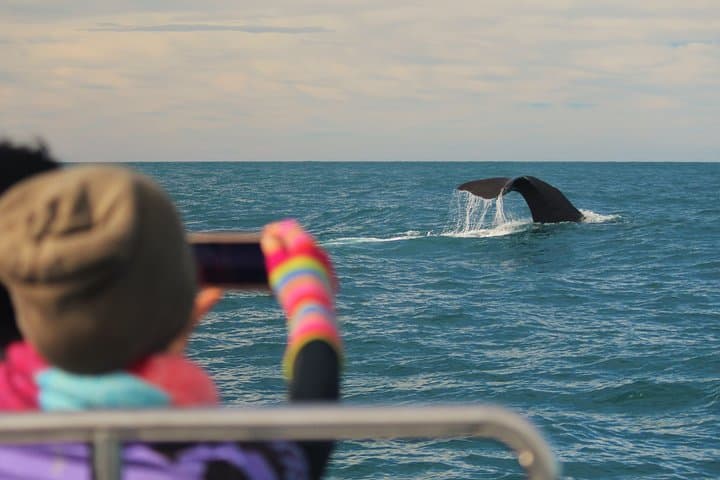
The wind off the South Pacific slaps the chrome rail as the catamaran slips past the rocky Kaikōura peninsula. Offshore, gulls wheel and the sea surface changes—slick lines of bait, the spray from a distant blow. Standing on deck the scale of place becomes obvious: snow‑tipped mountains drop straight to deep, cold water, and the canyon beyond the shelf murmurs of life that only this meeting of geology and current can sustain.
The wind off the South Pacific slaps the chrome rail as the catamaran slips past the rocky Kaikōura peninsula. Offshore, gulls wheel and the sea surface changes—slick lines of bait, the spray from a distant blow. Standing on deck the scale of place becomes obvious: snow‑tipped mountains drop straight to deep, cold water, and the canyon beyond the shelf murmurs of life that only this meeting of geology and current can sustain.
Kaikōura’s story is written in collision: Pacific and Australian plates, an underwater canyon that funnels nutrients, and a human history tied to whales—most famously the Māori ancestor Paikea. The town’s fishing and artistic culture grew around seafood, talc‑white cliffs and recent, dramatic uplift from the 2016 earthquake. That geology is why Giant Sperm Whales and pods of dusky dolphins visit year‑round; operators run purpose‑built catamarans with an experienced crew and educational commentary.
Practically: tours run daily and take about 3.5 hours total (up to 2.5 hours on the water). Whale Watch reports ~95% sighting success and an 80% refund if no whale is seen. The operation is wheelchair accessible, has set check‑in times, and a minimum child age (usually 3+). Dress in warm layers, bring waterproofs for the outer decks, and consider motion‑sickness prevention. Book early—sailings fill fast in summer—and call on the morning if weather looks doubtful. Onboard, respect crew instructions: sightings are best observed quietly from the outer decks and binoculars and a camera make the encounter feel at-scale. This is a low‑effort, high‑reward way to meet one of the ocean’s largest predators while learning the natural and cultural forces that shape Kaikōura.