THE ADVENTURE COLLECTIVE® · Independent discovery and booking for outdoor travel

Glide beneath a rainforest canopy and follow a calm river to a coral-fringed bay on this self-guided kayak tour of Kahana River. Ideal for beginners, the trip pairs easy paddling with cultural and natural history along Oahu’s windward coast.
Glide beneath a rainforest canopy and follow a calm river to a coral-fringed bay on this self-guided kayak tour of Kahana River. Ideal for beginners, the trip pairs easy paddling with cultural and natural history along Oahu’s windward coast.
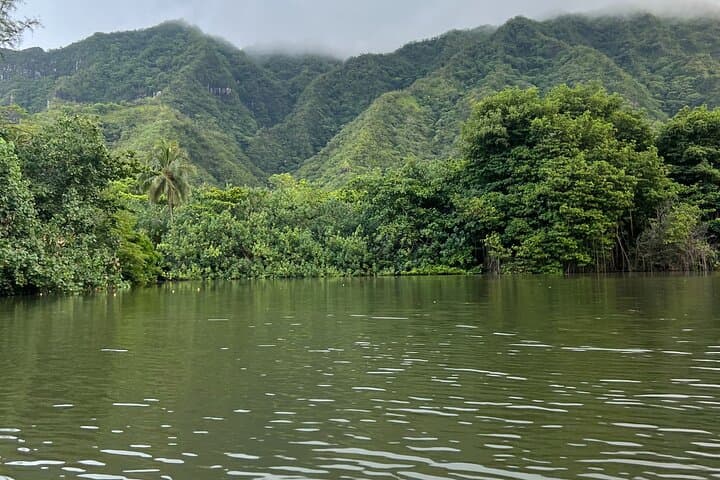
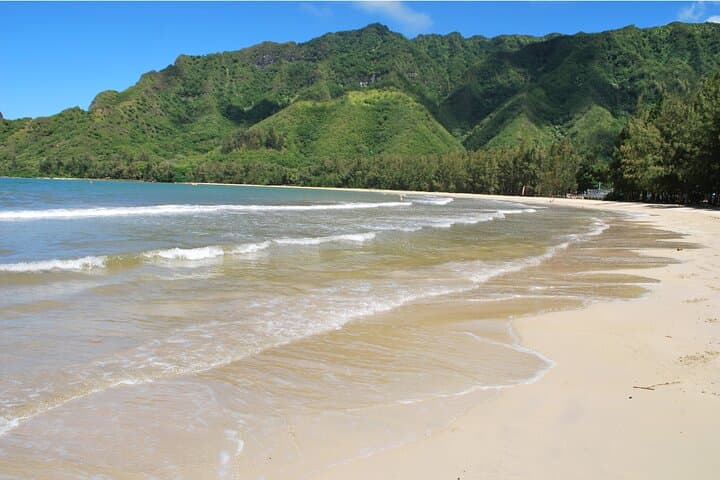
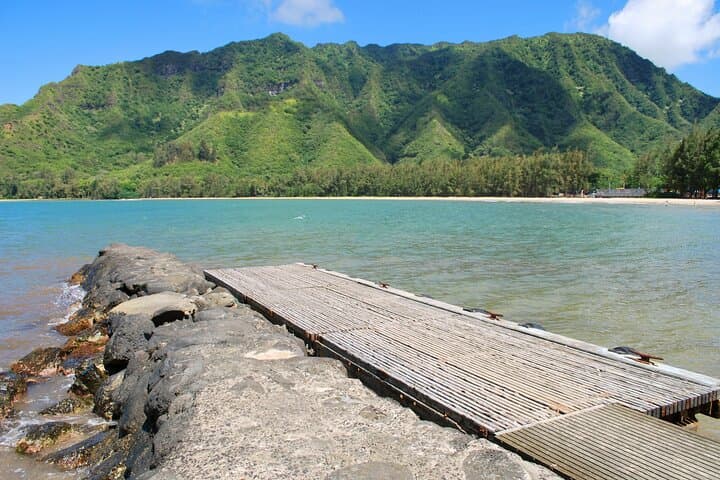
The oar drops into glassy water and the river answers with a soft, secret rush—an invitation rather than a challenge. Morning light filters through the canopy of hau and kukui, casting moving lattices across your deck as you push off from Kahana Bay. The valley breathes around you: the Koolau Range rising dark and mossy to the west, birds calling from mangrove margins, and the steady line of surf where the river meets the reef.
Verified experiences and guided adventures in the surrounding area.
Operated by Salty Kayaks Hawaii · Kahana, Hawaii
The oar drops into glassy water and the river answers with a soft, secret rush—an invitation rather than a challenge. Morning light filters through the canopy of hau and kukui, casting moving lattices across your deck as you push off from Kahana Bay. The valley breathes around you: the Koolau Range rising dark and mossy to the west, birds calling from mangrove margins, and the steady line of surf where the river meets the reef.
Kahana Valley has been lived in and cultivated for centuries. Ancient Hawaiian communities shaped this estuary with taro loʻi and fishponds; the river fed crops and cupped cultural practice. Geologically the valley is a steep-walled breach in the windward Koolau volcano, carved by rainfall and time; the freshwater ribbon you follow carries mountain runoff to a coral-fringed sea, creating a calm, shallow corridor ideal for beginners.
The river itself is small and patient. Mangroves and native growth lean in as if to watch you pass, and birdlife treats the channel like a highway—herons and egrets stalking the shallows, reef fish flashing where sunlight pierces. Culturally the route remains quiet territory: local stewards and community groups work to maintain taro patches and protect the estuary, so paddlers are asked to move with respect—quiet voices, slow turns, and no trespass into cultivated areas.
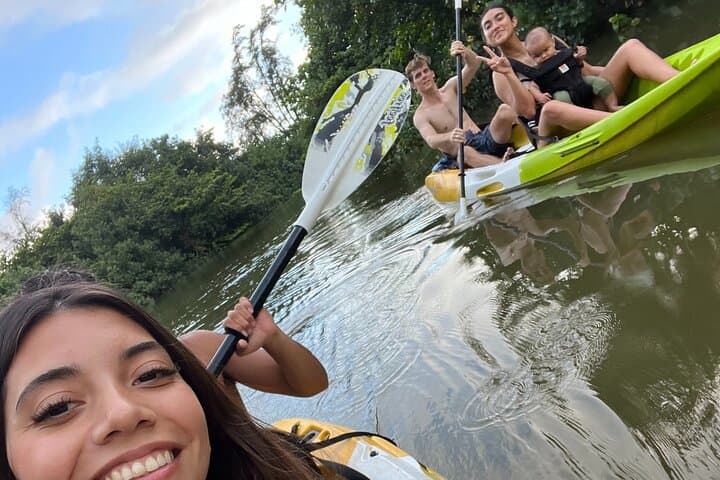
This self-guided outing is pragmatic and simple. Equipment—recreational kayaks, life vests, 10L dry bags, and optional SUPs—is provided and explained at a meet-up at Kahana Bay Beach Park, where the outfitters drop gear from a black pickup. The route is calm, suitable for first-timers, and designed to let the landscape set the pace.
Practicalities matter: aim for early morning when trade winds are light and the light is best for photos; bring reef-safe sunscreen and hydrate for tropical sun. Wear quick-dry layers and reef shoes for launches, and use the dry bags for camera and phone—the river’s small eddies and the bay’s chop near the mouth will test loose gear. Check tides and local weather—the operator cancels in poor conditions and recommends basic cardiovascular health. Park in the lot at the beach park and arrive 15 minutes early for orientation.
Kahana River paddling is an intimate, low-impact way to read Oahu’s windward landscape: slow enough to notice the work of loʻi, bright enough to spot a flash of fish, and direct enough to give a clear sense of island hydrology and history. For travelers who want quiet nature, cultural context, and simple logistics, the self-guided kayak is an accessible route into one of Oahu’s more private corners.
easy.
3 hours.
Basic fitness—able to paddle continuously for short stretches and handle entry/exit from shore.
No—this self-guided tour uses stable recreational kayaks suitable for beginners; staff provide basic instruction before launch.
Meet at Kahana Bay Beach Park (49-479 Kamehameha Hwy); free parking is available in the lot—look for the black pickup from the outfitter.
Yes—life vests are included and required for all participants.
Infants must sit on an adult’s lap; check operator age and weight limits during booking for older children.
The operator cancels for unsafe weather; full refunds are available if you cancel at least 24 hours before departure per policy.
Cell service is intermittent in the valley; keep essentials in a dry bag and inform someone of your plans before launching.
Kahana Valley was a long-inhabited ahupuaa with taro cultivation and fishponds; the estuary supported native Hawaiian communities for generations.
Local groups monitor water quality and taro restoration—paddlers are asked to use reef-safe products and avoid trampling shoreline vegetation.
Salty Kayaks Hawaii operates guided outdoor trips and adventures with an emphasis on safety, stewardship, and memorable experiences.
The oar drops into glassy water and the river answers with a soft, secret rush—an invitation rather than a challenge. Morning light filters through the canopy of hau and kukui, casting moving lattices across your deck as you push off from Kahana Bay. The valley breathes around you: the Koolau Range rising dark and mossy to the west, birds calling from mangrove margins, and the steady line of surf where the river meets the reef.
The oar drops into glassy water and the river answers with a soft, secret rush—an invitation rather than a challenge. Morning light filters through the canopy of hau and kukui, casting moving lattices across your deck as you push off from Kahana Bay. The valley breathes around you: the Koolau Range rising dark and mossy to the west, birds calling from mangrove margins, and the steady line of surf where the river meets the reef.
Kahana Valley has been lived in and cultivated for centuries. Ancient Hawaiian communities shaped this estuary with taro loʻi and fishponds; the river fed crops and cupped cultural practice. Geologically the valley is a steep-walled breach in the windward Koolau volcano, carved by rainfall and time; the freshwater ribbon you follow carries mountain runoff to a coral-fringed sea, creating a calm, shallow corridor ideal for beginners.
The river itself is small and patient. Mangroves and native growth lean in as if to watch you pass, and birdlife treats the channel like a highway—herons and egrets stalking the shallows, reef fish flashing where sunlight pierces. Culturally the route remains quiet territory: local stewards and community groups work to maintain taro patches and protect the estuary, so paddlers are asked to move with respect—quiet voices, slow turns, and no trespass into cultivated areas.
This self-guided outing is pragmatic and simple. Equipment—recreational kayaks, life vests, 10L dry bags, and optional SUPs—is provided and explained at a meet-up at Kahana Bay Beach Park, where the outfitters drop gear from a black pickup. The route is calm, suitable for first-timers, and designed to let the landscape set the pace.
Practicalities matter: aim for early morning when trade winds are light and the light is best for photos; bring reef-safe sunscreen and hydrate for tropical sun. Wear quick-dry layers and reef shoes for launches, and use the dry bags for camera and phone—the river’s small eddies and the bay’s chop near the mouth will test loose gear. Check tides and local weather—the operator cancels in poor conditions and recommends basic cardiovascular health. Park in the lot at the beach park and arrive 15 minutes early for orientation.
Kahana River paddling is an intimate, low-impact way to read Oahu’s windward landscape: slow enough to notice the work of loʻi, bright enough to spot a flash of fish, and direct enough to give a clear sense of island hydrology and history. For travelers who want quiet nature, cultural context, and simple logistics, the self-guided kayak is an accessible route into one of Oahu’s more private corners.