THE ADVENTURE COLLECTIVE® · Independent discovery and booking for outdoor travel

Pair quiet sumi brushwork with the measured power of karate in a 90-minute hands-on session in Kagoshima. Small groups and expert instructors make this a compact introduction to two pillars of Japanese discipline.
Pair quiet sumi brushwork with the measured power of karate in a 90-minute hands-on session in Kagoshima. Small groups and expert instructors make this a compact introduction to two pillars of Japanese discipline.
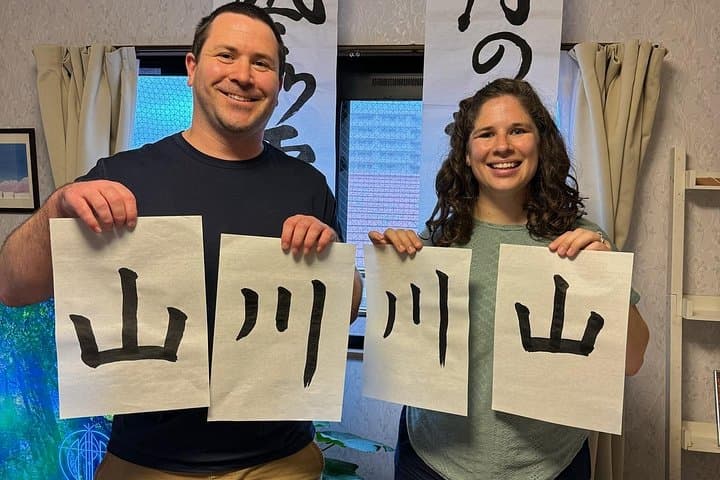
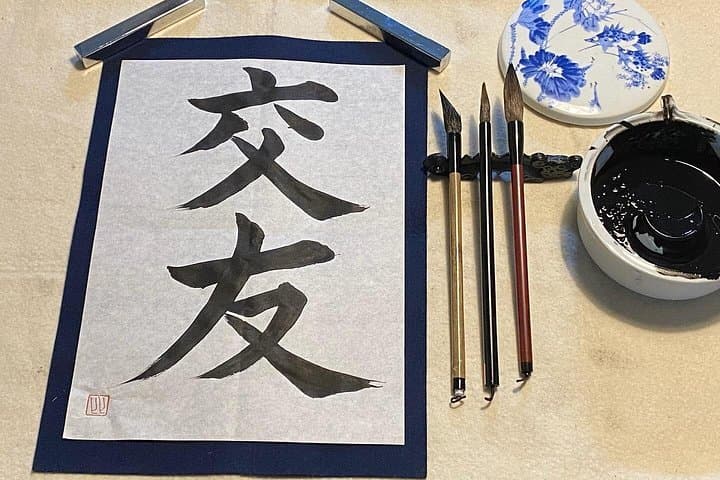
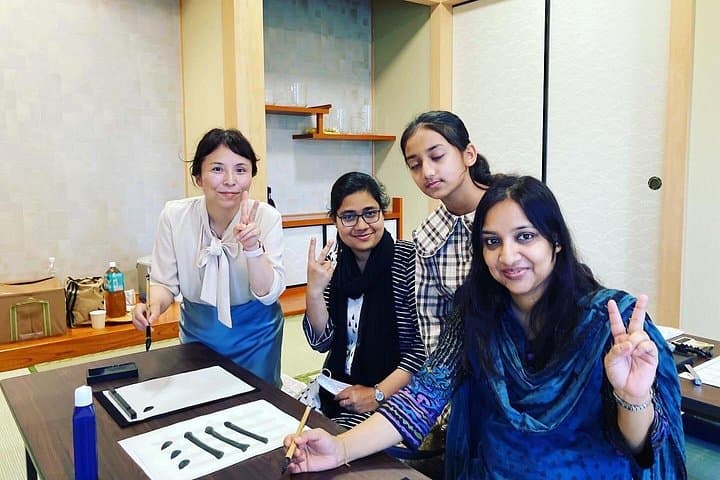
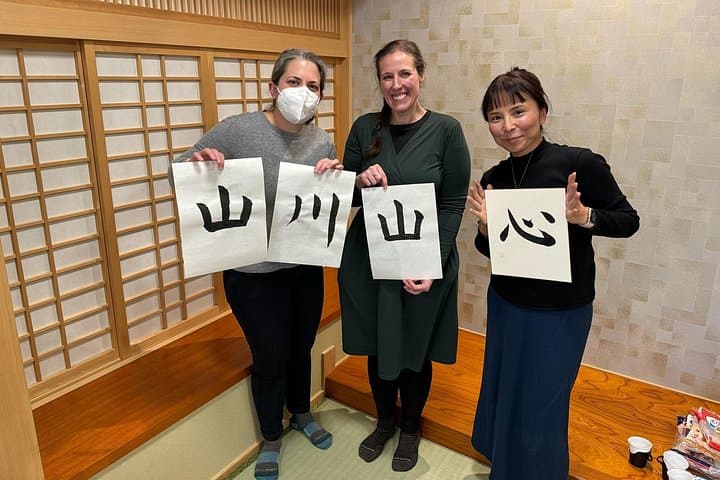
Step into a tatami room where the air smells faintly of rice straw and sumi ink, and a moment of silence stretches before a practiced brush touches paper. The session begins with measured strokes—slow, deliberate—each movement teaching patience as much as technique. Then the floorboards of a nearby dojo take over: breath quickens, feet find stance, and a basic kata carves space through the room.
Verified experiences and guided adventures in the surrounding area.
Operated by H.I.S.Co., Ltd. · Kagoshima, Kagoshima Prefecture
Step into a tatami room where the air smells faintly of rice straw and sumi ink, and a moment of silence stretches before a practiced brush touches paper. The session begins with measured strokes—slow, deliberate—each movement teaching patience as much as technique. Then the floorboards of a nearby dojo take over: breath quickens, feet find stance, and a basic kata carves space through the room.
Kagoshima carries the imprint of the Satsuma domain; its martial tradition and refined arts reflect a history of disciplined craft. Calligraphy here borrows from Zen-inflected aesthetics—empty space is as important as ink—while karate’s lineage in southern Japan emphasizes balance between motion and stillness. The experience pairs both practices to show complementary ways of training focus and presence.
Expect small-group instruction, hands-on guidance with brushes and ink, and a short kata lesson suitable for beginners. Photographs and a completion certificate close the session. The activity runs about 90 minutes in a climate-controlled indoor setting near central Kagoshima, accessible by public transit.
Practical tips: arrive 10 minutes early, wear clothing you can move in, and be prepared to remove shoes for tatami. Participants should have moderate fitness—able to kneel and perform basic martial stances—and be mindful of the provider’s medical restrictions. Whether you’re after a cultural snapshot or a tactile introduction to Japanese discipline, this combo delivers focused, compact learning and a memorable keepsake.
moderate.
1.5 hours.
Moderate—able to kneel on tatami, stand and move through basic stances; not highly strenuous.
No—this program is designed for beginners with step-by-step instruction and small groups for personalized guidance.
Participants aged 6 and older can join; children must be accompanied by a parent or guardian at all times.
Wear comfortable clothes you can move in; karate uniforms are available to rent—state your height when booking to ensure correct sizing.
All sales are final for this activity; no refunds are provided, so confirm plans before booking.
Kagoshima was the seat of the Shimazu clan (Satsuma domain), a region known for martial training and refined arts; local culture blends samurai-era formality with island influences.
Small cultural experiences minimize environmental impact—treat tatami and tools respectfully, and support local instructors and artisans to keep traditions viable.
H.I.S.Co., Ltd. operates guided outdoor trips and adventures with an emphasis on safety, stewardship, and memorable experiences.
Step into a tatami room where the air smells faintly of rice straw and sumi ink, and a moment of silence stretches before a practiced brush touches paper. The session begins with measured strokes—slow, deliberate—each movement teaching patience as much as technique. Then the floorboards of a nearby dojo take over: breath quickens, feet find stance, and a basic kata carves space through the room.
Step into a tatami room where the air smells faintly of rice straw and sumi ink, and a moment of silence stretches before a practiced brush touches paper. The session begins with measured strokes—slow, deliberate—each movement teaching patience as much as technique. Then the floorboards of a nearby dojo take over: breath quickens, feet find stance, and a basic kata carves space through the room.
Kagoshima carries the imprint of the Satsuma domain; its martial tradition and refined arts reflect a history of disciplined craft. Calligraphy here borrows from Zen-inflected aesthetics—empty space is as important as ink—while karate’s lineage in southern Japan emphasizes balance between motion and stillness. The experience pairs both practices to show complementary ways of training focus and presence.
Expect small-group instruction, hands-on guidance with brushes and ink, and a short kata lesson suitable for beginners. Photographs and a completion certificate close the session. The activity runs about 90 minutes in a climate-controlled indoor setting near central Kagoshima, accessible by public transit.
Practical tips: arrive 10 minutes early, wear clothing you can move in, and be prepared to remove shoes for tatami. Participants should have moderate fitness—able to kneel and perform basic martial stances—and be mindful of the provider’s medical restrictions. Whether you’re after a cultural snapshot or a tactile introduction to Japanese discipline, this combo delivers focused, compact learning and a memorable keepsake.