THE ADVENTURE COLLECTIVE® · Independent discovery and booking for outdoor travel

Drive into the dramatic Qadisha Valley for a day of off-road exploration and a four-hour hike that links cliffside monasteries, a hermitage, and the ancient Cedars Forest. This full-day tour weaves history, geology and hands-on outdoor time with practical comforts: water, picnic lunch and transfers.
Drive into the dramatic Qadisha Valley for a day of off-road exploration and a four-hour hike that links cliffside monasteries, a hermitage, and the ancient Cedars Forest. This full-day tour weaves history, geology and hands-on outdoor time with practical comforts: water, picnic lunch and transfers.
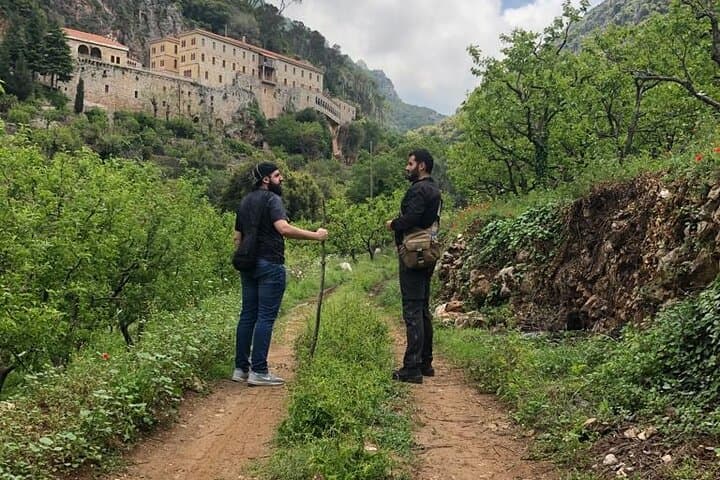
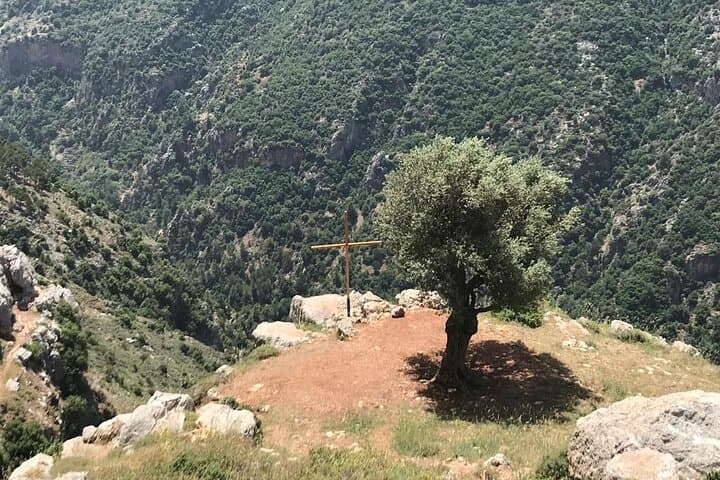
The road falls away and the Qadisha Valley opens like a carved gorge, walls of limestone sliding into a ribbon of olive and cedar below. You step out where the air thins and the sound changes—wind moving through pines, water finding its way down ancient channels, and monasteries perched like watchful guests on the cliffs.
Verified experiences and guided adventures in the surrounding area.
Operated by Emmanuel · Bcharre, North Governorate
The road falls away and the Qadisha Valley opens like a carved gorge, walls of limestone sliding into a ribbon of olive and cedar below. You step out where the air thins and the sound changes—wind moving through pines, water finding its way down ancient channels, and monasteries perched like watchful guests on the cliffs.
This full-day off-road and hiking tour traces 1,000 years of monastic history and the geology that shaped it. The valley was a refuge for Christian hermits from late antiquity and later hosted medieval confrontations; the Monastery of Saint Anthony in Qozhaya houses one of the first Gutenberg printing presses brought to the Middle East. The rock here is karst limestone—sharp ridges, narrow ledges and springs that sustain small mountain villages like Fraidis.
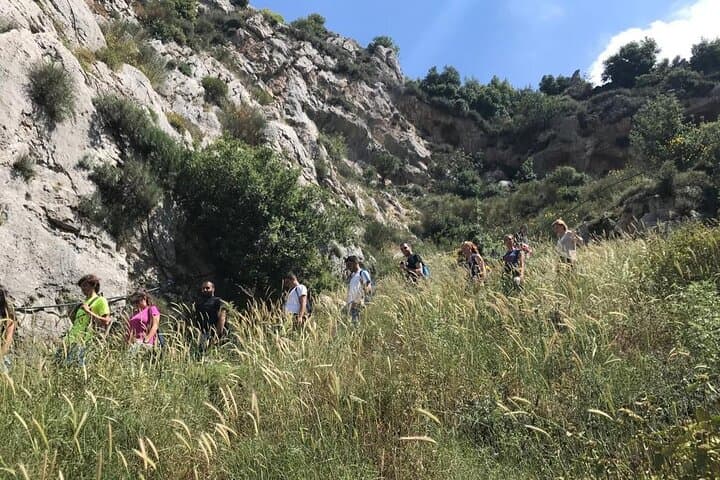
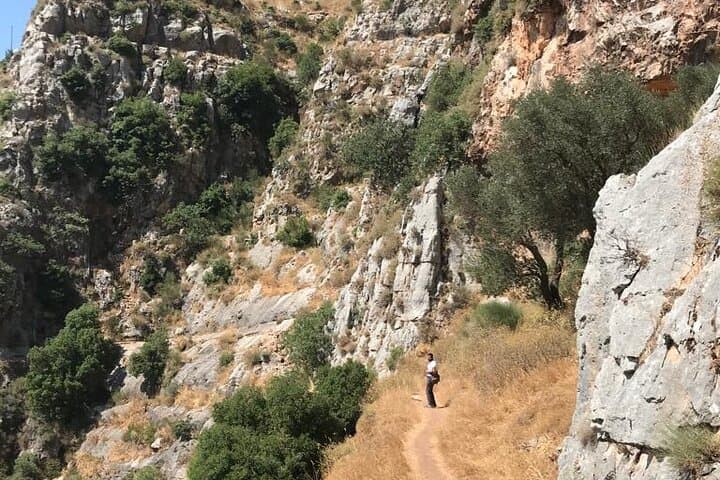
Expect four hours of walking on mixed terrain: dusty mule tracks, steep stone steps, and short, rocky scrambles between historic sites—Qannoubine, Hawqa hermitage and the Saint Lishaa and Saint Marina complexes. The day finishes with a short wander among the Cedars Forest near Bcharre, where ancient cedars stand with gnarled trunks and a deep conservation story.
Practical notes: bring layered clothing for changing mountain sun and wind, sturdy shoes with grip, and 2–3 liters of water; the operator provides bottled water and a picnic lunch. Trails can be muddy in spring and snowy in winter; the itinerary includes off-road transfers, moderate fitness is required, and the tour may be canceled in bad weather. Start early from Beirut to make the most of light and to avoid mid-day heat in summer.
moderate.
10–12 hours.
Suitable for travelers with moderate fitness—comfortable walking on uneven terrain and sustained uphill or downhill sections.
The tour includes about four hours of walking on mixed terrain with moderate elevation change; participants should be comfortable with several hours of sustained hiking.
The tour departs from Beirut and includes transfer; confirm your pickup point when booking as times vary with traffic and season.
Yes—lunch (picnic-style) and applicable fees are included; bottled water is provided in the morning with refill stops during the hike.
The operator may cancel for safety in bad weather; winter snow or heavy rain can close sections of the valley and the cedars plateau.
Qadisha Valley has been a center of Christian monasticism since late antiquity; the Monastery of Saint Anthony in Qozhaya preserves an early printing press introduced to the region.
The Cedars Forest is a protected site with active restoration programs; stick to trails, avoid disturbing vegetation, and carry out waste to reduce impact.
Emmanuel operates guided outdoor trips and adventures with an emphasis on safety, stewardship, and memorable experiences.
The road falls away and the Qadisha Valley opens like a carved gorge, walls of limestone sliding into a ribbon of olive and cedar below. You step out where the air thins and the sound changes—wind moving through pines, water finding its way down ancient channels, and monasteries perched like watchful guests on the cliffs.
The road falls away and the Qadisha Valley opens like a carved gorge, walls of limestone sliding into a ribbon of olive and cedar below. You step out where the air thins and the sound changes—wind moving through pines, water finding its way down ancient channels, and monasteries perched like watchful guests on the cliffs.
This full-day off-road and hiking tour traces 1,000 years of monastic history and the geology that shaped it. The valley was a refuge for Christian hermits from late antiquity and later hosted medieval confrontations; the Monastery of Saint Anthony in Qozhaya houses one of the first Gutenberg printing presses brought to the Middle East. The rock here is karst limestone—sharp ridges, narrow ledges and springs that sustain small mountain villages like Fraidis.
Expect four hours of walking on mixed terrain: dusty mule tracks, steep stone steps, and short, rocky scrambles between historic sites—Qannoubine, Hawqa hermitage and the Saint Lishaa and Saint Marina complexes. The day finishes with a short wander among the Cedars Forest near Bcharre, where ancient cedars stand with gnarled trunks and a deep conservation story.
Practical notes: bring layered clothing for changing mountain sun and wind, sturdy shoes with grip, and 2–3 liters of water; the operator provides bottled water and a picnic lunch. Trails can be muddy in spring and snowy in winter; the itinerary includes off-road transfers, moderate fitness is required, and the tour may be canceled in bad weather. Start early from Beirut to make the most of light and to avoid mid-day heat in summer.