THE ADVENTURE COLLECTIVE® · Independent discovery and booking for outdoor travel

Step into Kadadasi for a close-up of handmade paper, permaculture practice and community-led reforestation near Negombo. This 2–3 hour tour pairs hands-on craft demos with a walk through a forty-year man-made forest.
Step into Kadadasi for a close-up of handmade paper, permaculture practice and community-led reforestation near Negombo. This 2–3 hour tour pairs hands-on craft demos with a walk through a forty-year man-made forest.
You arrive off a quiet rural lane and the air is green — warm, damp soil, tea steam, and the sharp citrus of banana fibre drying in the sun. Kadadasi’s workshop sits beside a hand-grown forest cultivated over decades; women at wooden tables work recycled paper into sheets while the surrounding trees hum with birds and insects.
Verified experiences and guided adventures in the surrounding area.
Operated by Kadadasi and the Backyard Forest · Negombo, Western Province
You arrive off a quiet rural lane and the air is green — warm, damp soil, tea steam, and the sharp citrus of banana fibre drying in the sun. Kadadasi’s workshop sits beside a hand-grown forest cultivated over decades; women at wooden tables work recycled paper into sheets while the surrounding trees hum with birds and insects.
This visit traces craft, community and conservation. Paper-making in Sri Lanka draws on centuries of craft adaptation; here local materials — banana fiber, recycled paper — become cards, journals and plantable souvenirs. The backyard forest, grown since the 1980s using permaculture principles, demonstrates active reforestation: mixed native and fruit trees planted to stabilize soil and attract wildlife. Culturally, the project is led by rural women, combining cottage industry with ecological stewardship.
Geologically the area is lowland wet-zone plains near Negombo Lagoon, where alluvial soil and a high water table support rapid growth and a dense understory.
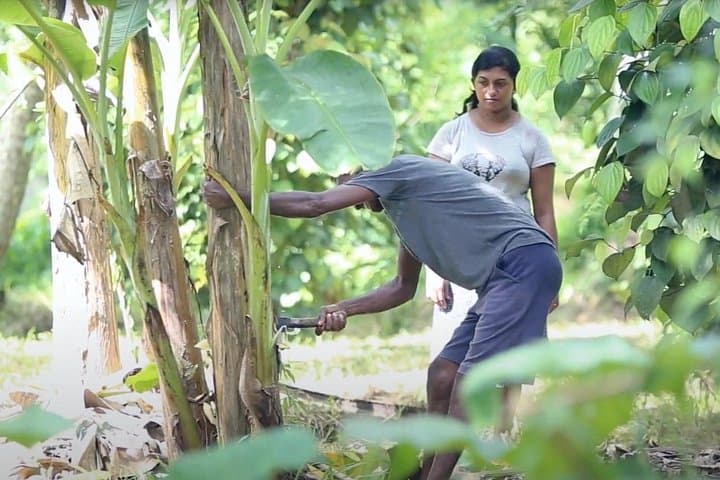
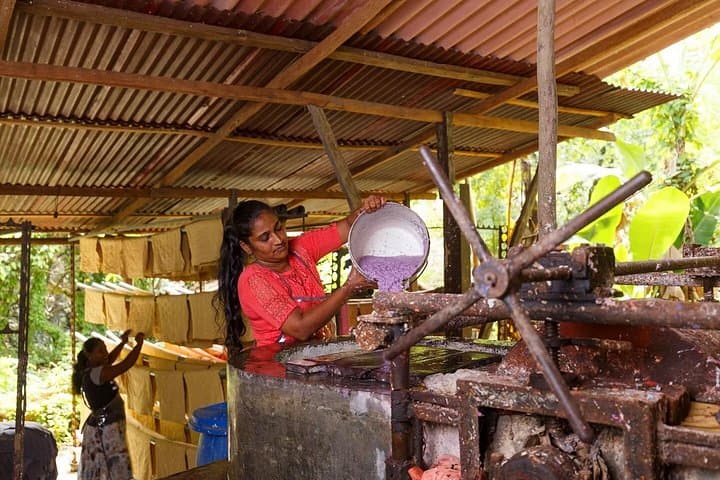
Practical guidance: wear sturdy, closed-toe shoes for muddy paths and shifting ground, and long sleeves later in the day for mosquitoes. The workshop is hands-on — you can watch banana fibre processing and try deckle-and-mould forming; expect light walking across uneven trails and stepped seating. Bring cash for small purchases and a reusable bottle; refreshments are included, and a plantable seed card is yours to take.
Timing matters: mornings bring cooler temperatures and more bird activity, while afternoons are better for quieter demonstrations. Respect production areas, photograph with permission, and leave no trace — the project’s value is both cultural and ecological.
easy.
2–3 hours.
Suitable for most people; involves light walking on uneven, sometimes muddy terrain and brief standing during demonstrations.
The experience runs about 2–3 hours, including a guided workshop, a walk through the permaculture forest and refreshments.
Yes — the tour is rated easy and is family-friendly, but there is light walking and some uneven ground; inform the operator of mobility concerns when booking.
Yes, handcrafted paper goods and plantable souvenirs are typically available for purchase; bring small denomination cash or confirm card options in advance.
Basic facilities and shaded rest areas are provided near the workshop; facilities are modest and aligned with the project’s rural setting.
The backyard forest was developed over roughly 40 years using permaculture and community reforestation practices, demonstrating small-scale alternatives to commercial logging.
Kadadasi combines low-waste paper-making with reforestation and local livelihoods—visitors are encouraged to minimize waste, avoid single-use plastics, and support local products to sustain the initiative.
Kadadasi and the Backyard Forest operates guided outdoor trips and adventures with an emphasis on safety, stewardship, and memorable experiences.
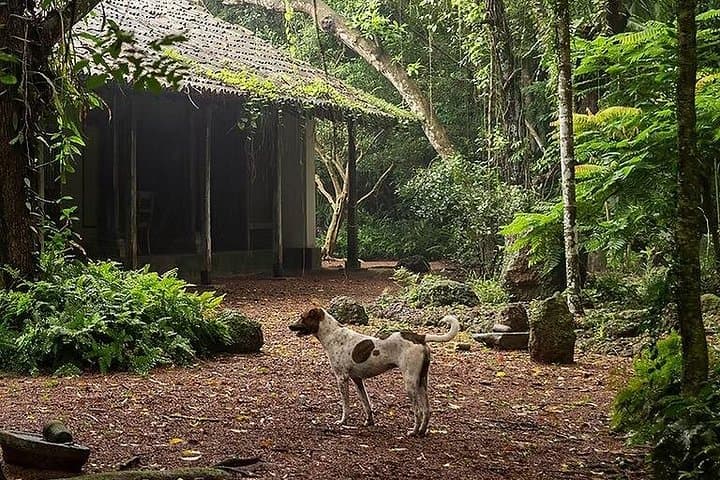
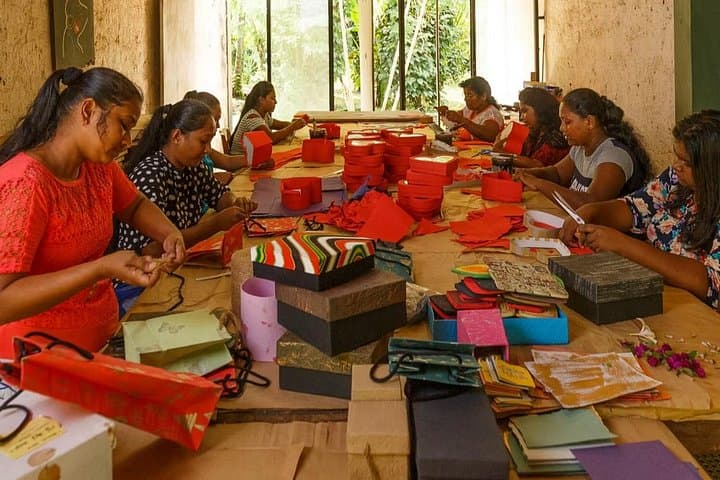
You arrive off a quiet rural lane and the air is green — warm, damp soil, tea steam, and the sharp citrus of banana fibre drying in the sun. Kadadasi’s workshop sits beside a hand-grown forest cultivated over decades; women at wooden tables work recycled paper into sheets while the surrounding trees hum with birds and insects.
You arrive off a quiet rural lane and the air is green — warm, damp soil, tea steam, and the sharp citrus of banana fibre drying in the sun. Kadadasi’s workshop sits beside a hand-grown forest cultivated over decades; women at wooden tables work recycled paper into sheets while the surrounding trees hum with birds and insects.
This visit traces craft, community and conservation. Paper-making in Sri Lanka draws on centuries of craft adaptation; here local materials — banana fiber, recycled paper — become cards, journals and plantable souvenirs. The backyard forest, grown since the 1980s using permaculture principles, demonstrates active reforestation: mixed native and fruit trees planted to stabilize soil and attract wildlife. Culturally, the project is led by rural women, combining cottage industry with ecological stewardship.
Geologically the area is lowland wet-zone plains near Negombo Lagoon, where alluvial soil and a high water table support rapid growth and a dense understory.
Practical guidance: wear sturdy, closed-toe shoes for muddy paths and shifting ground, and long sleeves later in the day for mosquitoes. The workshop is hands-on — you can watch banana fibre processing and try deckle-and-mould forming; expect light walking across uneven trails and stepped seating. Bring cash for small purchases and a reusable bottle; refreshments are included, and a plantable seed card is yours to take.
Timing matters: mornings bring cooler temperatures and more bird activity, while afternoons are better for quieter demonstrations. Respect production areas, photograph with permission, and leave no trace — the project’s value is both cultural and ecological.