THE ADVENTURE COLLECTIVE® · Independent discovery and booking for outdoor travel

Transform into a Kabuki character, watch a sacred Miko dance at Tomioka Hachimangu, and finish with an Edo-style multi-course dinner in Fukagawa. This private, five-hour cultural tour blends backstage access with ritual viewing and seasonal cuisine.
Transform into a Kabuki character, watch a sacred Miko dance at Tomioka Hachimangu, and finish with an Edo-style multi-course dinner in Fukagawa. This private, five-hour cultural tour blends backstage access with ritual viewing and seasonal cuisine.
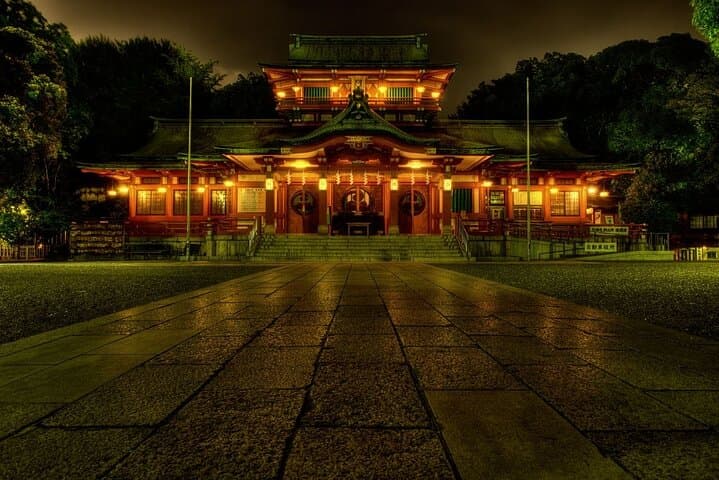
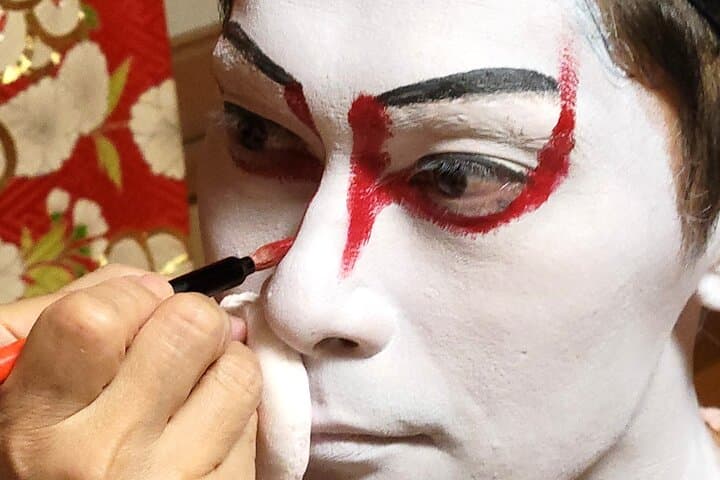
You step off the subway into the humid pulse of Tokyo and, within minutes, the noise softens. Lantern light flickers on weathered wood as a shrine bell tugs at the air; a makeup mirror reflects a painted face, half-finished—this is the start of a Kabuki transformation and an evening threaded through Fukagawa’s living Edo.
Verified experiences and guided adventures in the surrounding area.
Operated by 深川おどり八幡座敷 · Tokyo, Tokyo
You step off the subway into the humid pulse of Tokyo and, within minutes, the noise softens. Lantern light flickers on weathered wood as a shrine bell tugs at the air; a makeup mirror reflects a painted face, half-finished—this is the start of a Kabuki transformation and an evening threaded through Fukagawa’s living Edo.
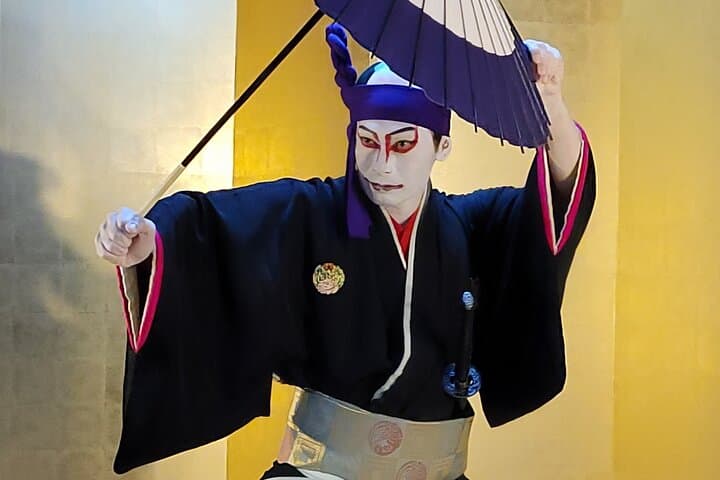
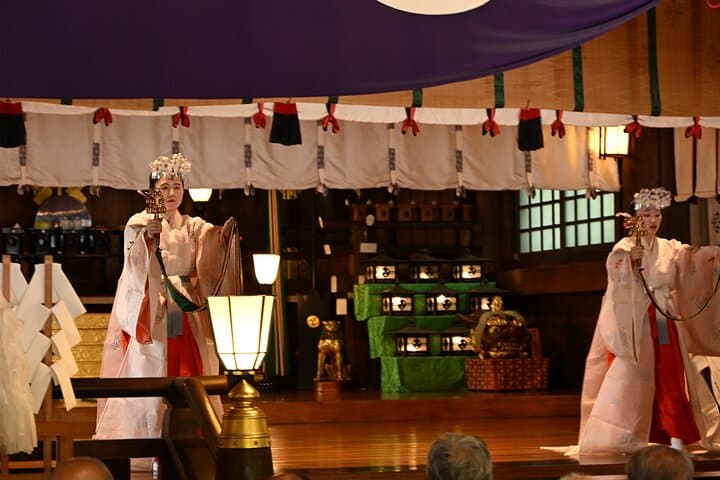
Kabuki began in the early 17th century and grew with Edo’s street culture; Tomioka Hachimangu, founded in the early Edo era, still stages rituals and Kagura dances that connect modern Tokyo to those roots. Fukagawa sits on reclaimed waterways and worked docks, a neighborhood shaped by rivers and merchant life. The sacred Miko dance you’ll witness is Shinto in origin; the backstage makeup and movement instruction reveal how costume, voice, and gesture translate history into motion. The dinner that follows recalls Edo-style cuisine—careful, seasonal plates and umami-forward techniques served in a wedding hall turned living auberge.
Expect a structured, private five-hour program: Kabuki makeup and coaching, an intimate shrine ceremony, a guided walk with a local cultural guide, and a multi-course Edo-inspired dinner with beverages. The pace is gentle but coordinated—plan to stand during demonstrations and move between short indoor and outdoor settings.
Bring a camera, dress in layers for temple breezes and heated interiors, and notify the operator of dietary restrictions in advance. Arrive on time with your mobile ticket ready: the experience is curated, limited-capacity, and designed for close-up viewing and photography of traditional preparation.
easy.
5 hours.
Suitable for all fitness levels; involves light standing and short walks between venues.
Yes—information indicates wheelchair accessibility for the itinerary, but notify the operator of specific needs at booking to confirm site access details.
Photography is part of the makeup and rehearsal segment; follow the guide’s directions and avoid flash during sacred rituals unless told otherwise.
Yes—alcoholic beverages are listed as included with the Edo-style dinner; inform the host if you prefer non-alcoholic options.
This experience is sold as final—check booking terms carefully since the tour notes all sales are final with no refunds for cancellations.
Tomioka Hachimangu dates to the early Edo period and has long hosted rituals tied to local trades and festivals; Kabuki itself emerged in the early 1600s as a popular urban theater form in Edo.
Visit sites respectfully—shrine precincts are actively maintained and patrons are asked to follow rules, avoid littering, and minimize disturbance during rituals.
深川おどり八幡座敷 operates guided outdoor trips and adventures with an emphasis on safety, stewardship, and memorable experiences.
You step off the subway into the humid pulse of Tokyo and, within minutes, the noise softens. Lantern light flickers on weathered wood as a shrine bell tugs at the air; a makeup mirror reflects a painted face, half-finished—this is the start of a Kabuki transformation and an evening threaded through Fukagawa’s living Edo.
You step off the subway into the humid pulse of Tokyo and, within minutes, the noise softens. Lantern light flickers on weathered wood as a shrine bell tugs at the air; a makeup mirror reflects a painted face, half-finished—this is the start of a Kabuki transformation and an evening threaded through Fukagawa’s living Edo.
Kabuki began in the early 17th century and grew with Edo’s street culture; Tomioka Hachimangu, founded in the early Edo era, still stages rituals and Kagura dances that connect modern Tokyo to those roots. Fukagawa sits on reclaimed waterways and worked docks, a neighborhood shaped by rivers and merchant life. The sacred Miko dance you’ll witness is Shinto in origin; the backstage makeup and movement instruction reveal how costume, voice, and gesture translate history into motion. The dinner that follows recalls Edo-style cuisine—careful, seasonal plates and umami-forward techniques served in a wedding hall turned living auberge.
Expect a structured, private five-hour program: Kabuki makeup and coaching, an intimate shrine ceremony, a guided walk with a local cultural guide, and a multi-course Edo-inspired dinner with beverages. The pace is gentle but coordinated—plan to stand during demonstrations and move between short indoor and outdoor settings.
Bring a camera, dress in layers for temple breezes and heated interiors, and notify the operator of dietary restrictions in advance. Arrive on time with your mobile ticket ready: the experience is curated, limited-capacity, and designed for close-up viewing and photography of traditional preparation.