THE ADVENTURE COLLECTIVE® · Independent discovery and booking for outdoor travel

Swim turquoise shallows, peer into an 80‑meter blue hole and visit three distinct cenotes on a full‑day tour from Cancun or Playa del Carmen. Practical tips on timing, gear and local etiquette help you get the most from this Mayan‑era landscape.
Swim turquoise shallows, peer into an 80‑meter blue hole and visit three distinct cenotes on a full‑day tour from Cancun or Playa del Carmen. Practical tips on timing, gear and local etiquette help you get the most from this Mayan‑era landscape.
You arrive to a pocket of water that changes color with every step: green-turquoise shallows outline a mirror-smooth lagoon and, dead center, a round blue hole drops abruptly into deep, older groundwater. The air smells of wet limestone and tropical leaf litter; the lagoon’s quiet is punctuated by small fish and the soft slap of swimmers entering warm water.
Verified experiences and guided adventures in the surrounding area.
Operated by Cancun Tour Outlet · Tulum, Quintana Roo
You arrive to a pocket of water that changes color with every step: green-turquoise shallows outline a mirror-smooth lagoon and, dead center, a round blue hole drops abruptly into deep, older groundwater. The air smells of wet limestone and tropical leaf litter; the lagoon’s quiet is punctuated by small fish and the soft slap of swimmers entering warm water.
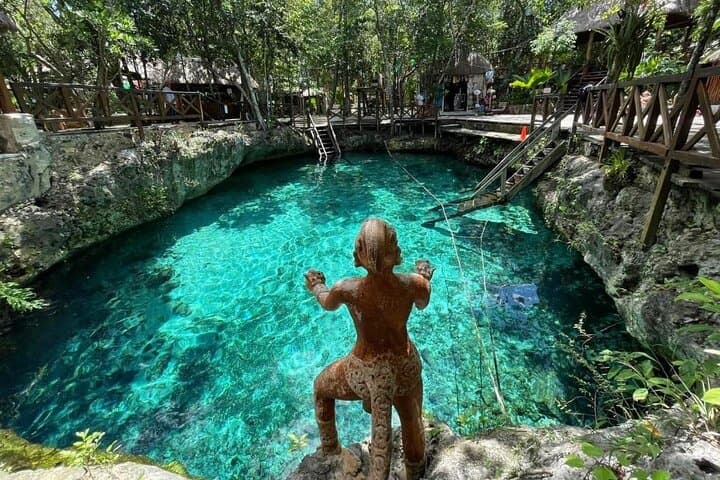
These cenotes are the visible mouths of an underground karst system carved through Yucatán limestone over millennia. Locals and the Maya treated sinkholes as entrances to the underworld and sources of fresh water; many sites still carry ceremonial meaning. Geologically, expect a mix of open cenotes, semi-open pools and one deeper pit at Kaan Luum where freshwater overlies a darker, nearly vertical cenote.
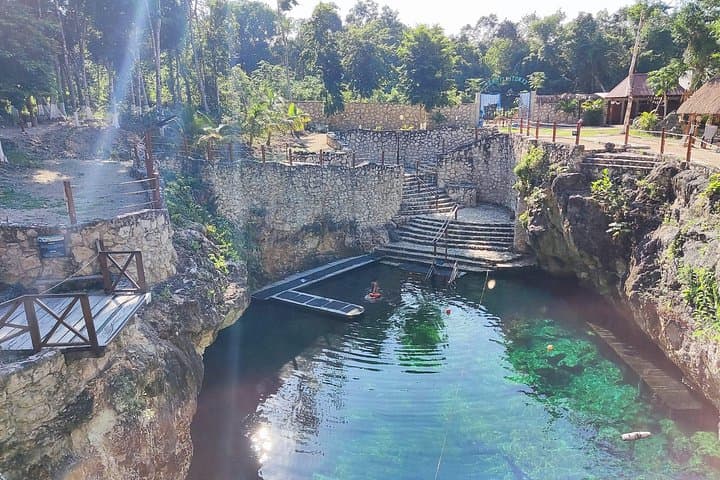
Culturally the day links modern guides, regional food, and a brief stop at the Tulum blue letters for photos — a predictable but useful landmark. Small wooden stairs, dirt paths and shaded platforms connect swimming spots; the terrain is flat but can be slippery when wet.
Practical guidance: this is a full day (about 12 hours including round-trip transport from Cancun/Playa del Carmen, roughly 1–2 hours each way). Bring a biodegradable reef-safe sunscreen, a towel and quick-dry clothing, plus cash for souvenirs and a light regional lunch included on the tour. Wear water shoes or sandals with grip and be prepared to enter water that ranges from ankle-deep to very deep; life jackets or flotation aids are typically available. Go early in the day to avoid peak crowds and mid-afternoon rains in the wet season.
Respect posted rules, avoid lotions that can cloud water, and leave no trace — these cenotes remain fragile windows into Yucatán’s aquifer system.
moderate.
12 hours (including transport).
Suitable for people comfortable with multiple short swims, boardwalk steps and standing for transfers; basic swimming ability recommended.
The excursion is about 12 hours round‑trip with transportation from Cancun or Playa del Carmen; it includes entrance fees to the lagoon and three cenotes plus a regional meal.
Basic swimming ability is recommended—some cenotes are deep; flotation devices are usually available for less confident swimmers.
Most sites offer basic changing areas and small lockers or supervised storage; bring a dry bag for valuables just in case.
Many tours carry basic snorkel masks, but you can bring your own for better fit and hygiene—confirm with the operator before departure.
Cenotes were vital to the Maya for water and ritual; many local cenotes are tied to ceremonial traditions and ancient settlement patterns.
Cenotes are part of a sensitive karst aquifer—use biodegradable products, avoid touching rock formations and follow local waste rules to reduce impact.
Cancun Tour Outlet operates guided outdoor trips and adventures with an emphasis on safety, stewardship, and memorable experiences.
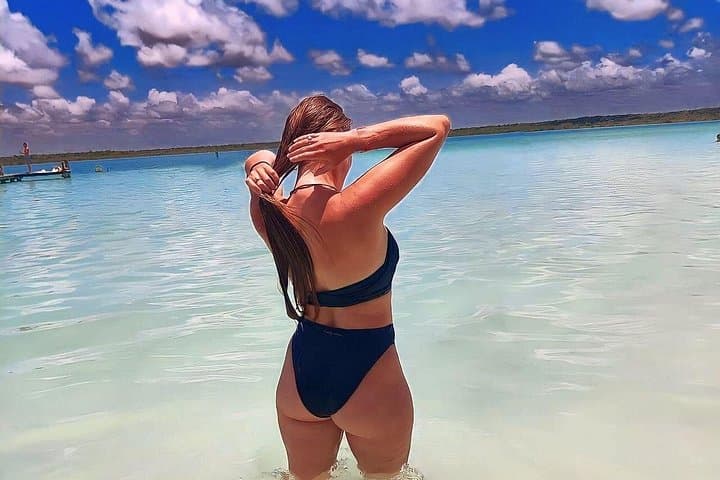
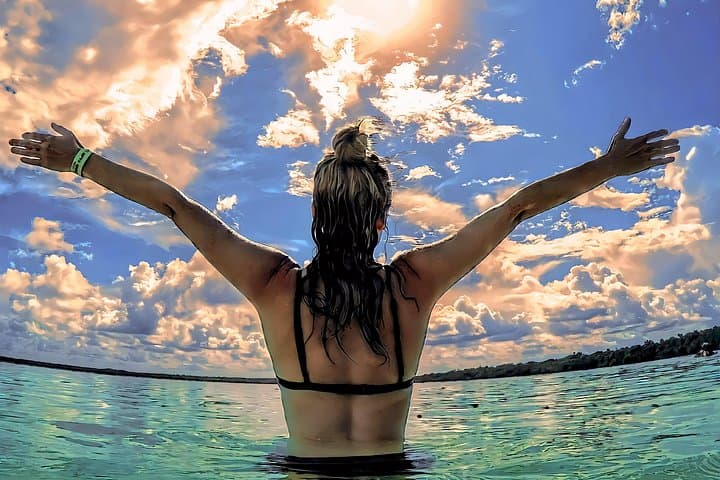
You arrive to a pocket of water that changes color with every step: green-turquoise shallows outline a mirror-smooth lagoon and, dead center, a round blue hole drops abruptly into deep, older groundwater. The air smells of wet limestone and tropical leaf litter; the lagoon’s quiet is punctuated by small fish and the soft slap of swimmers entering warm water.
You arrive to a pocket of water that changes color with every step: green-turquoise shallows outline a mirror-smooth lagoon and, dead center, a round blue hole drops abruptly into deep, older groundwater. The air smells of wet limestone and tropical leaf litter; the lagoon’s quiet is punctuated by small fish and the soft slap of swimmers entering warm water.
These cenotes are the visible mouths of an underground karst system carved through Yucatán limestone over millennia. Locals and the Maya treated sinkholes as entrances to the underworld and sources of fresh water; many sites still carry ceremonial meaning. Geologically, expect a mix of open cenotes, semi-open pools and one deeper pit at Kaan Luum where freshwater overlies a darker, nearly vertical cenote.
Culturally the day links modern guides, regional food, and a brief stop at the Tulum blue letters for photos — a predictable but useful landmark. Small wooden stairs, dirt paths and shaded platforms connect swimming spots; the terrain is flat but can be slippery when wet.
Practical guidance: this is a full day (about 12 hours including round-trip transport from Cancun/Playa del Carmen, roughly 1–2 hours each way). Bring a biodegradable reef-safe sunscreen, a towel and quick-dry clothing, plus cash for souvenirs and a light regional lunch included on the tour. Wear water shoes or sandals with grip and be prepared to enter water that ranges from ankle-deep to very deep; life jackets or flotation aids are typically available. Go early in the day to avoid peak crowds and mid-afternoon rains in the wet season.
Respect posted rules, avoid lotions that can cloud water, and leave no trace — these cenotes remain fragile windows into Yucatán’s aquifer system.