THE ADVENTURE COLLECTIVE® · Independent discovery and booking for outdoor travel

Spend a day exploring Kaan Luum’s luminous lagoon and two nearby cenotes—swimming, cliff-jumping, and photographing Tulum’s coastline. This full-day excursion mixes geology, local flavors, and safe-but-active time in freshwater sinkholes.
Spend a day exploring Kaan Luum’s luminous lagoon and two nearby cenotes—swimming, cliff-jumping, and photographing Tulum’s coastline. This full-day excursion mixes geology, local flavors, and safe-but-active time in freshwater sinkholes.
The van eases off the main highway and the air changes—salt and tropical foliage mixing as the road narrows toward Kaan Luum. Arrive to a shallow turquoise bowl framed by scrub and palm; the water seems to hold light, and a darker circular cenote sits like a dropped coin in the middle, daring you to dive.
Verified experiences and guided adventures in the surrounding area.
Operated by Mexico Top Vacations · Tulum, Quintana Roo
The van eases off the main highway and the air changes—salt and tropical foliage mixing as the road narrows toward Kaan Luum. Arrive to a shallow turquoise bowl framed by scrub and palm; the water seems to hold light, and a darker circular cenote sits like a dropped coin in the middle, daring you to dive.
This stretch of Quintana Roo sits on porous limestone carved by groundwater for millennia; cenotes are where the water table meets the surface, and for the Maya they were portals and freshwater lifelines. Kaan Luum’s clear shallow rim contrasts with the deep, cooler cenote at its heart; nearby Zacil-Ha and Kuxtal show different faces of karst geology—swim holes, cliffs for jumping, and natural caverns framed by roots.
Culturally, the Tulum corridor blends beach tourism with small inland communities—expect local food served cafeteria-style, vendors selling woven goods, and signage in both Spanish and English.
Practically: this is a full-day outing with moderate transfers between stops. Bring biodegradable sunscreen and a shirt for sun protection between swims; water shoes help on uneven limestone and in cenote entry zones. Swim in designated areas only; lifeguards are not always present. Photograph the Tulum letters en route for a classic coastal frame, but save your biggest camera for the lagoon’s color gradients and the cenotes’ vertical shafts.
Plan for long daylight hours on the water—hydrate, pace cliff jumps if you try them, and respect local rules that protect these fragile karst systems.
easy.
13–15 hours.
Light to moderate fitness—short walks, swimming, and some stair/cliff access; suitable for most travelers without major mobility issues.
Yes—swimming is permitted in designated areas at Kaan Luum, Zacil-Ha, and Kuxtal; follow staff guidance and avoid areas marked off for conservation.
The tour is generally family-friendly, but not recommended for pregnant travelers or those with serious heart or spinal conditions; infants must sit on laps during transport.
Round-trip transport is included from specified hotels or meeting points in the Tulum area; confirm your pickup point when booking.
A regional buffet lunch is included—bring snacks if you have dietary restrictions and carry cash if you want extra drinks or souvenirs.
Cenotes were vital freshwater sources for the Maya and held ceremonial importance; many nearby sites show ancient travel routes between coastal and inland communities.
These karst systems are sensitive—use biodegradable products, avoid stepping on roots or fragile ledges, and follow entrance rules to limit pollution and erosion.
Mexico Top Vacations operates guided outdoor trips and adventures with an emphasis on safety, stewardship, and memorable experiences.
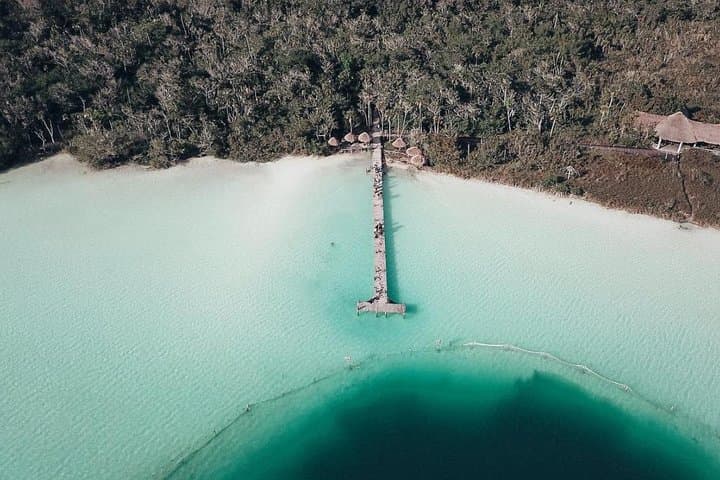
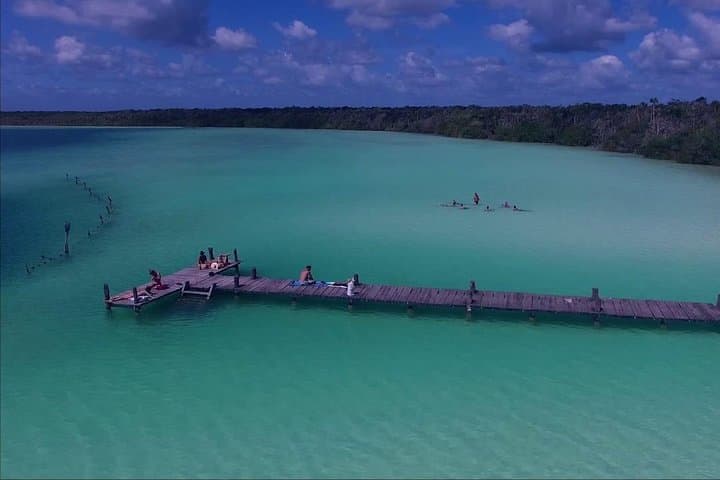
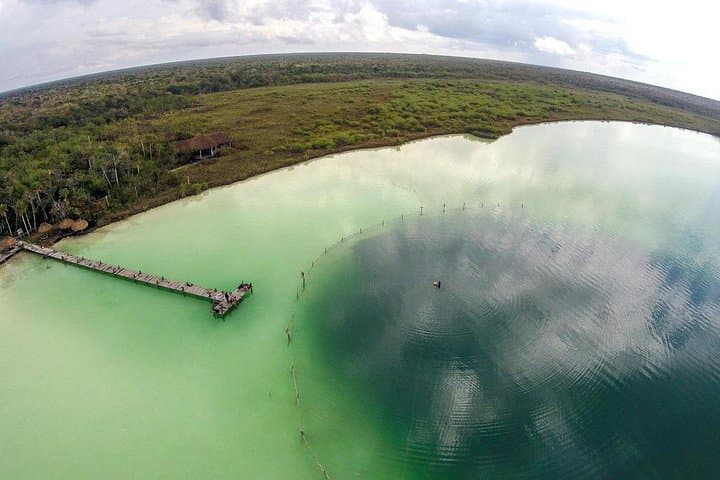
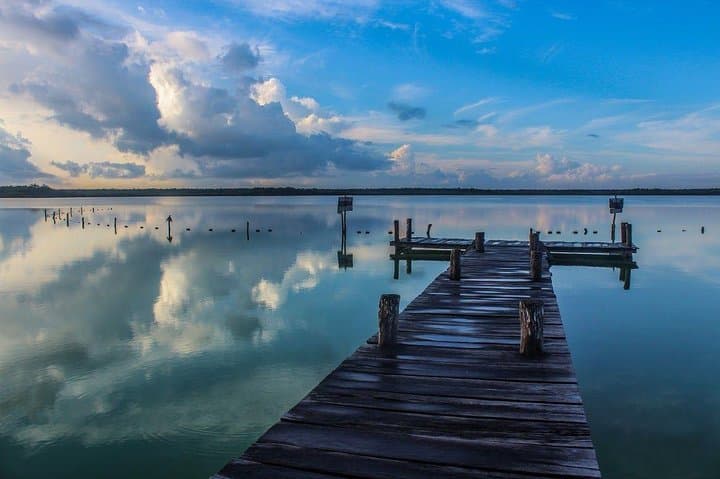
The van eases off the main highway and the air changes—salt and tropical foliage mixing as the road narrows toward Kaan Luum. Arrive to a shallow turquoise bowl framed by scrub and palm; the water seems to hold light, and a darker circular cenote sits like a dropped coin in the middle, daring you to dive.
The van eases off the main highway and the air changes—salt and tropical foliage mixing as the road narrows toward Kaan Luum. Arrive to a shallow turquoise bowl framed by scrub and palm; the water seems to hold light, and a darker circular cenote sits like a dropped coin in the middle, daring you to dive.
This stretch of Quintana Roo sits on porous limestone carved by groundwater for millennia; cenotes are where the water table meets the surface, and for the Maya they were portals and freshwater lifelines. Kaan Luum’s clear shallow rim contrasts with the deep, cooler cenote at its heart; nearby Zacil-Ha and Kuxtal show different faces of karst geology—swim holes, cliffs for jumping, and natural caverns framed by roots.
Culturally, the Tulum corridor blends beach tourism with small inland communities—expect local food served cafeteria-style, vendors selling woven goods, and signage in both Spanish and English.
Practically: this is a full-day outing with moderate transfers between stops. Bring biodegradable sunscreen and a shirt for sun protection between swims; water shoes help on uneven limestone and in cenote entry zones. Swim in designated areas only; lifeguards are not always present. Photograph the Tulum letters en route for a classic coastal frame, but save your biggest camera for the lagoon’s color gradients and the cenotes’ vertical shafts.
Plan for long daylight hours on the water—hydrate, pace cliff jumps if you try them, and respect local rules that protect these fragile karst systems.