THE ADVENTURE COLLECTIVE® · Independent discovery and booking for outdoor travel

A tough, high-altitude trek along the Baltoro Glacier to Concordia and K2 Base Camp. Expect long glacier walks, high passes, remote camping, and some of the planet’s most dramatic mountain scenery.
A tough, high-altitude trek along the Baltoro Glacier to Concordia and K2 Base Camp. Expect long glacier walks, high passes, remote camping, and some of the planet’s most dramatic mountain scenery.
The morning air at Askole bites with a clean, metallic edge as porters load jeeps and the trail narrows into moraine and boulder. You step onto a path that climbs the Baltoro Glacier’s shoulder, the ice ahead like a slow, gray river that refuses to yield. Peaks rise like folded knives; K2 watches from the west, a colossal presence that redraws the sky.
Verified experiences and guided adventures in the surrounding area.
Operated by Wonderland Treks and Tours · Skardu, Gilgit-Baltistan
The morning air at Askole bites with a clean, metallic edge as porters load jeeps and the trail narrows into moraine and boulder. You step onto a path that climbs the Baltoro Glacier’s shoulder, the ice ahead like a slow, gray river that refuses to yield. Peaks rise like folded knives; K2 watches from the west, a colossal presence that redraws the sky.
This route follows ancient trade corridors and shepherd tracks now repurposed for high-altitude trekking. Geology here is dramatic: the Karakoram stitches together metamorphic gneiss, granite spires and glacial till, and the Baltoro is the artery that feeds the great amphitheater of eight-thousanders. Local Balti culture — a blend of Tibetan and Central Asian influences — offers simple, hospitable camps and stories of legendary climbs.
Expect long days of walking over rocky trails, glacier flats and occasional snowfields. You’ll camp most nights in tents between 3,000–4,800 m, with the highest passes — notably Gondogoro La at ~5,585 m — demanding careful navigation. Weather can change quickly: wind scour and sudden snowfall are possible even in summer, and altitude is the real challenge.
Practical notes: build a firm aerobic base, plan for gradual acclimatization, and pack layered insulation for cold nights. Hydrate continuously and carry sun protection — the high-altitude sun is unrelenting. Hire experienced local guides, respect Karakoram National Park rules, and prepare to move at the glacier’s slow, steady pace; the landscape rewards patience with panoramas few places on Earth can match.
difficult.
15–16 days.
Require excellent cardiovascular fitness, experience with multi-day high-altitude treks, and the ability to carry a heavy pack for sustained periods.
No technical climbing is needed to reach K2 Base Camp on the Baltoro route, but experience with glacier travel and high-altitude trekking is strongly recommended.
The itinerary reaches Gondogoro La at about 5,585 m and camps around Concordia/Concordia area at ~4,550 m; expect acclimatization to be crucial.
Summer months (June–August) are the preferred window for stable weather and pass crossings, though conditions remain unpredictable.
Yes—trekkers must obtain permits for Karakoram National Park and coordinate with local authorities; organized operators typically handle paperwork.
The Baltoro route has long been a conduit for local trade and, since the early 20th century, a gateway for mountaineers attempting the Karakoram’s highest peaks.
The Karakoram’s fragile high-altitude ecosystems are sensitive to waste and human impact; follow pack-out rules, use established campsites, and support local conservation efforts.
Wonderland Treks and Tours operates guided outdoor trips and adventures with an emphasis on safety, stewardship, and memorable experiences.
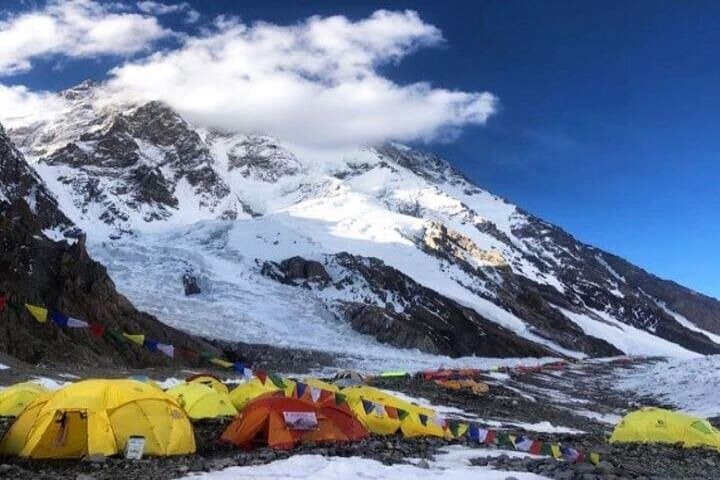
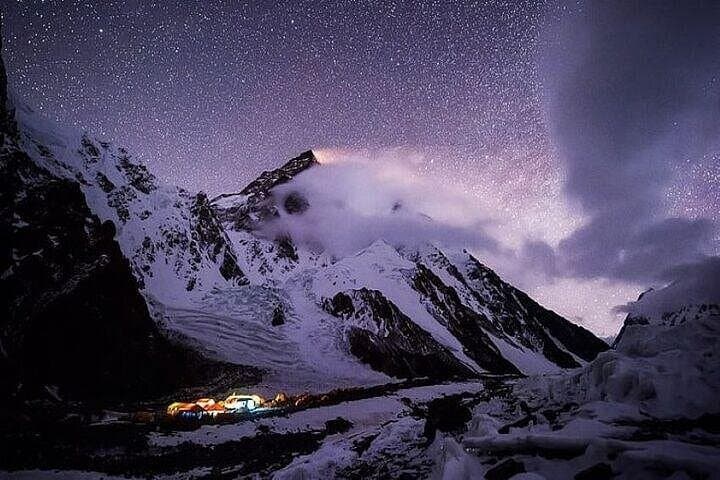
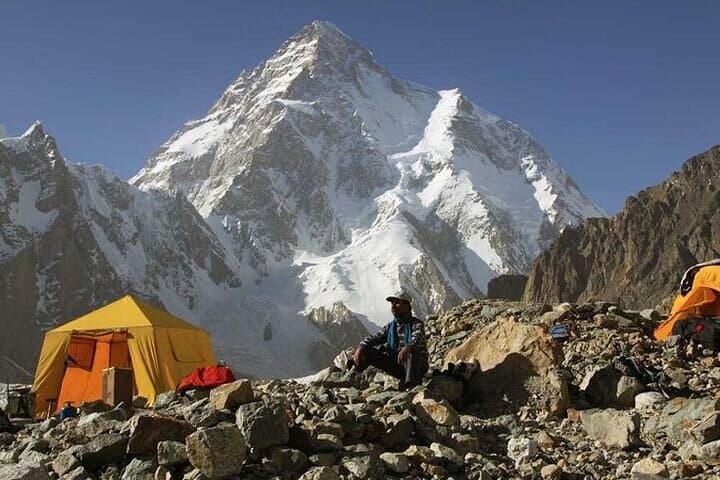
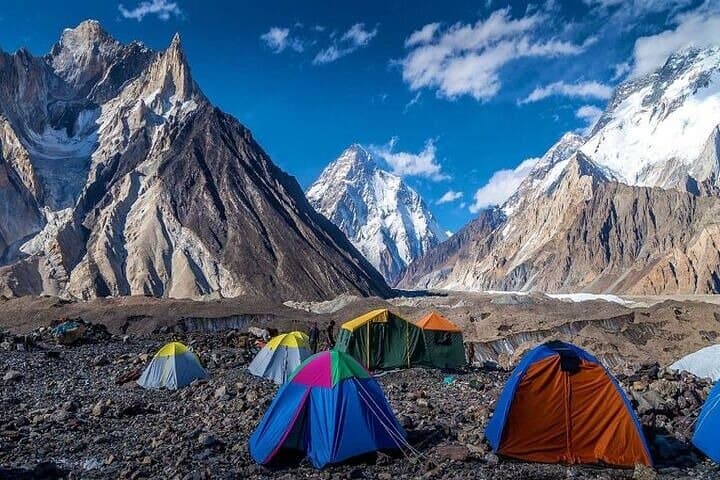
The morning air at Askole bites with a clean, metallic edge as porters load jeeps and the trail narrows into moraine and boulder. You step onto a path that climbs the Baltoro Glacier’s shoulder, the ice ahead like a slow, gray river that refuses to yield. Peaks rise like folded knives; K2 watches from the west, a colossal presence that redraws the sky.
The morning air at Askole bites with a clean, metallic edge as porters load jeeps and the trail narrows into moraine and boulder. You step onto a path that climbs the Baltoro Glacier’s shoulder, the ice ahead like a slow, gray river that refuses to yield. Peaks rise like folded knives; K2 watches from the west, a colossal presence that redraws the sky.
This route follows ancient trade corridors and shepherd tracks now repurposed for high-altitude trekking. Geology here is dramatic: the Karakoram stitches together metamorphic gneiss, granite spires and glacial till, and the Baltoro is the artery that feeds the great amphitheater of eight-thousanders. Local Balti culture — a blend of Tibetan and Central Asian influences — offers simple, hospitable camps and stories of legendary climbs.
Expect long days of walking over rocky trails, glacier flats and occasional snowfields. You’ll camp most nights in tents between 3,000–4,800 m, with the highest passes — notably Gondogoro La at ~5,585 m — demanding careful navigation. Weather can change quickly: wind scour and sudden snowfall are possible even in summer, and altitude is the real challenge.
Practical notes: build a firm aerobic base, plan for gradual acclimatization, and pack layered insulation for cold nights. Hydrate continuously and carry sun protection — the high-altitude sun is unrelenting. Hire experienced local guides, respect Karakoram National Park rules, and prepare to move at the glacier’s slow, steady pace; the landscape rewards patience with panoramas few places on Earth can match.