THE ADVENTURE COLLECTIVE® · Independent discovery and booking for outdoor travel

Explore Juso’s retro shopping streets and lively izakaya alleys on a 3–5 hour walking tour that pairs Wagyu sushi, okonomiyaki and craft drinks with local bar etiquette and vintage curios. Perfect for food lovers who want an evening deep dive into Osaka’s authentic neighborhood nightlife.
Explore Juso’s retro shopping streets and lively izakaya alleys on a 3–5 hour walking tour that pairs Wagyu sushi, okonomiyaki and craft drinks with local bar etiquette and vintage curios. Perfect for food lovers who want an evening deep dive into Osaka’s authentic neighborhood nightlife.
Rain-slicked neon reflects off narrow alleys as the tour begins outside Juso Station — a compact neighborhood where old snack shops, thrift stores and izakaya alleys crowd the sidewalks. You step into pockets of Osaka history between sips of local beer and bites of Wagyu sushi, the city’s pulse audible in shouted orders and the clink of skewers on the grill.
Verified experiences and guided adventures in the surrounding area.
Operated by Yokai Wanderers · Osaka, Osaka Prefecture
Rain-slicked neon reflects off narrow alleys as the tour begins outside Juso Station — a compact neighborhood where old snack shops, thrift stores and izakaya alleys crowd the sidewalks. You step into pockets of Osaka history between sips of local beer and bites of Wagyu sushi, the city’s pulse audible in shouted orders and the clink of skewers on the grill.
Juso sits on the Yodogawa floodplain, shaped by the river’s slow push toward Osaka Bay; its streets retain a postwar, working-class character that spawned the Hondori shopping arcade and the tiny bars that spilled out into evenings. The area’s culture is unapologetically local: retro storefront signs, cheap yakitori counters, and a bar etiquette that rewards small talk and shared plates.
Expect a mix of tastes—seafood prepared Osaka-style, okonomiyaki’s salty-sweet comfort, and unexpected treats like Wagyu nigiri—plus stops at vintage shops that feel frozen in the Showa era. Guides introduce you to local customs and teach how to order, toast and tip in Japanese bars.
Practical side: tours typically run 3–5 hours in the evening; bring cash for smaller venues, wear comfortable shoes for standing and short strolls, and pace alcohol intake if you plan to explore afterward. Photography is welcome but be discreet in intimate izakaya spaces. For a first-time visitor, this walk is a concentrated crash course in Osaka’s nightlife—equal parts flavor education and neighborhood scouting mission.
easy.
3–5 hours.
Suitable for most fitness levels—expect moderate standing and short walks between stops
The experience runs roughly 3–5 hours, typically during evening hours to coincide with bar activity.
The first drink is included; additional alcoholic beverages are paid by participants at venues.
This tour is not recommended for pregnant travelers; children may be allowed but consider the late hours and alcohol-focused stops.
No, but knowing basic phrases and bar etiquette enhances the experience; guides provide translation and cultural context.
Juso evolved as a working-class entertainment district on the Yodogawa floodplain; many of its narrow shopping streets and izakaya date to the postwar Showa era.
Support small, local businesses by minimizing single-use plastics and taking leftover wrappers with you; respect small venues by keeping noise and group sizes reasonable.
Yokai Wanderers operates guided outdoor trips and adventures with an emphasis on safety, stewardship, and memorable experiences.
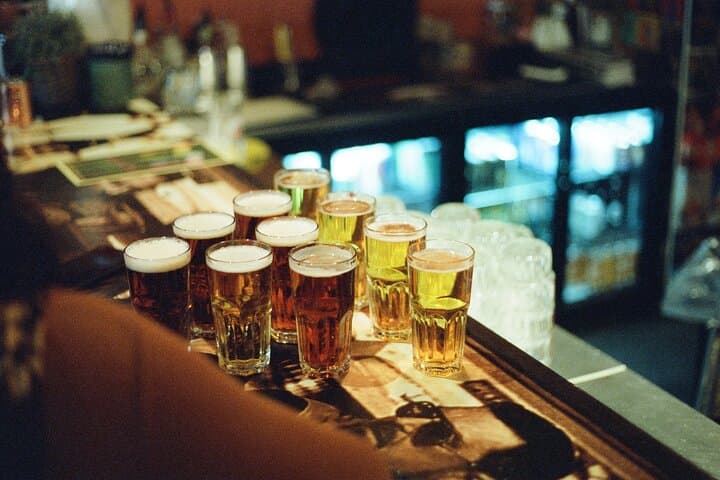
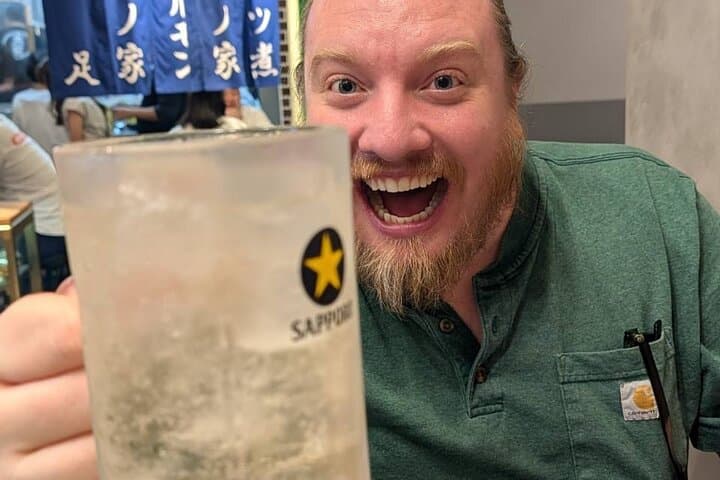
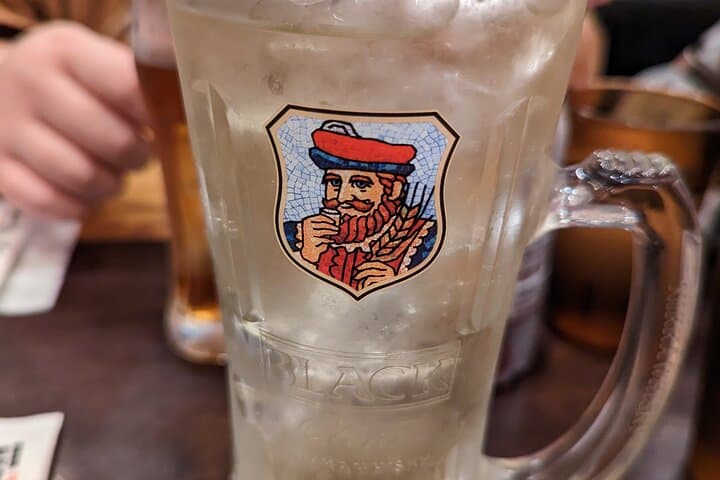
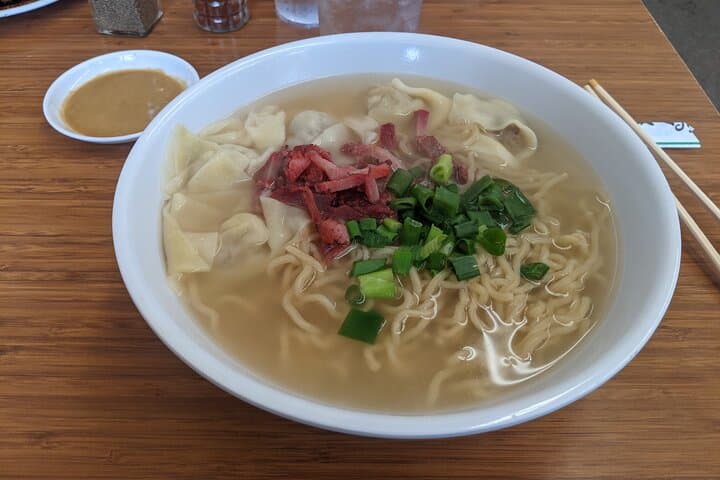
Rain-slicked neon reflects off narrow alleys as the tour begins outside Juso Station — a compact neighborhood where old snack shops, thrift stores and izakaya alleys crowd the sidewalks. You step into pockets of Osaka history between sips of local beer and bites of Wagyu sushi, the city’s pulse audible in shouted orders and the clink of skewers on the grill.
Rain-slicked neon reflects off narrow alleys as the tour begins outside Juso Station — a compact neighborhood where old snack shops, thrift stores and izakaya alleys crowd the sidewalks. You step into pockets of Osaka history between sips of local beer and bites of Wagyu sushi, the city’s pulse audible in shouted orders and the clink of skewers on the grill.
Juso sits on the Yodogawa floodplain, shaped by the river’s slow push toward Osaka Bay; its streets retain a postwar, working-class character that spawned the Hondori shopping arcade and the tiny bars that spilled out into evenings. The area’s culture is unapologetically local: retro storefront signs, cheap yakitori counters, and a bar etiquette that rewards small talk and shared plates.
Expect a mix of tastes—seafood prepared Osaka-style, okonomiyaki’s salty-sweet comfort, and unexpected treats like Wagyu nigiri—plus stops at vintage shops that feel frozen in the Showa era. Guides introduce you to local customs and teach how to order, toast and tip in Japanese bars.
Practical side: tours typically run 3–5 hours in the evening; bring cash for smaller venues, wear comfortable shoes for standing and short strolls, and pace alcohol intake if you plan to explore afterward. Photography is welcome but be discreet in intimate izakaya spaces. For a first-time visitor, this walk is a concentrated crash course in Osaka’s nightlife—equal parts flavor education and neighborhood scouting mission.