THE ADVENTURE COLLECTIVE® · Independent discovery and booking for outdoor travel

Escape Riga for a few restorative hours on Jurmala’s long white‑sand shore. This three‑hour beach daytrip mixes flat, easy terrain and spa‑town culture with pine‑fringed dunes and Gulf of Riga views.
Escape Riga for a few restorative hours on Jurmala’s long white‑sand shore. This three‑hour beach daytrip mixes flat, easy terrain and spa‑town culture with pine‑fringed dunes and Gulf of Riga views.
A strip of pale sand unfolds beneath a cool Baltic sky as the ferry of city noise pulls away—this is Jurmala, where the wind sculpts dunes and the pines push their scent toward the sea.
Verified experiences and guided adventures in the surrounding area.
Operated by Riga Stag Weekend · Jurmala, Riga Municipality
A strip of pale sand unfolds beneath a cool Baltic sky as the ferry of city noise pulls away—this is Jurmala, where the wind sculpts dunes and the pines push their scent toward the sea.
Visitors who spend three hours on a Jurmala Beach Daytrip find a place that reads like a coastal interlude: a long, flat shoreline of very fine white sand, low dunes backed by pine forest, and a wooden promenade that threads through small resort neighborhoods. Geologically, the beach is a post‑glacial barrier along the Gulf of Riga, its sands transported and shaped by longshore currents; you’ll notice the slow, constant movement in the shape of the shore.
Jurmala’s character grew in the 19th century as a spa and summer resort—historic wooden villas, modest bathing pavilions and a culture of simple seaside recreation remain. Local life still orients around the sand and the forest trails; nearby Ķemeri National Park preserves bogs and springs that contrast with the open beach.
Practical expectations: terrain is flat and easy, no climbing or technical skills required, and the itinerary commonly includes roughly 3 hours at the beach plus return transfers to Riga (about 25–40 minutes by train or car). Temperatures and winds can change quickly—bring a windproof layer—and expect basic facilities in the main resort nodes but fewer services along quieter stretches. Swim with caution: Baltic currents are chilly and can be strong at times.
For travelers, Jurmala is straightforward: an accessible coastal reset from Riga that pairs simple beach time with a quick dose of Latvian seaside culture.
easy.
3 hours.
Suitable for all fitness levels; mostly flat walking on sand and promenade.
By car or taxi it's about 25–35 minutes depending on traffic; the suburban train from Riga’s central station typically takes 25–40 minutes to central Jurmala stops.
Lifeguards are present on main resort beaches in the summer high season; quieter stretches may be unguarded—swim with caution.
Yes—many areas are family friendly with shallow shorelines, but watch for wind and cold water; keep to lifeguarded zones when swimming.
Yes—Ķemeri is adjacent and reachable by short drive or local transit; boardwalk trails and the bog spring are popular additions if you have extra time.
Jurmala developed in the 19th century as a Baltic spa town; its wooden villas and modest bathing pavilions reflect the resort culture that drew visitors from Riga and beyond.
Dune systems and nearby Ķemeri National Park are protected—stay on designated paths and avoid trampling vegetation to prevent erosion and habitat loss.
Riga Stag Weekend operates guided outdoor trips and adventures with an emphasis on safety, stewardship, and memorable experiences.
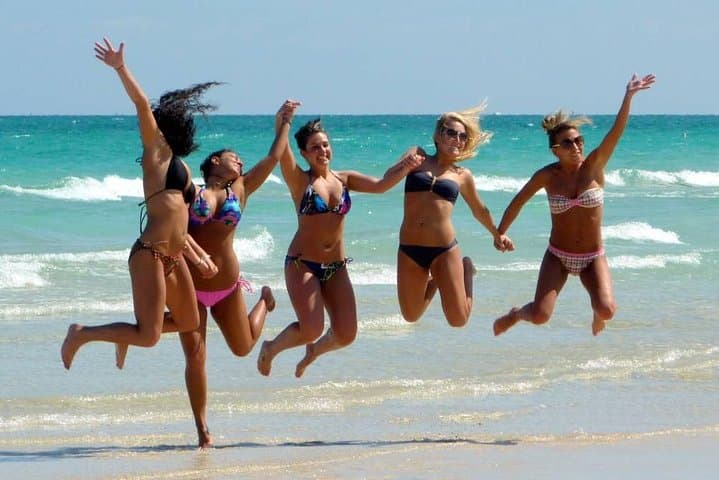
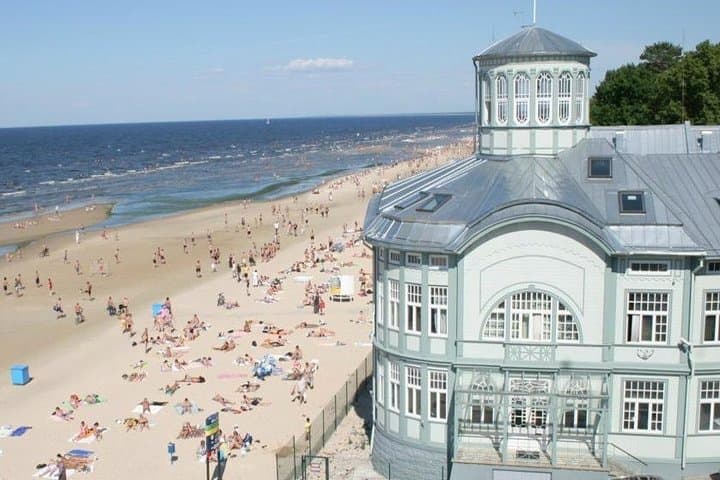
A strip of pale sand unfolds beneath a cool Baltic sky as the ferry of city noise pulls away—this is Jurmala, where the wind sculpts dunes and the pines push their scent toward the sea.
A strip of pale sand unfolds beneath a cool Baltic sky as the ferry of city noise pulls away—this is Jurmala, where the wind sculpts dunes and the pines push their scent toward the sea.
Visitors who spend three hours on a Jurmala Beach Daytrip find a place that reads like a coastal interlude: a long, flat shoreline of very fine white sand, low dunes backed by pine forest, and a wooden promenade that threads through small resort neighborhoods. Geologically, the beach is a post‑glacial barrier along the Gulf of Riga, its sands transported and shaped by longshore currents; you’ll notice the slow, constant movement in the shape of the shore.
Jurmala’s character grew in the 19th century as a spa and summer resort—historic wooden villas, modest bathing pavilions and a culture of simple seaside recreation remain. Local life still orients around the sand and the forest trails; nearby Ķemeri National Park preserves bogs and springs that contrast with the open beach.
Practical expectations: terrain is flat and easy, no climbing or technical skills required, and the itinerary commonly includes roughly 3 hours at the beach plus return transfers to Riga (about 25–40 minutes by train or car). Temperatures and winds can change quickly—bring a windproof layer—and expect basic facilities in the main resort nodes but fewer services along quieter stretches. Swim with caution: Baltic currents are chilly and can be strong at times.
For travelers, Jurmala is straightforward: an accessible coastal reset from Riga that pairs simple beach time with a quick dose of Latvian seaside culture.