THE ADVENTURE COLLECTIVE® · Independent discovery and booking for outdoor travel

Spend a day moving from dense jungle trails to the open lines of UNESCO-listed Jatiluwih rice terraces. This six-hour trek mixes rainforest, small waterfalls and traditional Balinese farming culture—ideal for fit hikers who want nature and local context in one loop.
Spend a day moving from dense jungle trails to the open lines of UNESCO-listed Jatiluwih rice terraces. This six-hour trek mixes rainforest, small waterfalls and traditional Balinese farming culture—ideal for fit hikers who want nature and local context in one loop.
A humid breath of jungle meets the open, sculpted lines of rice terraces within an hour from Bali’s main tourist centers.
Verified experiences and guided adventures in the surrounding area.
Operated by Bali Booking Center · Tabanan, Bali
A humid breath of jungle meets the open, sculpted lines of rice terraces within an hour from Bali’s main tourist centers.
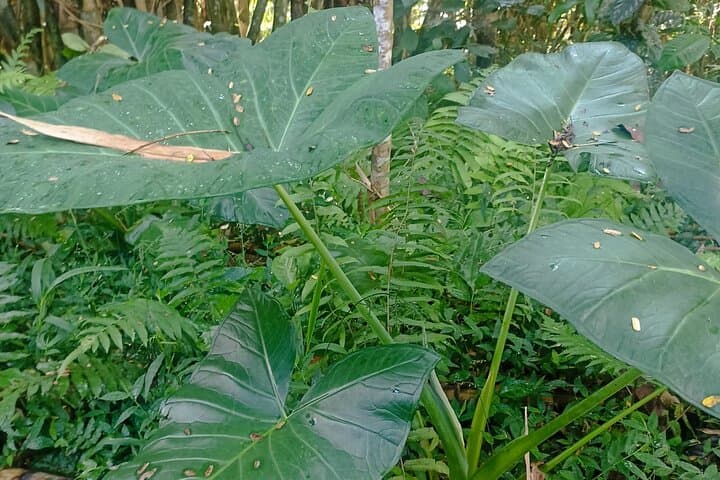
You begin under a green ceiling of rainforest—roots, ferns and vines threading through volcanic soil—then push out onto the broad ribbons of the Jatiluwih rice fields, a living irrigation system shaped by centuries of Balinese farming practice. The subak landscape here is a UNESCO-listed cultural landscape; stone channels and layered paddies show how community, water and terrain work together to sustain rice cultivation.
Geology is visible underfoot: old lava flows slope toward the valleys, creating rich soils that support dense biodiversity. Culturally, the trek moves through small farming settlements where you’ll see traditional irrigation gates and possibly workers in conical hats tending terraces.
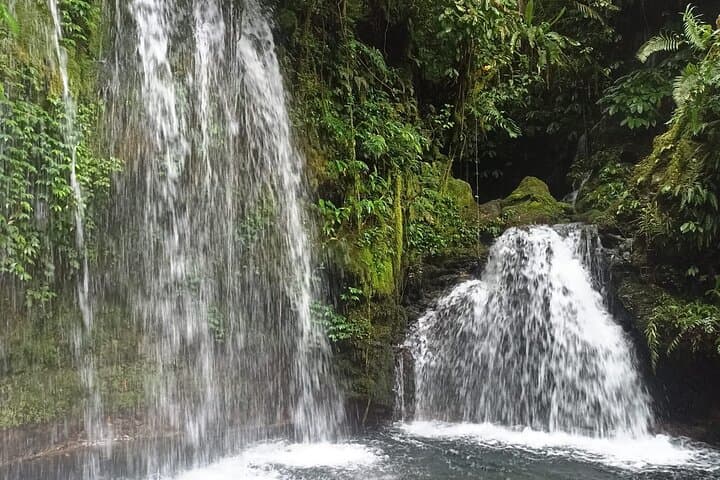
Expect a mix of terrain—rooted jungle trails, slippery river crossings, and compacted farm paths—over roughly 6–10 km with several short, steep sections and an estimated 300–500 m of cumulative ascent depending on route choice. The guide included on most tours manages route-finding and local introductions; waterfalls and pooled streams offer chances to cool off when conditions allow.
Practical edge: start early to avoid midday heat, carry 2–3 liters of water, wear grippy waterproof shoes, and bring a light rain shell; the weather can shift fast. Respect crop boundaries and local customs—ask before photographing farmsteads. With steady pace and basic fitness this full-day trek rewards with open vistas, Balinese farming culture, and the unmistakable green hush of the island’s interior.
challenging.
6 hours.
Requires good cardiovascular fitness and comfort on uneven, often steep terrain; you should be able to hike 6–10 km with repeated climbs.
The full-day route is considered challenging due to humidity, uneven footing and some sustained climbs; guides recommend good fitness and appropriate footwear.
Typical inclusions are private transport, entrance/admission fees to Jatiluwih, an English-speaking guide, and pickup depending on booking options—confirm specifics with the operator.
Villages and warungs along the route offer basic toilets and snacks; bring cash for purchases and pack lunch if your operator does not provide one.
Cancellation policies vary; the operator for this tour allows full refund with 24+ hours’ notice—check your booking terms for exact details.
Jatiluwih’s terraced irrigated fields are part of Bali’s traditional subak water-management system and were inscribed as a UNESCO cultural landscape for this communal agricultural practice.
The subak system balances water use across communities; visitors are encouraged to stay on paths, avoid litter, and support local guides and farms to maintain both landscape and livelihoods.
Bali Booking Center operates guided outdoor trips and adventures with an emphasis on safety, stewardship, and memorable experiences.


A humid breath of jungle meets the open, sculpted lines of rice terraces within an hour from Bali’s main tourist centers.
A humid breath of jungle meets the open, sculpted lines of rice terraces within an hour from Bali’s main tourist centers.
You begin under a green ceiling of rainforest—roots, ferns and vines threading through volcanic soil—then push out onto the broad ribbons of the Jatiluwih rice fields, a living irrigation system shaped by centuries of Balinese farming practice. The subak landscape here is a UNESCO-listed cultural landscape; stone channels and layered paddies show how community, water and terrain work together to sustain rice cultivation.
Geology is visible underfoot: old lava flows slope toward the valleys, creating rich soils that support dense biodiversity. Culturally, the trek moves through small farming settlements where you’ll see traditional irrigation gates and possibly workers in conical hats tending terraces.
Expect a mix of terrain—rooted jungle trails, slippery river crossings, and compacted farm paths—over roughly 6–10 km with several short, steep sections and an estimated 300–500 m of cumulative ascent depending on route choice. The guide included on most tours manages route-finding and local introductions; waterfalls and pooled streams offer chances to cool off when conditions allow.
Practical edge: start early to avoid midday heat, carry 2–3 liters of water, wear grippy waterproof shoes, and bring a light rain shell; the weather can shift fast. Respect crop boundaries and local customs—ask before photographing farmsteads. With steady pace and basic fitness this full-day trek rewards with open vistas, Balinese farming culture, and the unmistakable green hush of the island’s interior.