THE ADVENTURE COLLECTIVE® · Independent discovery and booking for outdoor travel

Sleep above the Terai in a solar-powered tower, canoe the Rapti at dawn, and scan grasslands for rhino and tiger signs on this compact 2-night Chitwan adventure. A practical, wildlife-focused short break with cultural visits to Tharu villages.
Sleep above the Terai in a solar-powered tower, canoe the Rapti at dawn, and scan grasslands for rhino and tiger signs on this compact 2-night Chitwan adventure. A practical, wildlife-focused short break with cultural visits to Tharu villages.
You climb the last slope at dusk, cicadas stepping up the rhythm, and the Rapti River murmurs below as the wooden tower hovers above the floodplain. From that slatted platform the forest feels immediate: grasses brush the leg of the tower, distant snorts and tread announce large mammals, and the sky over the Terai opens, heavy with stars.
Verified experiences and guided adventures in the surrounding area.
Operated by Welcome Nepal Treks P.ltd · Sauraha, Bagmati Province
You climb the last slope at dusk, cicadas stepping up the rhythm, and the Rapti River murmurs below as the wooden tower hovers above the floodplain. From that slatted platform the forest feels immediate: grasses brush the leg of the tower, distant snorts and tread announce large mammals, and the sky over the Terai opens, heavy with stars.
Chitwan’s lowland plains were once a continuous mosaic of river channels, sal forest and grassland shaped by Himalayan sediment and monsoon floods. The Tharu people have lived here for generations, and village visits on this itinerary reveal rice farming, traditional houses, and a cultural dance that speaks to a close relationship with the land.
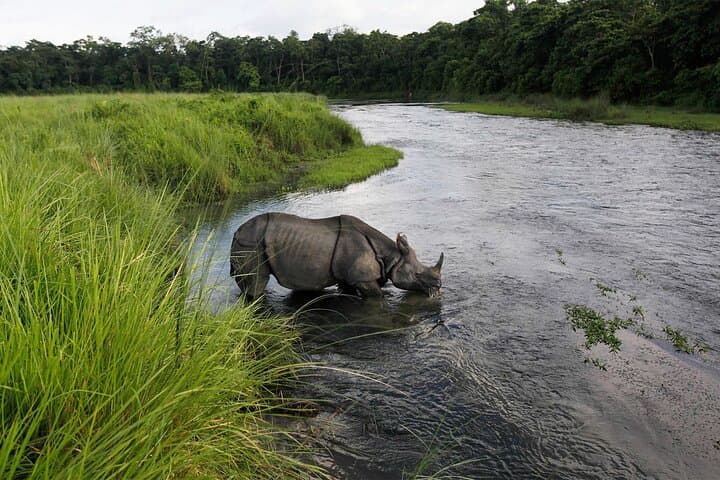
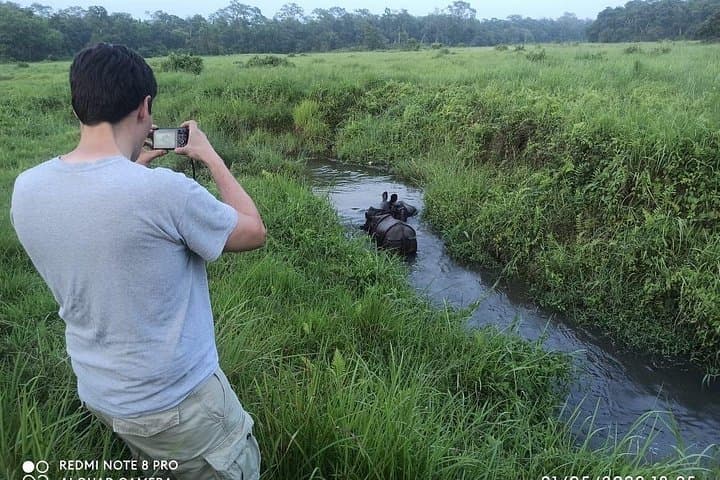
Expect a mix of activities: a steep-ish 45–60 minute hike to the tower at the park edge, dawn canoeing on the Rapti for gharial and marsh mugger sightings, guided jungle walks, and a jeep safari across grasslands to scan for rhino, deer and — with luck — tiger signs. Nights in the solar-powered tower are vivid: guides sleep nearby and will wake you for animal movement; packed dinners and simple bedding are provided.
Practicalities: travel from Kathmandu or Pokhara runs 5–6 hours by road or short flight to Bharatpur plus transfer; bring sturdy boots for uneven trails, insect protection, and a headlamp. Sunrise and late afternoon are best for wildlife viewing; monsoon months make tracks muddy and river levels higher. This overnight is immersive, direct, and intentionally simple — designed for travelers who want wildlife close and authentic Tharu cultural touches.
moderate.
2–3 days.
Suitable for travelers in reasonable health able to hike 45–60 minutes on uneven jungle trails and tolerate basic overnight conditions
Yes; guides and an assistant sleep nearby during tower nights and will wake guests if animals approach. Solo guests should follow guide directions and avoid leaving the tower unaccompanied at night.
Tiger sightings are rare but possible; the itinerary maximizes viewing opportunities (jeep safari, dawn walks), but sightings cannot be guaranteed.
The package includes meals listed (breakfasts, lunches, dinners) and national park fees—confirm specifics at booking for any extras such as camera fees or gratuities.
You should be comfortable walking for about an hour on uneven ground; the tower approach includes gentle slopes and some rooted trail sections.
Chitwan was designated Nepal’s first national park in 1973 to protect its unique Terai ecosystems and flagship species like the one-horned rhino.
Tourism supports local conservation through park fees and community programs; visitors should follow leave-no-trace practices to minimize disturbance to wildlife and riverbanks.
Welcome Nepal Treks P.ltd operates guided outdoor trips and adventures with an emphasis on safety, stewardship, and memorable experiences.
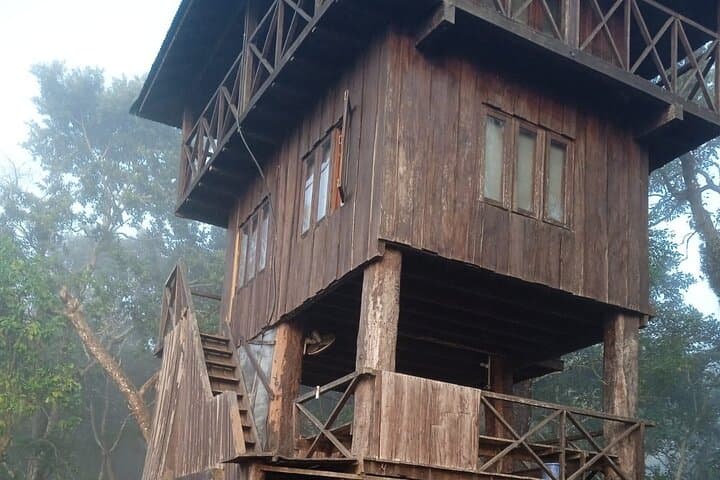

You climb the last slope at dusk, cicadas stepping up the rhythm, and the Rapti River murmurs below as the wooden tower hovers above the floodplain. From that slatted platform the forest feels immediate: grasses brush the leg of the tower, distant snorts and tread announce large mammals, and the sky over the Terai opens, heavy with stars.
You climb the last slope at dusk, cicadas stepping up the rhythm, and the Rapti River murmurs below as the wooden tower hovers above the floodplain. From that slatted platform the forest feels immediate: grasses brush the leg of the tower, distant snorts and tread announce large mammals, and the sky over the Terai opens, heavy with stars.
Chitwan’s lowland plains were once a continuous mosaic of river channels, sal forest and grassland shaped by Himalayan sediment and monsoon floods. The Tharu people have lived here for generations, and village visits on this itinerary reveal rice farming, traditional houses, and a cultural dance that speaks to a close relationship with the land.
Expect a mix of activities: a steep-ish 45–60 minute hike to the tower at the park edge, dawn canoeing on the Rapti for gharial and marsh mugger sightings, guided jungle walks, and a jeep safari across grasslands to scan for rhino, deer and — with luck — tiger signs. Nights in the solar-powered tower are vivid: guides sleep nearby and will wake you for animal movement; packed dinners and simple bedding are provided.
Practicalities: travel from Kathmandu or Pokhara runs 5–6 hours by road or short flight to Bharatpur plus transfer; bring sturdy boots for uneven trails, insect protection, and a headlamp. Sunrise and late afternoon are best for wildlife viewing; monsoon months make tracks muddy and river levels higher. This overnight is immersive, direct, and intentionally simple — designed for travelers who want wildlife close and authentic Tharu cultural touches.