THE ADVENTURE COLLECTIVE® · Independent discovery and booking for outdoor travel

Board a scenic train from Zürich and ride the Eiger Express and cogwheel railway to Jungfraujoch—Europe’s high Alpine station. This private day trip combines engineered mountain transport, the Sphinx terrace views, the Ice Palace, and expert guiding across a long but accessible alpine day.
Board a scenic train from Zürich and ride the Eiger Express and cogwheel railway to Jungfraujoch—Europe’s high Alpine station. This private day trip combines engineered mountain transport, the Sphinx terrace views, the Ice Palace, and expert guiding across a long but accessible alpine day.
You step off the cogwheel train into a thin, crystalline air; the platform is a rim between carved rock and endless white. Snow picks out the edges of the Sphinx Observatory while the Aletsch Glacier sprawls below like a slow-moving silver river daring you to look deeper.
Verified experiences and guided adventures in the surrounding area.
Operated by SwissTravelGuide.ch · Grindelwald, Bern
You step off the cogwheel train into a thin, crystalline air; the platform is a rim between carved rock and endless white. Snow picks out the edges of the Sphinx Observatory while the Aletsch Glacier sprawls below like a slow-moving silver river daring you to look deeper.
The route to Jungfraujoch threads Swiss transport history and high-alpine geology. The Jungfrau Railway—completed in the early 20th century—tunnels through granite born of ancient collisions, rising to 3,454 m at Europe’s high-altitude rail station. Culturally, the Bernese Oberland villages you pass—Interlaken, Grindelwald, Lauterbrunnen—still carry mountain-farming traditions, seasonal chalets, and a tourism ethos centered on low-impact access to fragile glaciers.
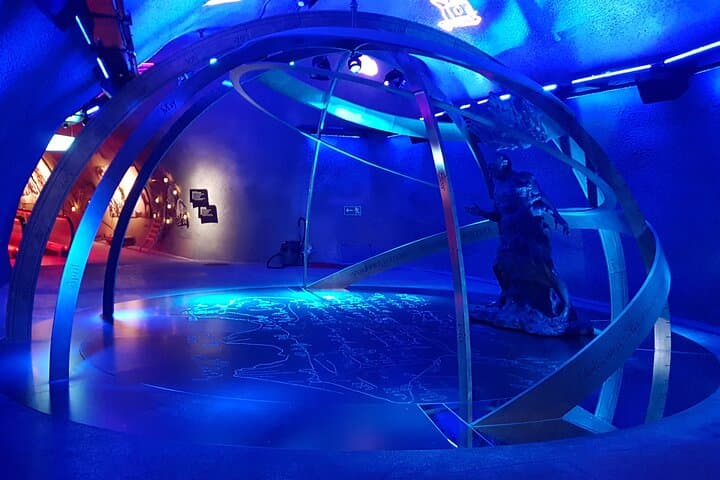
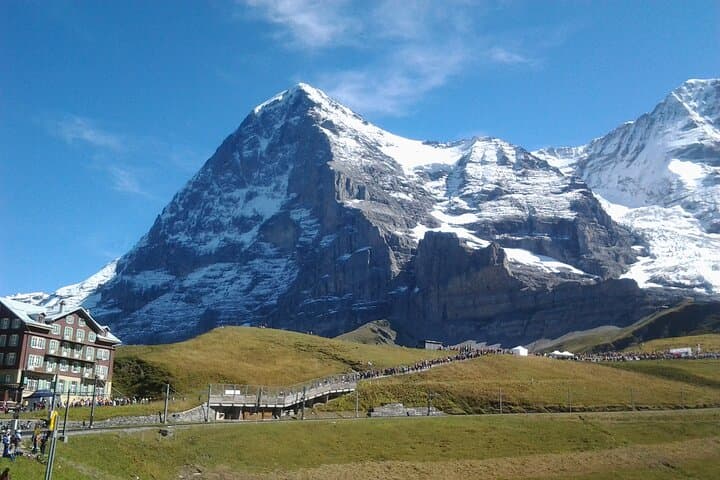
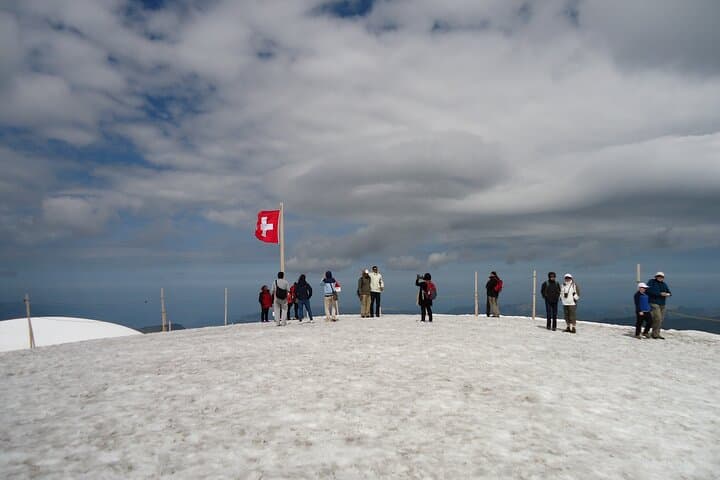
Your private guide will pace the day: the Eiger Express gondola to Eigergletscher, a cogwheel section into the saddle, then an hour’s loop at the summit to visit the Sphinx terraces, Ice Palace, and the Alpine Sensation exhibits. Light changes fast at altitude; bright sun and reflective snow contrast with wind-scrubbed viewpoints.
Practical edge: this is a long, logistically driven day (expect 10–12 hours from Zürich), not a hike. Watch for mild altitude effects, bring high-SPF sun protection, and layer for wind and cold. Trains and cableways run on fixed timetables—reserve seats when possible and keep personal ID handy. For photographers and first-timers, time your visit for clearer morning air or late afternoon light; the glacier views sharpen when the sun is low.
moderate.
10–12 hours.
Suitable for travelers in average fitness—mostly standing and short walks at high altitude rather than sustained hiking.
Some visitors feel mild symptoms at 3,454 m—headache or breathlessness; hydrate, move slowly, and inform your guide if symptoms worsen.
Many areas, including transport and station surfaces, are wheelchair accessible, but specific assistance should be requested before booking for transfers and summit access.
Meals are not typically included—there are cafes and restaurants at Jungfraujoch, but bringing snacks is wise for timing and dietary needs.
Yes—children can join but must be accompanied by an adult; consider altitude tolerance for very young kids.
The Jungfrau Railway opened to the saddle in 1912, an engineering milestone that made high-Alpine observation broadly accessible.
The Aletsch Glacier and surrounding alpine habitats are sensitive—stay on designated paths, avoid litter, and follow guide instructions to minimize impact.
SwissTravelGuide.ch operates guided outdoor trips and adventures with an emphasis on safety, stewardship, and memorable experiences.
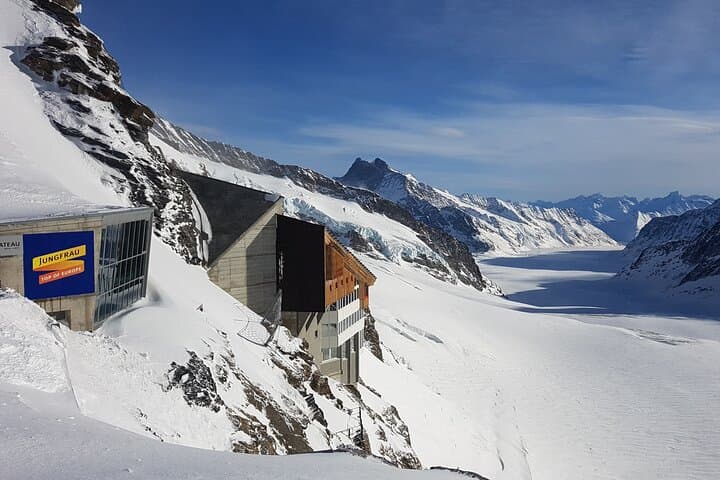
You step off the cogwheel train into a thin, crystalline air; the platform is a rim between carved rock and endless white. Snow picks out the edges of the Sphinx Observatory while the Aletsch Glacier sprawls below like a slow-moving silver river daring you to look deeper.
You step off the cogwheel train into a thin, crystalline air; the platform is a rim between carved rock and endless white. Snow picks out the edges of the Sphinx Observatory while the Aletsch Glacier sprawls below like a slow-moving silver river daring you to look deeper.
The route to Jungfraujoch threads Swiss transport history and high-alpine geology. The Jungfrau Railway—completed in the early 20th century—tunnels through granite born of ancient collisions, rising to 3,454 m at Europe’s high-altitude rail station. Culturally, the Bernese Oberland villages you pass—Interlaken, Grindelwald, Lauterbrunnen—still carry mountain-farming traditions, seasonal chalets, and a tourism ethos centered on low-impact access to fragile glaciers.
Your private guide will pace the day: the Eiger Express gondola to Eigergletscher, a cogwheel section into the saddle, then an hour’s loop at the summit to visit the Sphinx terraces, Ice Palace, and the Alpine Sensation exhibits. Light changes fast at altitude; bright sun and reflective snow contrast with wind-scrubbed viewpoints.
Practical edge: this is a long, logistically driven day (expect 10–12 hours from Zürich), not a hike. Watch for mild altitude effects, bring high-SPF sun protection, and layer for wind and cold. Trains and cableways run on fixed timetables—reserve seats when possible and keep personal ID handy. For photographers and first-timers, time your visit for clearer morning air or late afternoon light; the glacier views sharpen when the sun is low.