THE ADVENTURE COLLECTIVE® · Independent discovery and booking for outdoor travel

Climb from Interlaken into the high Alps on a guided afternoon roundtrip to Jungfraujoch—the Top of Europe. Experience year‑round snow, the Ice Palace, the Sphinx observatory and sweeping views of the Aletsch Glacier, with practical notes on altitude and timing.
Climb from Interlaken into the high Alps on a guided afternoon roundtrip to Jungfraujoch—the Top of Europe. Experience year‑round snow, the Ice Palace, the Sphinx observatory and sweeping views of the Aletsch Glacier, with practical notes on altitude and timing.
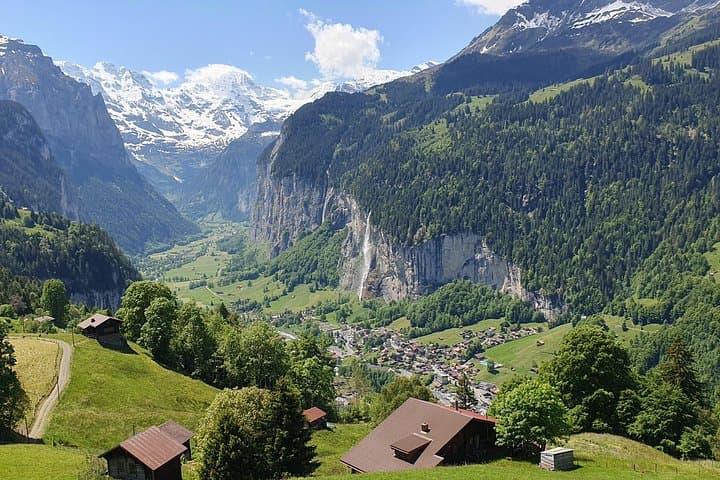
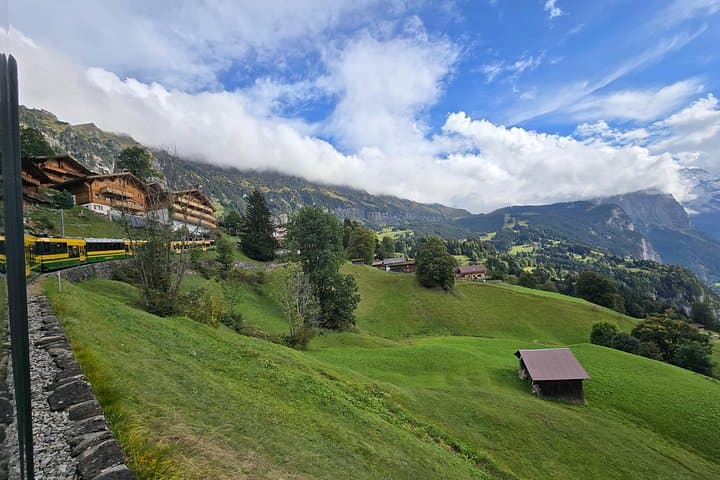
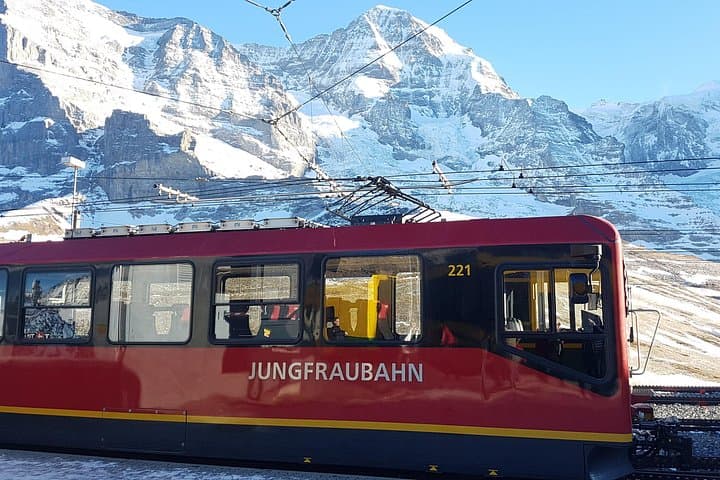
A late-afternoon train eases out of Interlaken Ost, the valley shrinking as timbered houses and waterfalls slip behind. By Lauterbrunnen the cliffs close in; the Staubbach waterfall throws a fine spray that catches the sun, daring you to look away. The cogwheel train climbs through tiers of alpine meadows and scree until Kleine Scheidegg opens a bowl of rock faces—the Eiger, Mönch and Jungfrau—each one different in color and mood.
Verified experiences and guided adventures in the surrounding area.
Operated by SwissTravelGuide.ch · Interlaken, Canton of Bern
A late-afternoon train eases out of Interlaken Ost, the valley shrinking as timbered houses and waterfalls slip behind. By Lauterbrunnen the cliffs close in; the Staubbach waterfall throws a fine spray that catches the sun, daring you to look away. The cogwheel train climbs through tiers of alpine meadows and scree until Kleine Scheidegg opens a bowl of rock faces—the Eiger, Mönch and Jungfrau—each one different in color and mood.
Jungfraujoch sits on a high saddle carved by ice and time. The region’s geology records repeated glaciations; the Aletsch Glacier visible from the Sphinx platform is Europe’s largest, still slowly inching downhill. Culturally, the Bernese Oberland grew from mountain farming and transport ingenuity—cogwheel lines and tunnels that turned an extreme environment into accessible wonder.
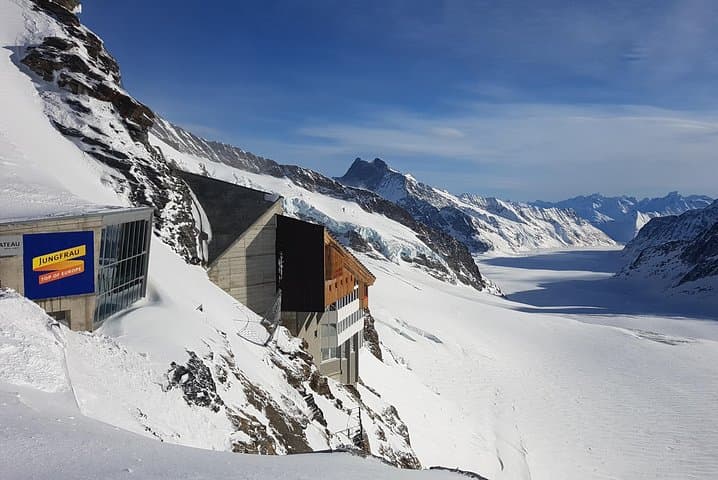
Visitors can walk the Ice Palace, stand at the Sphinx observatory, and look down the glacier’s spine. The place is engineered to show off raw alpine forces: tunnels, viewing platforms and elevators make extremes readable to most travelers.
Practical guidance: plan for altitude—symptoms start for some above 3,000 m—so hydrate, move deliberately, and limit heavy exertion when you arrive. Dress in layers: wind and sun are both strong on the plateau. Expect significant time in transit—this is a full afternoon with multiple train and cable transfers—and bring a validated ticket and your passport if required for reservations.
Timing tip: afternoon light sharpens relief on the north faces; late departures often return via Grindelwald, offering a different descent perspective. Respect marked paths and staff instructions—glacial terrain remains dynamic.
moderate.
7–8 hours.
Suitable for travelers in normal health who can tolerate short walks at altitude; not recommended for those with serious cardiovascular issues.
The guided afternoon roundtrip runs about 7–8 hours door‑to‑door, including train and cable transfers and time at Jungfraujoch.
Infants may join but must sit on an adult’s lap; stroller access is possible on some sections but plan for transfers and stairs.
Some visitors experience mild symptoms—headache, shortness of breath—above 3,000 m; hydrate, eat lightly and avoid quick exertion.
The tour includes reserved seats and Jungfraujoch round‑trip tickets as part of the booking; carry your mobile or printed ticket for boarding.
Railway construction in the late 19th and early 20th centuries transformed Jungfraujoch from an inaccessible saddle into a celebrated engineering route tied to alpine tourism development.
Visitors are encouraged to stay on marked paths and limit waste; glacial retreat is visible year-to-year, making low-impact visitation and local conservation fees important.
SwissTravelGuide.ch operates guided outdoor trips and adventures with an emphasis on safety, stewardship, and memorable experiences.
A late-afternoon train eases out of Interlaken Ost, the valley shrinking as timbered houses and waterfalls slip behind. By Lauterbrunnen the cliffs close in; the Staubbach waterfall throws a fine spray that catches the sun, daring you to look away. The cogwheel train climbs through tiers of alpine meadows and scree until Kleine Scheidegg opens a bowl of rock faces—the Eiger, Mönch and Jungfrau—each one different in color and mood.
A late-afternoon train eases out of Interlaken Ost, the valley shrinking as timbered houses and waterfalls slip behind. By Lauterbrunnen the cliffs close in; the Staubbach waterfall throws a fine spray that catches the sun, daring you to look away. The cogwheel train climbs through tiers of alpine meadows and scree until Kleine Scheidegg opens a bowl of rock faces—the Eiger, Mönch and Jungfrau—each one different in color and mood.
Jungfraujoch sits on a high saddle carved by ice and time. The region’s geology records repeated glaciations; the Aletsch Glacier visible from the Sphinx platform is Europe’s largest, still slowly inching downhill. Culturally, the Bernese Oberland grew from mountain farming and transport ingenuity—cogwheel lines and tunnels that turned an extreme environment into accessible wonder.
Visitors can walk the Ice Palace, stand at the Sphinx observatory, and look down the glacier’s spine. The place is engineered to show off raw alpine forces: tunnels, viewing platforms and elevators make extremes readable to most travelers.
Practical guidance: plan for altitude—symptoms start for some above 3,000 m—so hydrate, move deliberately, and limit heavy exertion when you arrive. Dress in layers: wind and sun are both strong on the plateau. Expect significant time in transit—this is a full afternoon with multiple train and cable transfers—and bring a validated ticket and your passport if required for reservations.
Timing tip: afternoon light sharpens relief on the north faces; late departures often return via Grindelwald, offering a different descent perspective. Respect marked paths and staff instructions—glacial terrain remains dynamic.