THE ADVENTURE COLLECTIVE® · Independent discovery and booking for outdoor travel

Board a morning coach from Lausanne and ride the rack railway to Jungfraujoch — Europe’s highest railway station at 3,454 m. Between Sphinx Observatory views, an Ice Palace under the glacier and free time in Interlaken, this full‑day trip packs high‑altitude spectacle into an easy itinerary.
Board a morning coach from Lausanne and ride the rack railway to Jungfraujoch — Europe’s highest railway station at 3,454 m. Between Sphinx Observatory views, an Ice Palace under the glacier and free time in Interlaken, this full‑day trip packs high‑altitude spectacle into an easy itinerary.
You step onto the morning bus at Vennes, Lausanne, coffee still warm in your hands, and the city slides away as the road climbs toward the Bernese Oberland. Villages thin out, meadows widen and the first jagged teeth of the Eiger and Mönch appear on the horizon like a promise. By the time the coach eases into Lauterbrunnen valley, the sound of distant waterfalls is loud enough to compete with the chatter of fellow travelers.
Verified experiences and guided adventures in the surrounding area.
Operated by Keytours (Switzerland) · Interlaken, Canton of Bern
You step onto the morning bus at Vennes, Lausanne, coffee still warm in your hands, and the city slides away as the road climbs toward the Bernese Oberland. Villages thin out, meadows widen and the first jagged teeth of the Eiger and Mönch appear on the horizon like a promise. By the time the coach eases into Lauterbrunnen valley, the sound of distant waterfalls is loud enough to compete with the chatter of fellow travelers.
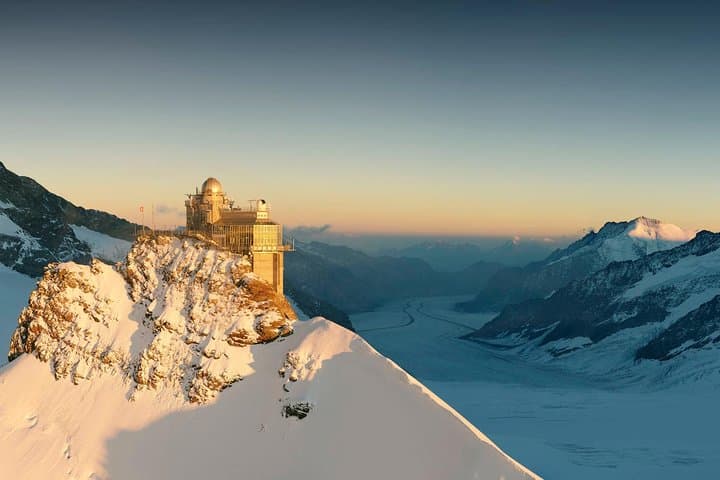
The real ascent is by rack railway — a slow, purposeful climb through rock and tunnel that delivers you into a different atmosphere at 3,454 metres. The Jungfraujoch station, Europe’s highest, opens to air so thin and sharp it makes conversation deliberate. The Sphinx observatory juts above the platform, a concrete eye with a view: a sweep of peaks, the ribbon of the Aletsch Glacier and the tiny, geometrical clusters of chalets far below.
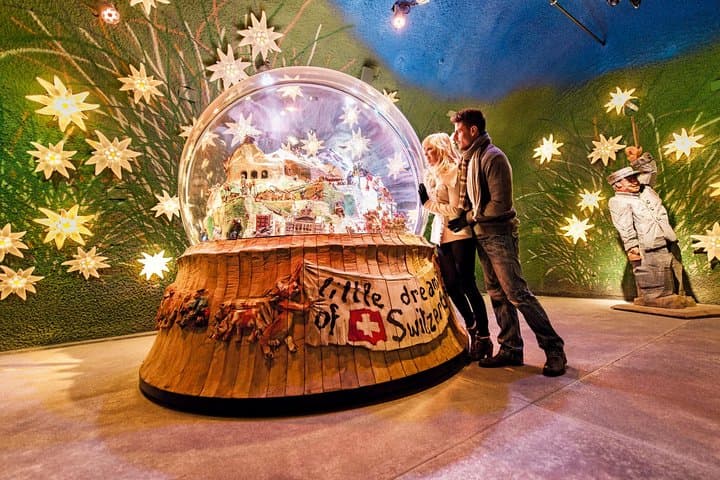
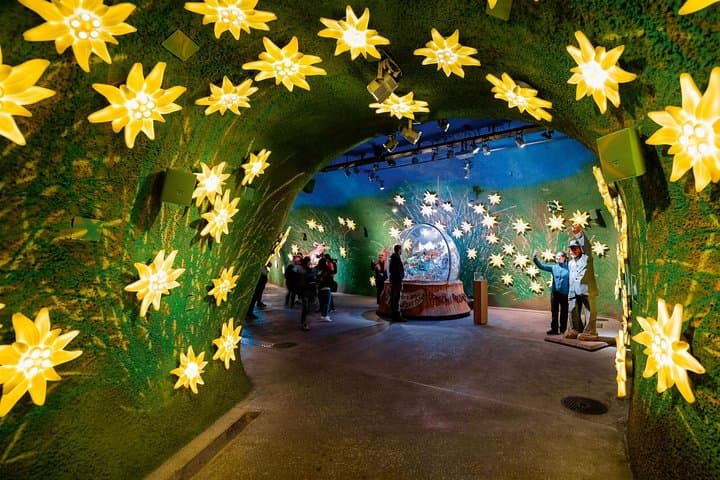
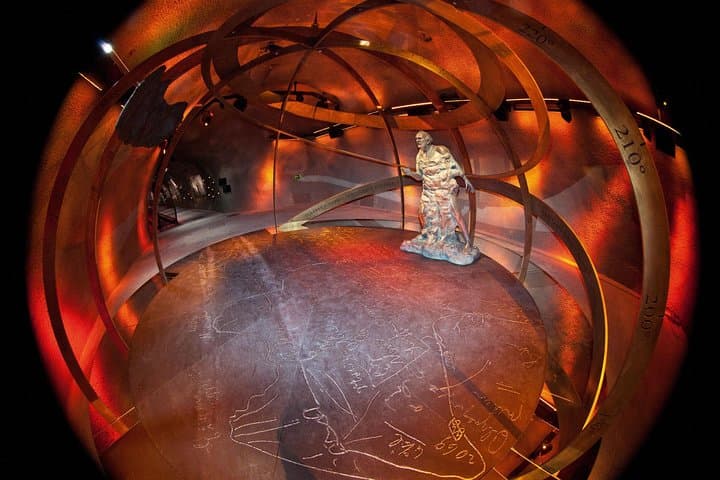
Inside, the Ice Palace cuts blue caverns into the glacier, luminous and cool underfoot. Outside, the Alpine Sensation exhibition traces the audacious century-long effort to tunnel into the high Alps — the Jungfrau Railway, completed in 1912, reshaped access to the high mountains and the tourist economy of the region. Back at ground level, Interlaken offers a gentler counterpoint: promenade shopping on Höheweg, cafés spilling onto squares, and easy walks beside Lake Thun.
Geology here is on dramatic display. Glacial ice carves the valleys; cirques and ridges tell a slow story of movement and melt. The area is also culturally distinct — Bernese German dialects, alpine farming traditions and long-standing mountain hospitality. But the glacier’s future is not guaranteed: warming has thinned ice and reshaped trails, and responsible tourism now means limiting waste, staying on paths and supporting local conservation efforts.
Practical edge: the tour is an 11‑hour day with hotel pickup at Vennes and all Jungfrau train tickets included. Expect short walks on snow and ice; crampons aren’t necessary but sturdy footwear and windproof layers are. Altitude can hit hard — pause, hydrate and take your time moving. Bring sunscreen and sunglasses; the sun off snow is intense. Interlaken free time gives you room to stretch legs, grab a meal or browse local crafts before the return drive.
Timing matters: mornings deliver crisper air and clearer views, while afternoons can bring clouds over the peaks. If you’re sensitive to altitude, consult your doctor and plan for a slower pace. For photographers, the Sphinx deck and the Ice Palace offer dramatic foregrounds; from Interlaken, the Höheweg frames the valley and lake with the high peaks behind.
This day trip folds high alpine spectacle into a single, manageable itinerary — great for travelers based in Lausanne who want the Alps’ height and drama without overnight planning.
moderate.
11 hours.
Suitable for travelers of average fitness; short walks on snow and uneven surfaces require steady footing and comfortable mobility.
The tour is approximately 11 hours total; pickup at Vennes (Lausanne) is between 8:00 and 8:15 AM and returns the same evening.
This tour is not recommended for pregnant travelers or those with serious cardiovascular conditions due to high altitude and rapid ascent.
Yes — the Jungfrau rack railway ticket and access to included areas like the Sphinx observation deck and Ice Palace are covered by the tour inclusions.
No specialized equipment is required; sturdy shoes with good traction and warm layers are sufficient for the short, managed snow and ice sections.
Yes — the itinerary includes about 45–60 minutes of free time in Interlaken to walk the Höheweg, visit shops or grab food.
The operator may cancel in bad weather; full refunds are available if canceled at least 24 hours before departure, and same‑day cancellations due to weather can occur.
The Jungfrau Railway was completed in the early 20th century (1912) after decades of tunneling under the Eiger and Mönch, opening high alpine terrain to tourism and scientific observation.
The Aletsch region and nearby glaciers are sensitive to warming; visitors are encouraged to minimize waste, stay on marked routes and support local conservation efforts.
Keytours (Switzerland) operates guided outdoor trips and adventures with an emphasis on safety, stewardship, and memorable experiences.
You step onto the morning bus at Vennes, Lausanne, coffee still warm in your hands, and the city slides away as the road climbs toward the Bernese Oberland. Villages thin out, meadows widen and the first jagged teeth of the Eiger and Mönch appear on the horizon like a promise. By the time the coach eases into Lauterbrunnen valley, the sound of distant waterfalls is loud enough to compete with the chatter of fellow travelers.
You step onto the morning bus at Vennes, Lausanne, coffee still warm in your hands, and the city slides away as the road climbs toward the Bernese Oberland. Villages thin out, meadows widen and the first jagged teeth of the Eiger and Mönch appear on the horizon like a promise. By the time the coach eases into Lauterbrunnen valley, the sound of distant waterfalls is loud enough to compete with the chatter of fellow travelers.
The real ascent is by rack railway — a slow, purposeful climb through rock and tunnel that delivers you into a different atmosphere at 3,454 metres. The Jungfraujoch station, Europe’s highest, opens to air so thin and sharp it makes conversation deliberate. The Sphinx observatory juts above the platform, a concrete eye with a view: a sweep of peaks, the ribbon of the Aletsch Glacier and the tiny, geometrical clusters of chalets far below.
Inside, the Ice Palace cuts blue caverns into the glacier, luminous and cool underfoot. Outside, the Alpine Sensation exhibition traces the audacious century-long effort to tunnel into the high Alps — the Jungfrau Railway, completed in 1912, reshaped access to the high mountains and the tourist economy of the region. Back at ground level, Interlaken offers a gentler counterpoint: promenade shopping on Höheweg, cafés spilling onto squares, and easy walks beside Lake Thun.
Geology here is on dramatic display. Glacial ice carves the valleys; cirques and ridges tell a slow story of movement and melt. The area is also culturally distinct — Bernese German dialects, alpine farming traditions and long-standing mountain hospitality. But the glacier’s future is not guaranteed: warming has thinned ice and reshaped trails, and responsible tourism now means limiting waste, staying on paths and supporting local conservation efforts.
Practical edge: the tour is an 11‑hour day with hotel pickup at Vennes and all Jungfrau train tickets included. Expect short walks on snow and ice; crampons aren’t necessary but sturdy footwear and windproof layers are. Altitude can hit hard — pause, hydrate and take your time moving. Bring sunscreen and sunglasses; the sun off snow is intense. Interlaken free time gives you room to stretch legs, grab a meal or browse local crafts before the return drive.
Timing matters: mornings deliver crisper air and clearer views, while afternoons can bring clouds over the peaks. If you’re sensitive to altitude, consult your doctor and plan for a slower pace. For photographers, the Sphinx deck and the Ice Palace offer dramatic foregrounds; from Interlaken, the Höheweg frames the valley and lake with the high peaks behind.
This day trip folds high alpine spectacle into a single, manageable itinerary — great for travelers based in Lausanne who want the Alps’ height and drama without overnight planning.