
Jungfrau Travel Pass: 3–8 Day Bernese Oberland Pass for Trains, Boats & Gondolas
Move through the Bernese Oberland by train, boat, gondola and bus with a 3–8 day Jungfrau Travel Pass. Explore Interlaken, Grindelwald, Lauterbrunnen, Schynige Platte and Jungfraujoch with flexible, unlimited transport access.
An Adventure In Interlaken.
Move through the Bernese Oberland by train, boat, gondola and bus with a 3–8 day Jungfrau Travel Pass. Explore Interlaken, Grindelwald, Lauterbrunnen, Schynige Platte and Jungfraujoch with flexible, unlimited transport access.
Read the full experience
You step off the train in Interlaken with a small paper or mobile pass in your pocket and the Alps already pressing the horizon: Eiger’s north face frowns, the Jungfrau rises white and remorseless, and the Lütschine rivers thread green valleys below.
You step off the train in Interlaken with a small paper or mobile pass in your pocket and the Alps already pressing the horizon: Eiger’s north face frowns, the Jungfrau rises white and remorseless, and the Lütschine rivers thread green valleys below.
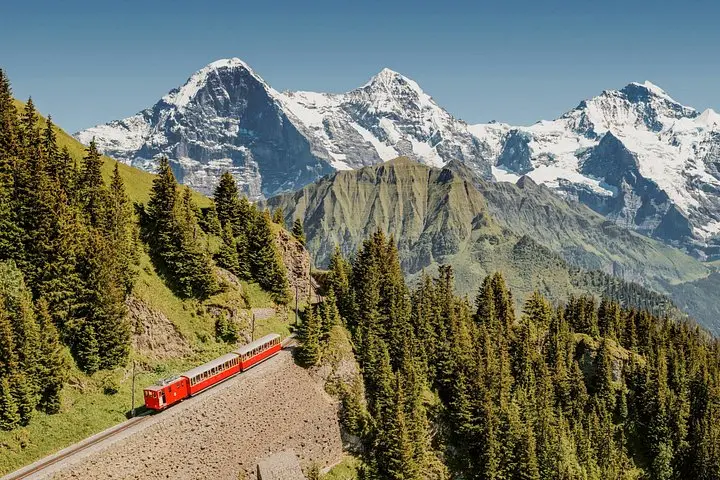
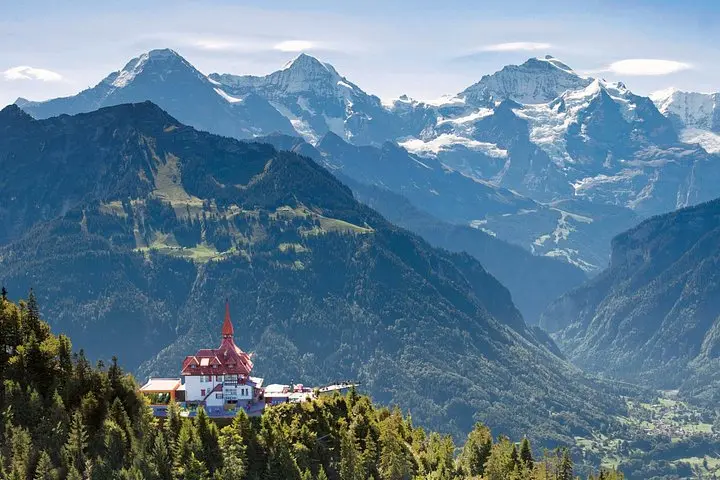
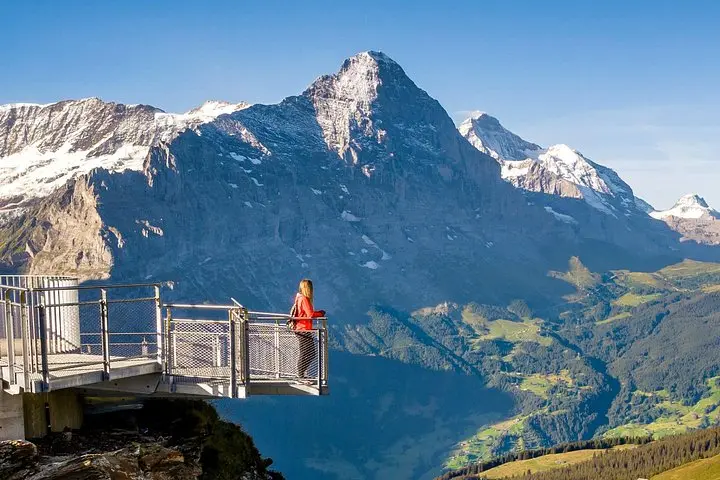
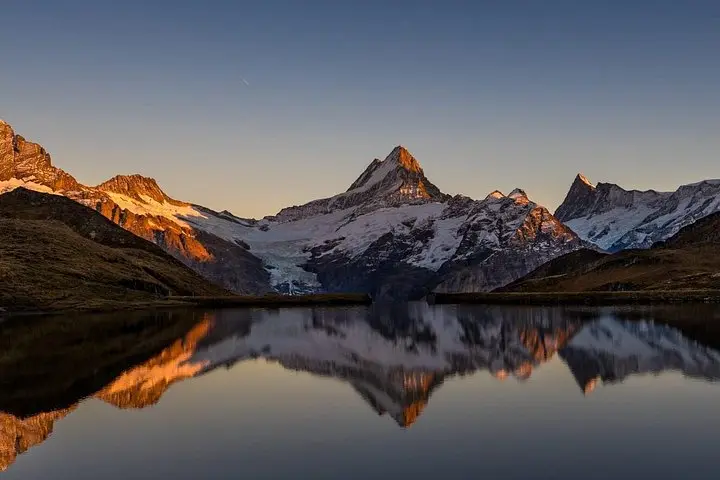
The Jungfrau Travel Pass lets you move through that mountain architecture by rail, gondola, bus and boat for 3–8 days. Geology here is dramatic—glacial ice and ancient crystalline rock carved U-shaped valleys, steep cols, and hanging meadows—so every transfer feels like changing chapters. Visit Harder Kulm (1,322 m) for quick panoramas, ride the historic rack rail to Kleine Scheidegg, or take boats across Brienzersee and Thunersee. Schynige Platte’s alpine ridges and Mount First’s craggy trails offer day hikes of 5–15 km with typical elevation gains from a few hundred metres to nearly a thousand on steeper ascents. Jungfraujoch, Europe’s high-altitude rail terminus at 3,454 m, delivers glacial views and thin-air walking.
Locals balance tourism with pastoral life; mountain pastures still produce cheese and seasonal festivals mark transhumance. Practical planning: buy the pass before travel, reserve peak-day trains where possible, and allow buffer time for weather delays. Carry layered clothing—high-elevation weather changes fast—bring sun protection, and keep a day’s water and snacks for ridge walks.
This pass isn’t a single-route ticket but a toolkit for moving through the Bernese Oberland; use it to stitch together short hikes, scenic boat crossings, and summit viewpoints, and let the transport network do the heavy lifting.
Frequently asked questions
The pass covers unlimited travel on select local trains, gondolas, buses and boats in the Jungfrau region—check the pass map for specific lines included.
Yes; the pass covers select segments but additional supplements or seat reservations may apply for specific high-altitude trains—confirm details before travel.
Many transportation options in the region are wheelchair accessible, including some boats and lower-elevation trains; accessibility varies by line—verify individual services in advance.
Summer offers the most hiking and boat options, while late spring and early fall provide fewer crowds and good views; winter access is possible but some lifts and trails may be closed.
About This Experience
Jungfrau - Top of Europe operates guided outdoor trips and adventures with an emphasis on safety, stewardship, and memorable experiences.
Adventure tips
Recommended gear
- Waterproof breathable jacket: Protects from sudden rain and wind at higher elevations.
- Sturdy hiking shoes: Support and traction for rocky alpine paths and village cobbles.
- Sunglasses and sunscreen: High-altitude sun exposure intensifies; protect skin and eyes.
- Daypack with water bladder: Carries layers, snacks and 1–2 L of water for ridge walks and transfers.
Photos of the experience
Related adventures & guides
Read the full experience
You step off the train in Interlaken with a small paper or mobile pass in your pocket and the Alps already pressing the horizon: Eiger’s north face frowns, the Jungfrau rises white and remorseless, and the Lütschine rivers thread green valleys below.
You step off the train in Interlaken with a small paper or mobile pass in your pocket and the Alps already pressing the horizon: Eiger’s north face frowns, the Jungfrau rises white and remorseless, and the Lütschine rivers thread green valleys below.
The Jungfrau Travel Pass lets you move through that mountain architecture by rail, gondola, bus and boat for 3–8 days. Geology here is dramatic—glacial ice and ancient crystalline rock carved U-shaped valleys, steep cols, and hanging meadows—so every transfer feels like changing chapters. Visit Harder Kulm (1,322 m) for quick panoramas, ride the historic rack rail to Kleine Scheidegg, or take boats across Brienzersee and Thunersee. Schynige Platte’s alpine ridges and Mount First’s craggy trails offer day hikes of 5–15 km with typical elevation gains from a few hundred metres to nearly a thousand on steeper ascents. Jungfraujoch, Europe’s high-altitude rail terminus at 3,454 m, delivers glacial views and thin-air walking.
Locals balance tourism with pastoral life; mountain pastures still produce cheese and seasonal festivals mark transhumance. Practical planning: buy the pass before travel, reserve peak-day trains where possible, and allow buffer time for weather delays. Carry layered clothing—high-elevation weather changes fast—bring sun protection, and keep a day’s water and snacks for ridge walks.
This pass isn’t a single-route ticket but a toolkit for moving through the Bernese Oberland; use it to stitch together short hikes, scenic boat crossings, and summit viewpoints, and let the transport network do the heavy lifting.
Make a day of it nearby.
Verified experiences and guided adventures in the surrounding area.