THE ADVENTURE COLLECTIVE® · Independent discovery and booking for outdoor travel

A private day trip from Zurich to Jungfraujoch delivers alpine engineering, glacier views and an accessible high‑altitude experience. Expect an eight‑hour day, train climbs to 3,454 m and walkable exhibits like the Ice Palace.
A private day trip from Zurich to Jungfraujoch delivers alpine engineering, glacier views and an accessible high‑altitude experience. Expect an eight‑hour day, train climbs to 3,454 m and walkable exhibits like the Ice Palace.
You step out of Zurich traffic into a vehicle that eats autobahn miles and delivers you into alpine light. Lowland farms give way to ramparts of rock; the valley narrows, waterfalls pick at cliffs and the air cools as the ride climbs toward Lauterbrunnen and Kleine Scheidegg. From there the rack railway pulls you up through a tunnel bored into the mountain, spitting you out at 3,454 m — the Jungfraujoch, Europe’s highest railway station.
Verified experiences and guided adventures in the surrounding area.
Operated by Gedi Spass · Lauterbrunnen, Canton of Bern
You step out of Zurich traffic into a vehicle that eats autobahn miles and delivers you into alpine light. Lowland farms give way to ramparts of rock; the valley narrows, waterfalls pick at cliffs and the air cools as the ride climbs toward Lauterbrunnen and Kleine Scheidegg. From there the rack railway pulls you up through a tunnel bored into the mountain, spitting you out at 3,454 m — the Jungfraujoch, Europe’s highest railway station.
The line itself is a feat of early 20th‑century engineering, completed to the Jungfraujoch in 1912, carved through Mönch and Eiger to grant access to the high glacial basin. Geologically the Bernese Alps are recent and active: steep faces of crystalline rock hold cirques and fast‑moving ice that shape the landscape season to season. Local culture in Lauterbrunnen and Wengen leans alpine and practical — chalet agriculture, mountain guides, and a long history of hosting winter and summer visitors.
Practical guidance: allow a full day (the operator schedules about eight hours from Zurich), book Jungfraujoch train tickets in advance, and arrive early to avoid peak crowds. Expect large temperature swings and strong high‑altitude sun; plan layers, eye protection and slow pacing to reduce altitude strain. Mobility access is generally good on main platforms and exhibits, but some glacier areas and stairways in the Ice Palace are tight. Bring a charged camera, water, and compact layers — the glacier will demand respect and the views reward patience.
easy.
8 hours.
Suitable for most fitness levels — requires standing, short walks and managing altitude; not recommended for people with severe cardiovascular or spinal conditions.
The private tour schedules about eight hours door‑to‑door, including driving time to the Bernese Oberland and the Jungfrau Railway segments.
Main platforms and several exhibits are wheelchair accessible, but some areas (ice tunnels and steep steps) are restricted; advise informing the operator about mobility needs in advance.
Some visitors experience mild symptoms (headache, shortness of breath); pace yourself, hydrate, avoid heavy exertion and descend if severe symptoms occur.
Bottled water is provided per the tour inclusions; restaurant access is available at the summit but meals are not included in the basic tour price.
The Jungfrau Railway was completed to the Jungfraujoch in the early 20th century as an ambitious mountain railway project that opened alpine access for scientific study and tourism.
Alpine glaciers here are retreating; visitors are encouraged to stay on marked paths, minimize waste, and support local conservation initiatives that monitor glacial change.
Gedi Spass operates guided outdoor trips and adventures with an emphasis on safety, stewardship, and memorable experiences.
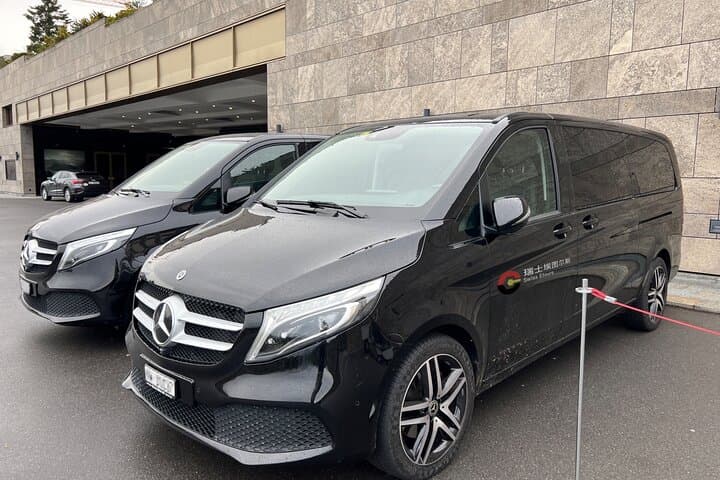
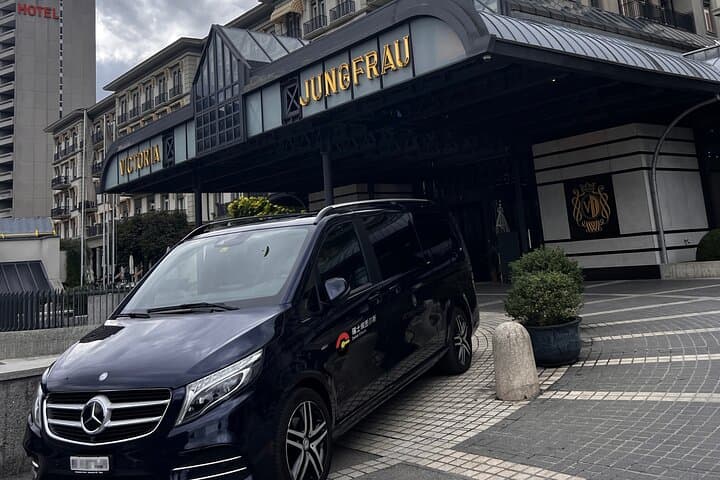
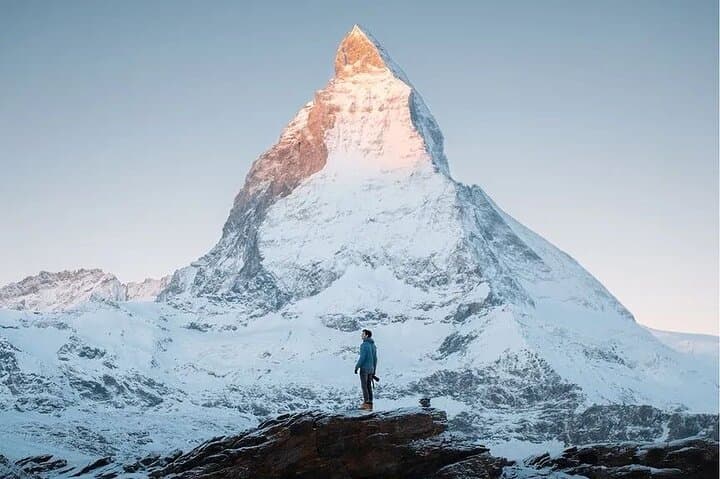
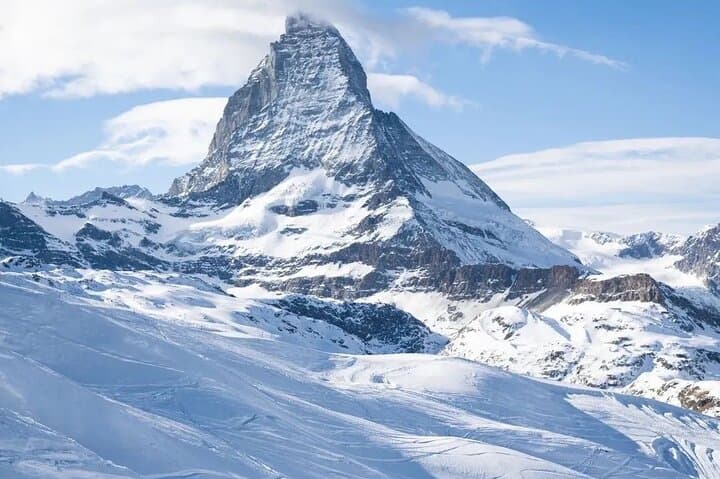
You step out of Zurich traffic into a vehicle that eats autobahn miles and delivers you into alpine light. Lowland farms give way to ramparts of rock; the valley narrows, waterfalls pick at cliffs and the air cools as the ride climbs toward Lauterbrunnen and Kleine Scheidegg. From there the rack railway pulls you up through a tunnel bored into the mountain, spitting you out at 3,454 m — the Jungfraujoch, Europe’s highest railway station.
You step out of Zurich traffic into a vehicle that eats autobahn miles and delivers you into alpine light. Lowland farms give way to ramparts of rock; the valley narrows, waterfalls pick at cliffs and the air cools as the ride climbs toward Lauterbrunnen and Kleine Scheidegg. From there the rack railway pulls you up through a tunnel bored into the mountain, spitting you out at 3,454 m — the Jungfraujoch, Europe’s highest railway station.
The line itself is a feat of early 20th‑century engineering, completed to the Jungfraujoch in 1912, carved through Mönch and Eiger to grant access to the high glacial basin. Geologically the Bernese Alps are recent and active: steep faces of crystalline rock hold cirques and fast‑moving ice that shape the landscape season to season. Local culture in Lauterbrunnen and Wengen leans alpine and practical — chalet agriculture, mountain guides, and a long history of hosting winter and summer visitors.
Practical guidance: allow a full day (the operator schedules about eight hours from Zurich), book Jungfraujoch train tickets in advance, and arrive early to avoid peak crowds. Expect large temperature swings and strong high‑altitude sun; plan layers, eye protection and slow pacing to reduce altitude strain. Mobility access is generally good on main platforms and exhibits, but some glacier areas and stairways in the Ice Palace are tight. Bring a charged camera, water, and compact layers — the glacier will demand respect and the views reward patience.