THE ADVENTURE COLLECTIVE® · Independent discovery and booking for outdoor travel

Spend a day from Busan exploring Junam Wetlands’ migratory bird spectacle and the historic Haeinsa Temple with its 13th-century Tripitaka Koreana woodblocks. This full-day private tour balances wildlife viewing with cultural depth and includes lunch and hotel transport.
Spend a day from Busan exploring Junam Wetlands’ migratory bird spectacle and the historic Haeinsa Temple with its 13th-century Tripitaka Koreana woodblocks. This full-day private tour balances wildlife viewing with cultural depth and includes lunch and hotel transport.
You step off the van into a wide, low light that skates across shallow water—Junam Wetlands stretches flat and restless, reeds leaning as if listening. Migratory flocks wheel and land in silent choreography; in winter the white-naped cranes stake a regal claim, in summer lotus pads bloom like green coins across the floodplain.
Verified experiences and guided adventures in the surrounding area.
Operated by Kangsan Travel Service Co.,Ltd · Busan, Busan
You step off the van into a wide, low light that skates across shallow water—Junam Wetlands stretches flat and restless, reeds leaning as if listening. Migratory flocks wheel and land in silent choreography; in winter the white-naped cranes stake a regal claim, in summer lotus pads bloom like green coins across the floodplain.
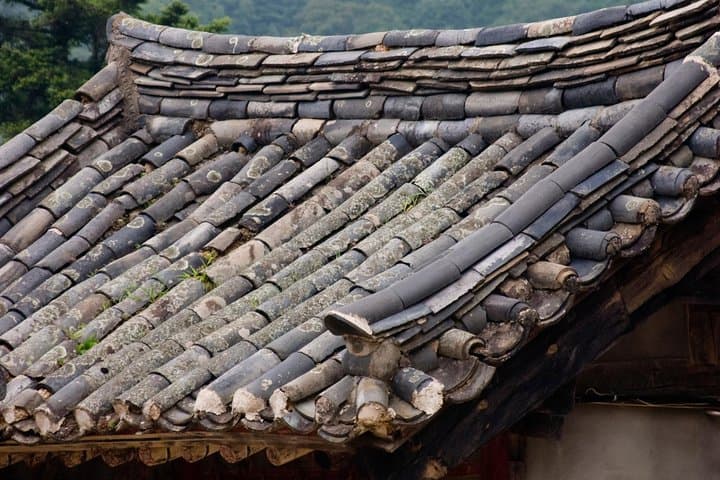
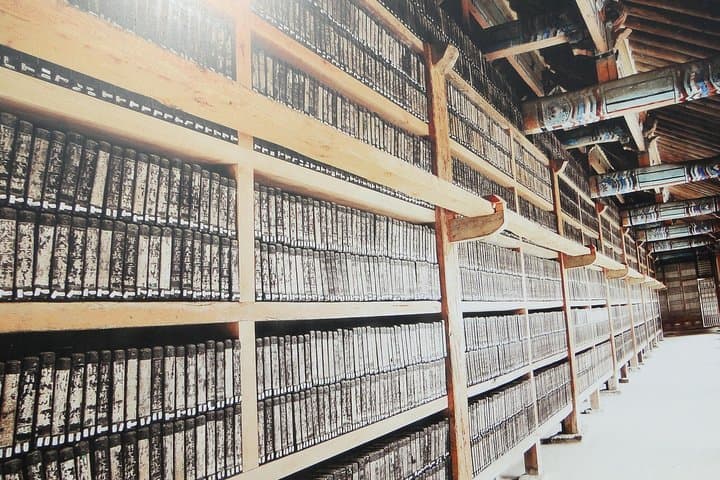
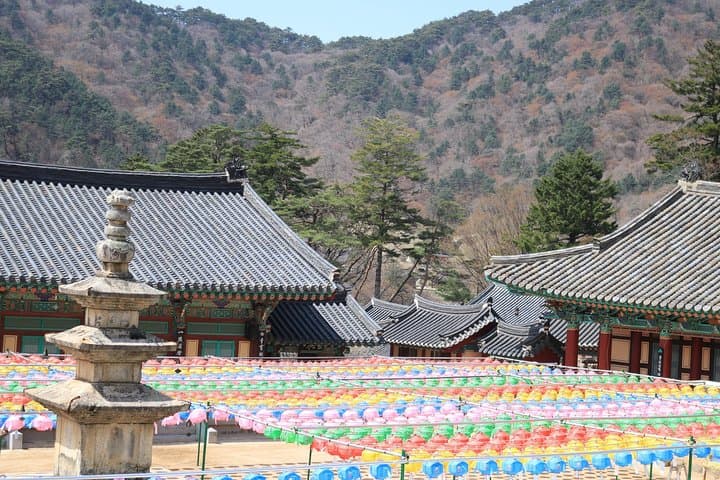
From the wetlands the route climbs into Gayasan’s cooler air and into Haeinsa Temple, where the woodblock shelves of the Tripitaka Koreana sit under temple eaves carved centuries ago. The temple’s timber buildings sit on a gentle mountainside; stone steps and forest paths lead you past small pagodas and quiet courtyards that reflect Silla and Goryeo-era devotion.
Geology here is folded granite and older metamorphic bedrock—the mountain holds trails carved into long, weathered ribs—and the wetlands themselves are a Ramsar-listed freshwater habitat shaped by seasonal inundation and sediment. Culture and conservation intersect: monks still maintain the temple’s repositories while local stewards monitor the bird populations.
Practical guidance: this is a full-day, private excursion (about 9 hours) with hotel pickup from Busan. Expect a moderate amount of walking on mostly flat boardwalks at Junam and uneven stone paths at Haeinsa; bring binoculars, a camera, and weather-appropriate layers. Respect posted viewing distances and follow your guide’s directions—disturbing nesting or feeding birds harms the whole system. Lunch and bottled water are included; plan for early starts in winter when bird activity peaks and for insect repellent in summer lotus season.
easy.
9 hours.
Suitable for most fitness levels; able to walk 1–3 miles over varied surfaces and climb short stone steps
The tour runs approximately 9 hours, including round-trip hotel pickup from Busan, guided visits, and lunch.
The tour notes wheelchair-accessible transport and areas at Junam, but Haeinsa includes stone steps and uneven ground—confirm accessibility needs when booking.
Junam is a major migratory stop and often hosts white-naped cranes in winter, but sightings depend on season and weather—guides increase your chances of good viewing.
Yes, a professional English-speaking guide is included for the private tour.
Haeinsa holds the 13th-century Tripitaka Koreana woodblocks—one of the most complete and well-preserved sets of Buddhist scriptures in the world.
Junam is Ramsar-listed and managed for migratory birds; visitors are asked to stay on paths, avoid disturbance, and follow guide instructions to minimize impact.
Kangsan Travel Service Co.,Ltd operates guided outdoor trips and adventures with an emphasis on safety, stewardship, and memorable experiences.
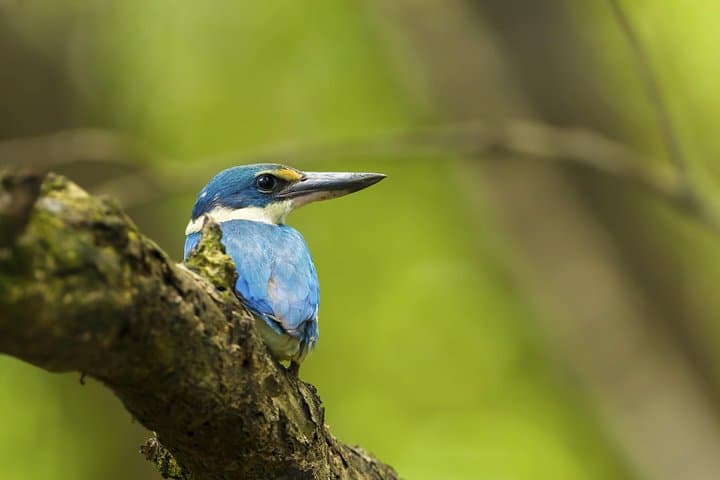
You step off the van into a wide, low light that skates across shallow water—Junam Wetlands stretches flat and restless, reeds leaning as if listening. Migratory flocks wheel and land in silent choreography; in winter the white-naped cranes stake a regal claim, in summer lotus pads bloom like green coins across the floodplain.
You step off the van into a wide, low light that skates across shallow water—Junam Wetlands stretches flat and restless, reeds leaning as if listening. Migratory flocks wheel and land in silent choreography; in winter the white-naped cranes stake a regal claim, in summer lotus pads bloom like green coins across the floodplain.
From the wetlands the route climbs into Gayasan’s cooler air and into Haeinsa Temple, where the woodblock shelves of the Tripitaka Koreana sit under temple eaves carved centuries ago. The temple’s timber buildings sit on a gentle mountainside; stone steps and forest paths lead you past small pagodas and quiet courtyards that reflect Silla and Goryeo-era devotion.
Geology here is folded granite and older metamorphic bedrock—the mountain holds trails carved into long, weathered ribs—and the wetlands themselves are a Ramsar-listed freshwater habitat shaped by seasonal inundation and sediment. Culture and conservation intersect: monks still maintain the temple’s repositories while local stewards monitor the bird populations.
Practical guidance: this is a full-day, private excursion (about 9 hours) with hotel pickup from Busan. Expect a moderate amount of walking on mostly flat boardwalks at Junam and uneven stone paths at Haeinsa; bring binoculars, a camera, and weather-appropriate layers. Respect posted viewing distances and follow your guide’s directions—disturbing nesting or feeding birds harms the whole system. Lunch and bottled water are included; plan for early starts in winter when bird activity peaks and for insect repellent in summer lotus season.