THE ADVENTURE COLLECTIVE® · Independent discovery and booking for outdoor travel

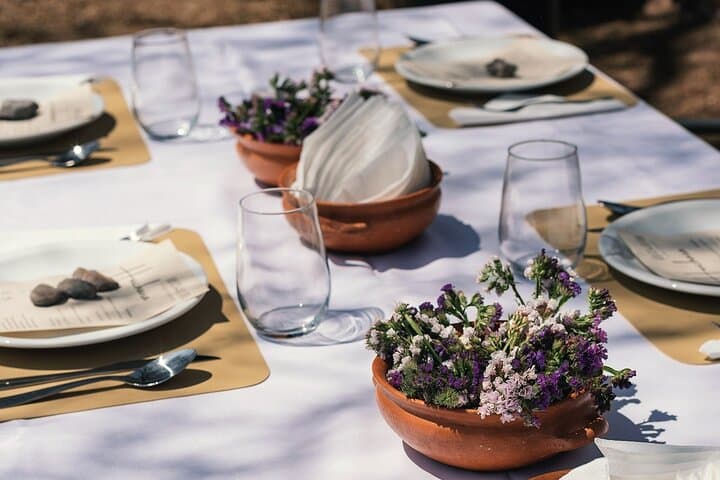
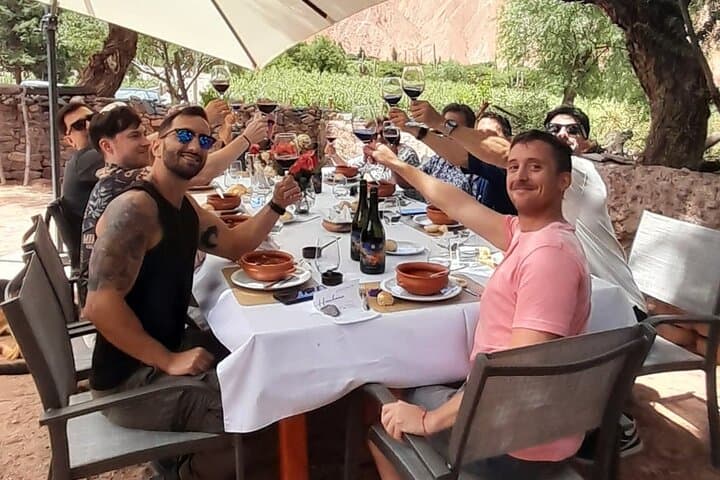
Drive from San Salvador de Jujuy into the high vineyards of the Quebrada de Humahuaca for a day of boutique wineries, a cellar lunch, and views of the Seven Colors Hill. This full-day route pairs terroir-driven tastings with regional history and high-altitude scenery.
Drive from San Salvador de Jujuy into the high vineyards of the Quebrada de Humahuaca for a day of boutique wineries, a cellar lunch, and views of the Seven Colors Hill. This full-day route pairs terroir-driven tastings with regional history and high-altitude scenery.
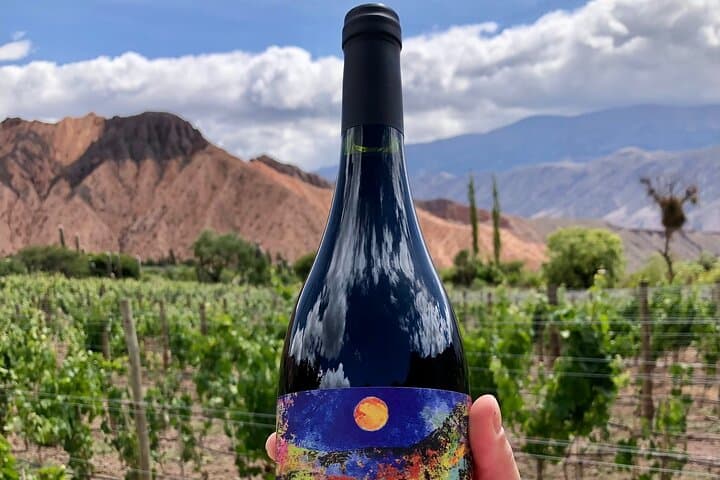
You step out at Belgrano Square at first light, the city’s stone fountain glinting while the van hums toward the north. In a few hours the valley opens and the air thins; vineyards appear like unexpected ribbons on terraced slopes, grapes ripening against a backdrop of painted hills. The route threads past Purmamarca’s Cerro de los Siete Colores and into small, family-run bodegas where the earth—not the cellar—defines flavor.
Verified experiences and guided adventures in the surrounding area.
Operated by Jujuy Conexiones · San Salvador de Jujuy, Jujuy
You step out at Belgrano Square at first light, the city’s stone fountain glinting while the van hums toward the north. In a few hours the valley opens and the air thins; vineyards appear like unexpected ribbons on terraced slopes, grapes ripening against a backdrop of painted hills. The route threads past Purmamarca’s Cerro de los Siete Colores and into small, family-run bodegas where the earth—not the cellar—defines flavor.
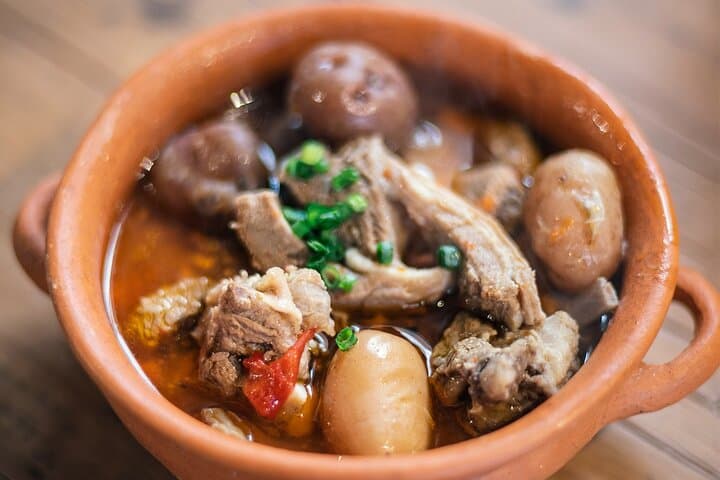
The Quebrada de Humahuaca has been a trade corridor for millennia; pre-Columbian trackways and colonial roads shaped agricultural practice here. Geology explains the show: tilted sedimentary layers stripped by wind and water now expose bands of ochre, rust, and green that feed unique microclimates for high-altitude viticulture. Culturally, local Quechua and Aymara traditions inform food and fermentation techniques—expect lamb casseroles, goat cheeses and simple, robust service.
Practical guidance: this is a full 12-hour day with private transport, guided tastings at several wineries, and a cellar lunch included. Altitude regularly exceeds 2,500 m—pace your tasting, drink water, and plan for strong sun and sudden weather swings. Wear closed, comfortable shoes for vineyard walks and layered clothing for temperature shifts between morning and evening. Cash and small local bills help for artisan purchases; most wineries accept cards but connectivity can be patchy. Timing your visit for late summer–early fall aligns with harvest activity and livelier cellar floors, while spring brings pruning and bright, floral notes in young wines.
Leave space in your schedule to visit nearby archaeological sites or a short hike up a viewpoint—both reward a quieter view of the valley and the human stories that shaped it.
easy.
12 hours.
Light activity; mostly seated transfers with short, flat vineyard walks—suitable for most fitness levels.
Yes—private transportation is included and the tour operates as a round trip from Belgrano Square in San Salvador de Jujuy.
Most wineries offer bottles for purchase; bring a padded bottle bag for travel and check export or airline rules for international shipping.
Walking is minimal—short strolls through vineyards and cellar areas; comfortable shoes are recommended but no long hikes are required.
Yes—guides can adjust the program; non-alcoholic options or reduced pours can be arranged if requested ahead of time.
The Quebrada de Humahuaca is a UNESCO World Heritage corridor, historically a trade and pilgrimage route linking high Andean cultures to lowland markets.
Tourism is concentrated—support small producers, minimize waste, and stay on marked paths to protect fragile high-desert soils and scarce water resources.
Jujuy Conexiones operates guided outdoor trips and adventures with an emphasis on safety, stewardship, and memorable experiences.
You step out at Belgrano Square at first light, the city’s stone fountain glinting while the van hums toward the north. In a few hours the valley opens and the air thins; vineyards appear like unexpected ribbons on terraced slopes, grapes ripening against a backdrop of painted hills. The route threads past Purmamarca’s Cerro de los Siete Colores and into small, family-run bodegas where the earth—not the cellar—defines flavor.
You step out at Belgrano Square at first light, the city’s stone fountain glinting while the van hums toward the north. In a few hours the valley opens and the air thins; vineyards appear like unexpected ribbons on terraced slopes, grapes ripening against a backdrop of painted hills. The route threads past Purmamarca’s Cerro de los Siete Colores and into small, family-run bodegas where the earth—not the cellar—defines flavor.
The Quebrada de Humahuaca has been a trade corridor for millennia; pre-Columbian trackways and colonial roads shaped agricultural practice here. Geology explains the show: tilted sedimentary layers stripped by wind and water now expose bands of ochre, rust, and green that feed unique microclimates for high-altitude viticulture. Culturally, local Quechua and Aymara traditions inform food and fermentation techniques—expect lamb casseroles, goat cheeses and simple, robust service.
Practical guidance: this is a full 12-hour day with private transport, guided tastings at several wineries, and a cellar lunch included. Altitude regularly exceeds 2,500 m—pace your tasting, drink water, and plan for strong sun and sudden weather swings. Wear closed, comfortable shoes for vineyard walks and layered clothing for temperature shifts between morning and evening. Cash and small local bills help for artisan purchases; most wineries accept cards but connectivity can be patchy. Timing your visit for late summer–early fall aligns with harvest activity and livelier cellar floors, while spring brings pruning and bright, floral notes in young wines.
Leave space in your schedule to visit nearby archaeological sites or a short hike up a viewpoint—both reward a quieter view of the valley and the human stories that shaped it.