THE ADVENTURE COLLECTIVE® · Independent discovery and booking for outdoor travel

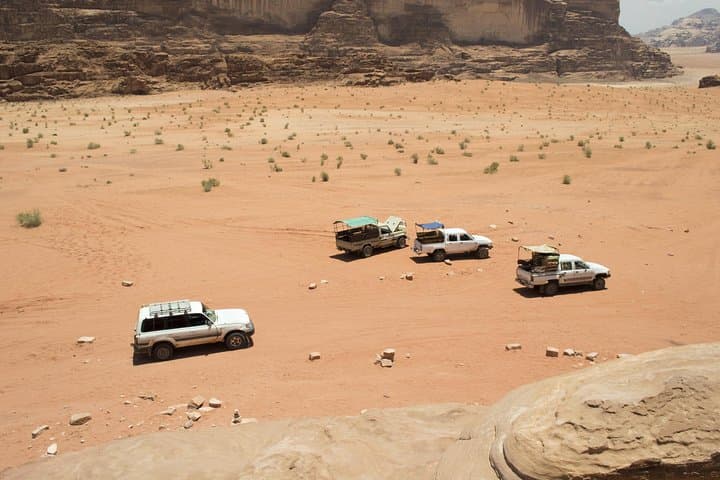
Leave Jerusalem behind for a full day of 4x4 desert driving, archaeological stops at Qumran and Murbaat Caves, and a restorative float in the Dead Sea. This one-day excursion pairs dramatic geology with hands-on relaxation at the planet’s lowest shoreline.
Leave Jerusalem behind for a full day of 4x4 desert driving, archaeological stops at Qumran and Murbaat Caves, and a restorative float in the Dead Sea. This one-day excursion pairs dramatic geology with hands-on relaxation at the planet’s lowest shoreline.
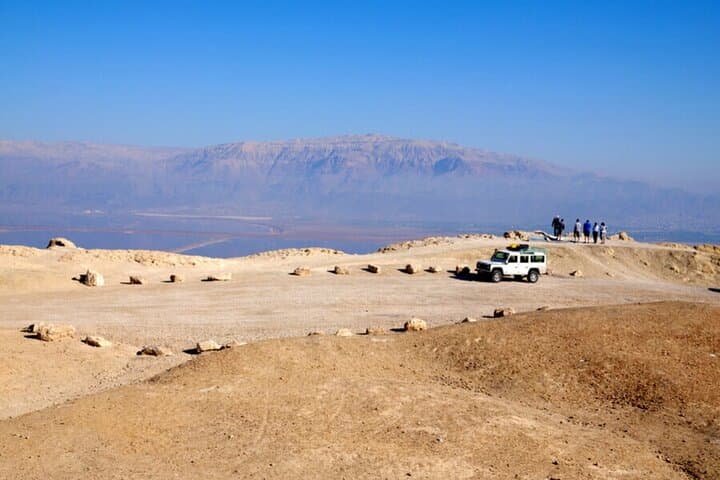
A morning coach pulls away from Jerusalem as the city’s stone facades shrink and the Judean Desert opens like a vast, blunt coastline of sand and rock. Light slashes across steep wadis; wind-sculpted ridges dare you to read their lines. Stops are punctuated: a roadside sea-level sign, the silent terraces above the Dead Sea, and the weathered mouths of caves that once sheltered ancient scribes.
Verified experiences and guided adventures in the surrounding area.
Operated by Bein Harim Ltd · Jerusalem, Jerusalem District
A morning coach pulls away from Jerusalem as the city’s stone facades shrink and the Judean Desert opens like a vast, blunt coastline of sand and rock. Light slashes across steep wadis; wind-sculpted ridges dare you to read their lines. Stops are punctuated: a roadside sea-level sign, the silent terraces above the Dead Sea, and the weathered mouths of caves that once sheltered ancient scribes.
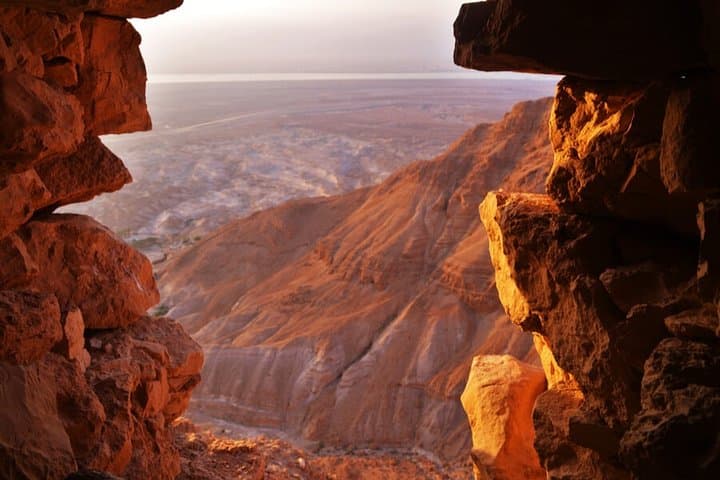
This route threads geology and history. The Qumran Caves—where the Dead Sea Scrolls were found—sit among folded limestone and marl laid down millions of years ago as the Rift Valley opened. Cliff faces such as Metzoke Dragot reveal layers carved by flash floods, while Murbaat’s caverns hold pottery sherds and human traces from caravan eras when traders crossed this margin between highland and salt plain.
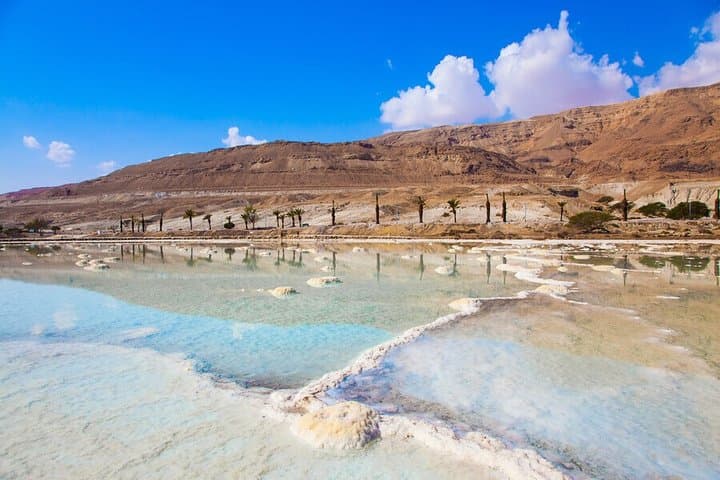
Culturally the day links Biblical landscapes, Bedouin knowledge of water sources, and modern Dead Sea resorts that exploit the lake’s extreme salinity and mineral-rich mud. The Dead Sea itself is the lowest exposed point on Earth; its buoyant water and therapeutic mud are the trip’s finale.
Practical notes: the day is long but low-impact—expect time in an air-conditioned coach, short guided walks, and an extended float at a public beach with basic facilities. Bring passport, plenty of water, sunscreen, a bathing suit, and shoes that can handle rocky approaches. Don’t shave immediately before floating; avoid getting the salt in your eyes; and rinse off in freshwater showers after the mud. Timing your visit for early morning departures or late-afternoon floats helps avoid peak sun and crowds.
easy.
9 hours.
Suitable for most fitness levels; involves short walks on uneven desert terrain and extended time sitting and floating on the Dead Sea.
You float rather than swim because of extreme salinity; it’s safe if you keep your head above water, avoid swallowing, and rinse off in a freshwater shower afterward.
Most public Dead Sea beaches used on tours have basic changing rooms and freshwater showers—check with the operator for exact amenities.
Yes—participants are required to carry a valid passport or a photocopy for pickup and any checkpoints along the route.
This tour is not suitable for children under age four; otherwise it’s family-friendly but expect a long day and limited shade at some stops.
The Qumran complex and nearby caves yielded the Dead Sea Scrolls, linking the cliffs and wadis to Second Temple–era religious communities and trade routes across the desert.
The Dead Sea shore and surrounding desert are ecologically fragile; stick to marked paths, limit single-use plastics, and use provided freshwater to rinse off mud—avoid introducing contaminants to the saline lake.
Bein Harim Ltd operates guided outdoor trips and adventures with an emphasis on safety, stewardship, and memorable experiences.
A morning coach pulls away from Jerusalem as the city’s stone facades shrink and the Judean Desert opens like a vast, blunt coastline of sand and rock. Light slashes across steep wadis; wind-sculpted ridges dare you to read their lines. Stops are punctuated: a roadside sea-level sign, the silent terraces above the Dead Sea, and the weathered mouths of caves that once sheltered ancient scribes.
A morning coach pulls away from Jerusalem as the city’s stone facades shrink and the Judean Desert opens like a vast, blunt coastline of sand and rock. Light slashes across steep wadis; wind-sculpted ridges dare you to read their lines. Stops are punctuated: a roadside sea-level sign, the silent terraces above the Dead Sea, and the weathered mouths of caves that once sheltered ancient scribes.
This route threads geology and history. The Qumran Caves—where the Dead Sea Scrolls were found—sit among folded limestone and marl laid down millions of years ago as the Rift Valley opened. Cliff faces such as Metzoke Dragot reveal layers carved by flash floods, while Murbaat’s caverns hold pottery sherds and human traces from caravan eras when traders crossed this margin between highland and salt plain.
Culturally the day links Biblical landscapes, Bedouin knowledge of water sources, and modern Dead Sea resorts that exploit the lake’s extreme salinity and mineral-rich mud. The Dead Sea itself is the lowest exposed point on Earth; its buoyant water and therapeutic mud are the trip’s finale.
Practical notes: the day is long but low-impact—expect time in an air-conditioned coach, short guided walks, and an extended float at a public beach with basic facilities. Bring passport, plenty of water, sunscreen, a bathing suit, and shoes that can handle rocky approaches. Don’t shave immediately before floating; avoid getting the salt in your eyes; and rinse off in freshwater showers after the mud. Timing your visit for early morning departures or late-afternoon floats helps avoid peak sun and crowds.