THE ADVENTURE COLLECTIVE® · Independent discovery and booking for outdoor travel

Leave the coast and spend a full day driving into the Judean Desert—exploring Qumran, riding a 4x4 across canyons and finishing with a buoyant float in the Dead Sea. This day trip mixes archaeology, geology and a hands-on encounter with one of the earth’s most unusual seas.
Leave the coast and spend a full day driving into the Judean Desert—exploring Qumran, riding a 4x4 across canyons and finishing with a buoyant float in the Dead Sea. This day trip mixes archaeology, geology and a hands-on encounter with one of the earth’s most unusual seas.
Dust kicks up behind a 4x4 as the coach slides out of Tel Aviv and the coastal hum gives way to a quieter light. By midmorning the Judean Desert opens—steep canyons, ochre plateaus and the Dragot Cliffs that drop toward the Dead Sea basin. The landscape feels impatient and alive: wind carves gullies, sun pushes heat down into the valleys, and the salt lake below seems to hold its own gravity.
Verified experiences and guided adventures in the surrounding area.
Operated by Bein Harim Ltd · Qumran / Dead Sea region, Jerusalem District
Dust kicks up behind a 4x4 as the coach slides out of Tel Aviv and the coastal hum gives way to a quieter light. By midmorning the Judean Desert opens—steep canyons, ochre plateaus and the Dragot Cliffs that drop toward the Dead Sea basin. The landscape feels impatient and alive: wind carves gullies, sun pushes heat down into the valleys, and the salt lake below seems to hold its own gravity.
History is literal here. The Qumran caves, where the Dead Sea Scrolls were found, speak to a long human presence shaped by scarcity and trade. Geology explains the show: tectonic sinking created the lowest point on earth and trapped minerals that make the sea impossibly buoyant and the shoreline a crust of salt and mineral-rich mud.
Culturally the area sits at a crossroads—Bedouin history, archaeological sites, and modern Israeli resort services mix with simple desert life. Local guides tend to weave these threads while serving tea and light snacks.
Practical guidance: the trip is a long day—expect roughly 11 hours door-to-door with hotel pickup. Bring your passport for access and wear a bathing suit under quick-dry clothing. The Dead Sea sits about 430 meters below sea level, so air can feel heavier and sun stronger; plan for ample water and shade. Do not shave immediately before floating; avoid swallowing the water; and rinse off thoroughly after a mineral mud treatment. Footwear should be sturdy for short rocky walks; flip-flops are fine for beach time. Aim for early-season or late-afternoon windows to avoid peak desert heat. The experience balances an easy physical profile with vivid desert exposure—part history tour, part natural spa.
easy.
11 hours.
Suitable for most fitness levels; minimal hiking but long periods of sitting and sun exposure
The experience runs about 11 hours, usually including hotel pickup/drop-off, professional guide, entrance fees, a 4x4 segment, snacks and time at the Dead Sea.
This tour is not suitable for children under 4; older children are allowed but should be supervised at the Dead Sea due to water salinity.
Yes—floating is generally safe but avoid swallowing water, keep eyes closed, and leave the water immediately if you feel unwell or have open wounds.
Yes—a valid passport (or photocopy) is essential and should be carried for identification during the trip.
The Qumran caves yielded the Dead Sea Scrolls—manuscripts that reshaped understanding of ancient Judaism and early biblical texts.
The Dead Sea is receding due to regional water diversion and mineral extraction; visitors are encouraged to minimize litter and use marked facilities to reduce erosion.
Bein Harim Ltd operates guided outdoor trips and adventures with an emphasis on safety, stewardship, and memorable experiences.
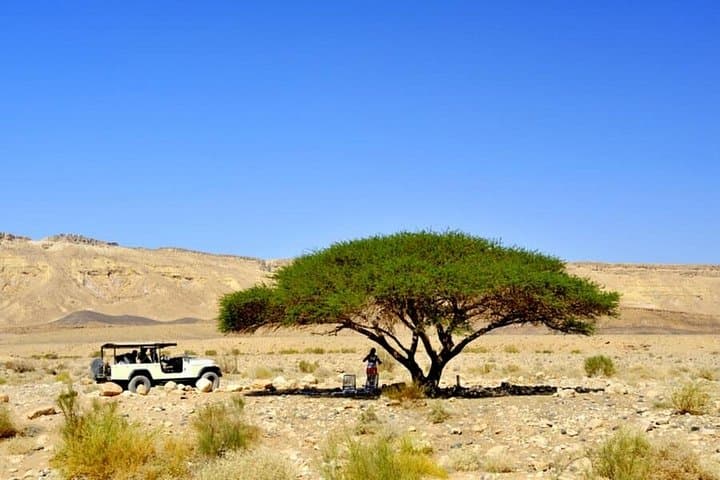
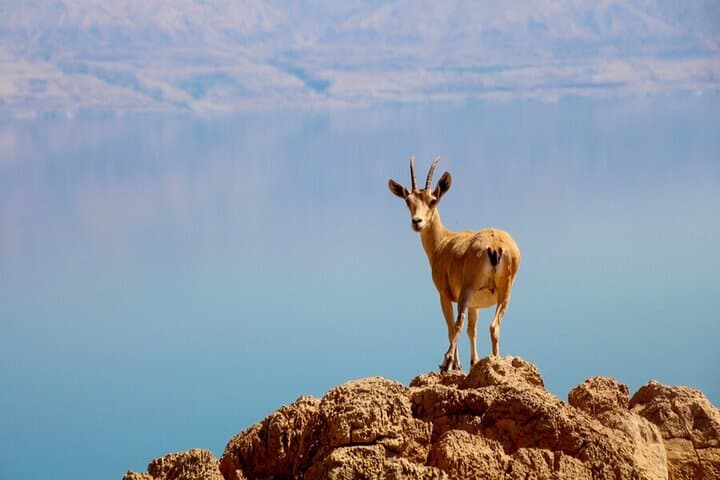
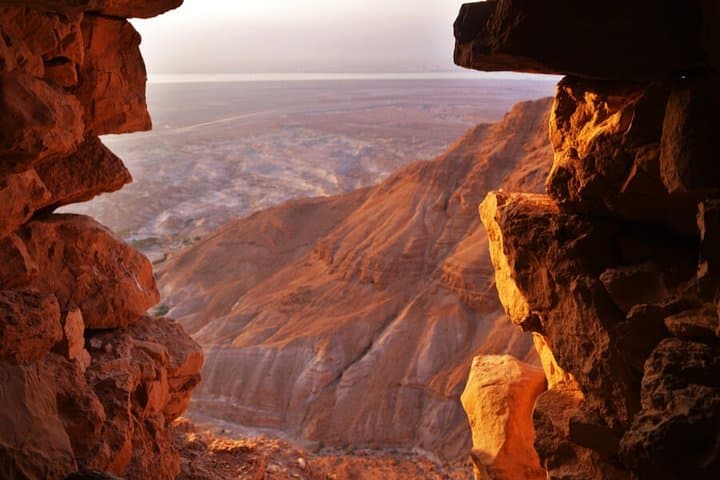
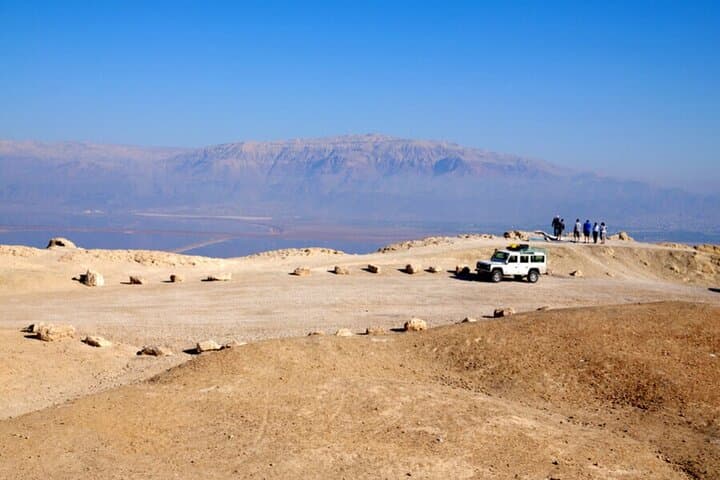
Dust kicks up behind a 4x4 as the coach slides out of Tel Aviv and the coastal hum gives way to a quieter light. By midmorning the Judean Desert opens—steep canyons, ochre plateaus and the Dragot Cliffs that drop toward the Dead Sea basin. The landscape feels impatient and alive: wind carves gullies, sun pushes heat down into the valleys, and the salt lake below seems to hold its own gravity.
Dust kicks up behind a 4x4 as the coach slides out of Tel Aviv and the coastal hum gives way to a quieter light. By midmorning the Judean Desert opens—steep canyons, ochre plateaus and the Dragot Cliffs that drop toward the Dead Sea basin. The landscape feels impatient and alive: wind carves gullies, sun pushes heat down into the valleys, and the salt lake below seems to hold its own gravity.
History is literal here. The Qumran caves, where the Dead Sea Scrolls were found, speak to a long human presence shaped by scarcity and trade. Geology explains the show: tectonic sinking created the lowest point on earth and trapped minerals that make the sea impossibly buoyant and the shoreline a crust of salt and mineral-rich mud.
Culturally the area sits at a crossroads—Bedouin history, archaeological sites, and modern Israeli resort services mix with simple desert life. Local guides tend to weave these threads while serving tea and light snacks.
Practical guidance: the trip is a long day—expect roughly 11 hours door-to-door with hotel pickup. Bring your passport for access and wear a bathing suit under quick-dry clothing. The Dead Sea sits about 430 meters below sea level, so air can feel heavier and sun stronger; plan for ample water and shade. Do not shave immediately before floating; avoid swallowing the water; and rinse off thoroughly after a mineral mud treatment. Footwear should be sturdy for short rocky walks; flip-flops are fine for beach time. Aim for early-season or late-afternoon windows to avoid peak desert heat. The experience balances an easy physical profile with vivid desert exposure—part history tour, part natural spa.